Edith Vanderbilt’s agricultural legacy is one of leadership, preservation, and advancement of farming practices in Western North Carolina. At a pivotal moment in history, she chose to sustain and strengthen a working agricultural system, while expanding its influence through education, innovation, and public engagement.
Her stewardship of Biltmore Estate and her leadership of the North Carolina State Fair helped shape the agricultural landscape of the region, ensuring that agriculture remained both economically viable and culturally valuable.
Induction into the WNC Agricultural Hall of Fame
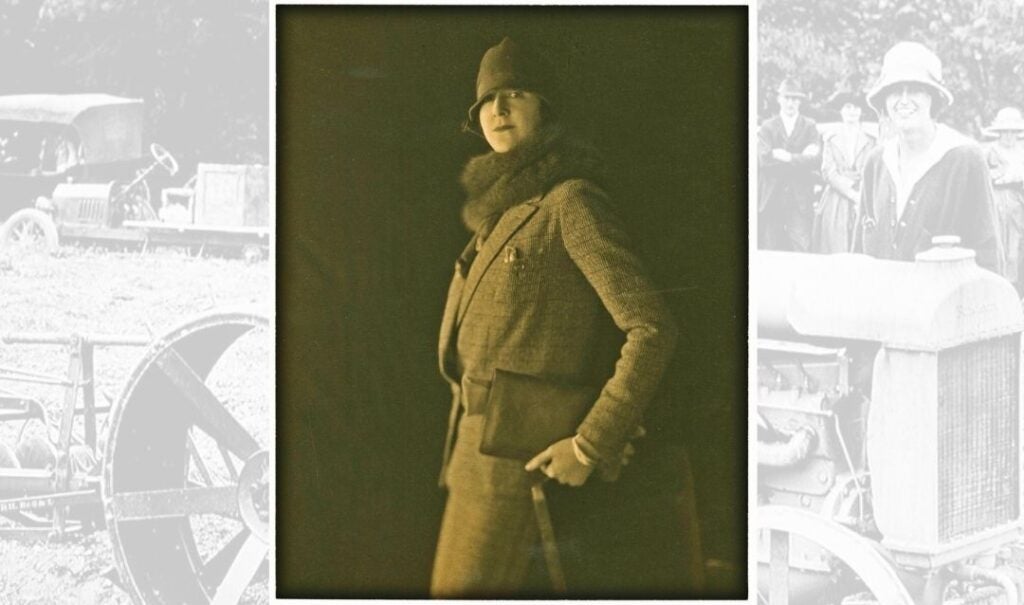
In Spring 2026, Kyle Mayberry, Director of Agriculture for Biltmore, had a meeting at the WNC Agricultural Center. As he walked through the WNC Agricultural Hall of Fame area, he spotted plaques honoring George Vanderbilt, his grandson George Cecil, and Dr. Carl Schenck, Estate Forester, for their agricultural contributions to the region.
“It surprised me to learn that Edith Vanderbilt had never been nominated for the Hall of Fame,” said Kyle. “She was a driving force in the success of agriculture in Western North Carolina, and her achievements in this field are an important part of her legacy.”
Kyle then nominated Edith Vanderbilt for inclusion in the WNC Agricultural Hall of Fame, and she was inducted on August 7, 2026.
Edith Vanderbilt’s agricultural legacy
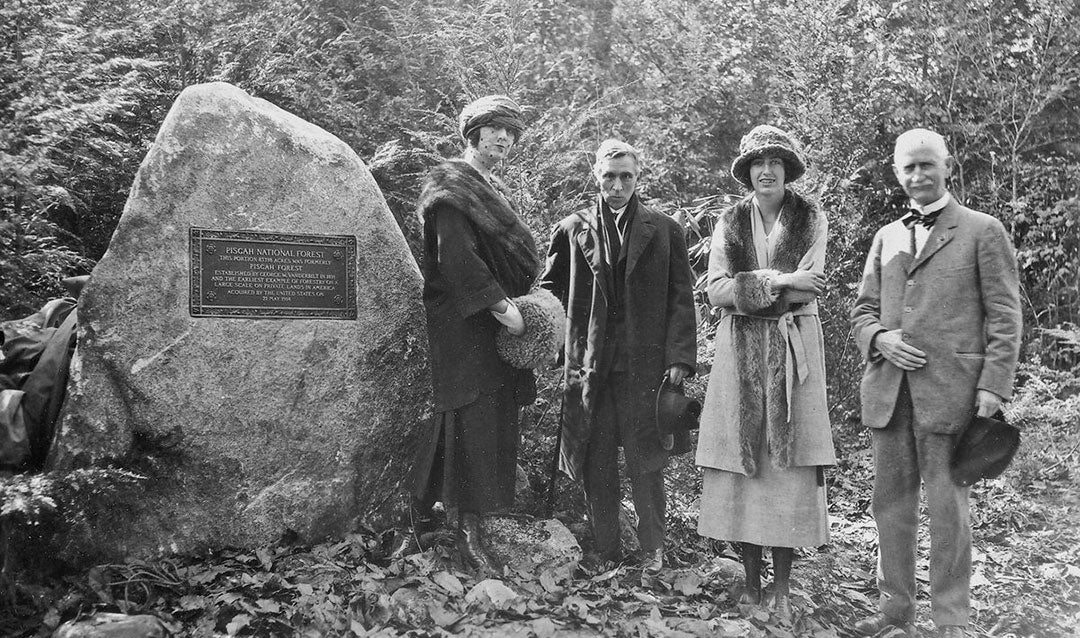
Edith Vanderbilt’s agricultural influence was centered in Western North Carolina, with the Biltmore Estate in Asheville serving as the foundation of her work.
Through her leadership of one of the region’s most significant agricultural operations, as well as her role in statewide agricultural initiatives, her impact extended beyond Buncombe County to influence agricultural practices, education, and public engagement across North Carolina.
Following the unexpected death of her husband George Vanderbilt in 1914, Edith Vanderbilt assumed full responsibility for managing the estate, including its extensive agricultural and forestry operations. While not formally trained in agriculture, she quickly became an active and capable agricultural leader, working closely with estate managers, foresters, and farmers to sustain and advance the estate’s working farm model.
North Carolina Agricultural Society
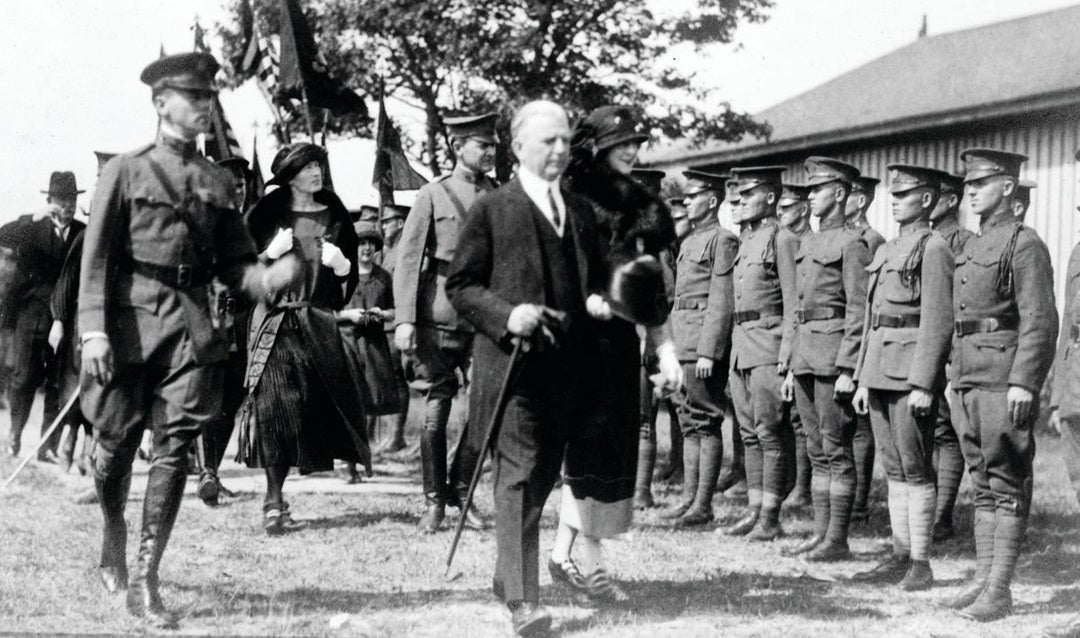
Her leadership extended beyond the estate when, in 1920, she was elected the first female president of the North Carolina Agricultural Society, placing her in charge of overseeing the North Carolina State Fair—one of the most important agricultural institutions in the state.
Edith Vanderbilt’s most significant agricultural contribution was her commitment to preserving and advancing Biltmore as a working agricultural estate during a time when many large estates were being dissolved. Under her leadership, she maintained and strengthened diversified agricultural production, including livestock, crops, and tenant farming systems and actively supported tenant farmers, encouraging productivity and stewardship through hands-on engagement and incentive programs.
She established and expanded the Biltmore Estate Exhibitions, which provided a platform for tenants and workers to showcase crops, livestock, and agricultural skills. These exhibitions included judged competitions, prize incentives, and community participation—serving as an early model of agricultural extension and education.
Modern agricultural technology
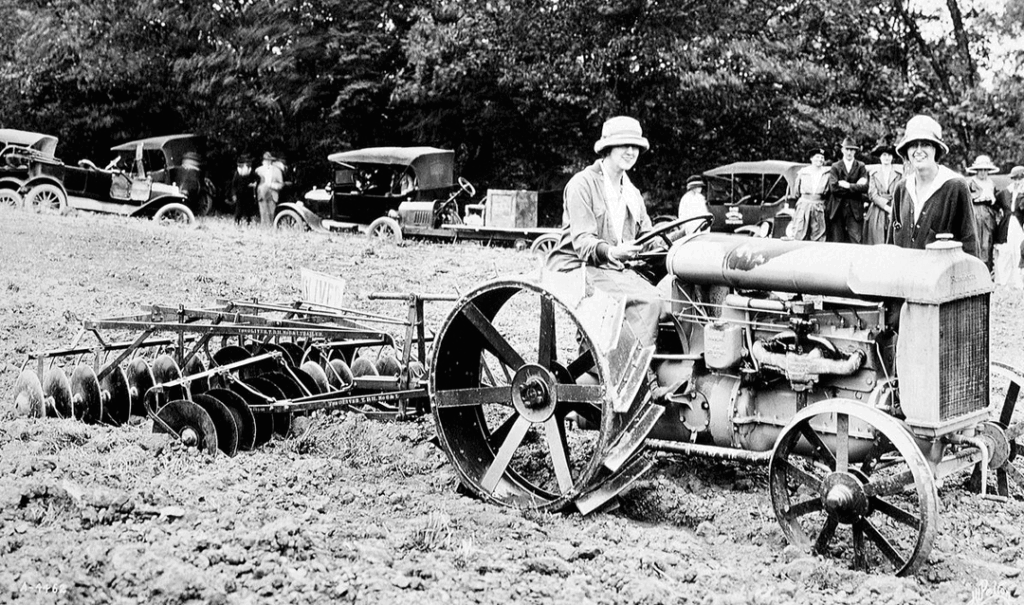
She also promoted the adoption of modern agricultural technology, including participation in early tractor demonstrations and mechanization efforts on the estate. Through these efforts, she created a system that not only produced food and fiber, but also educated, incentivized, and elevated those working within it.
“Among her many other initiatives, Mrs. Vanderbilt established the Biltmore Dairy Moonlight School for adult literacy, finalized the sale of the Pisgah National Forest acreage, created Biltmore Industries as an outlet for local weavers to sell their wool and woven goods, supported farming technology, and revitalized the North Carolina State Fair. Her agricultural legacy is a powerful testament to her commitment to Biltmore and Western North Carolina,” Kyle said.


