Employee spotlights
Un-Herd Facts about Biltmore Agriculture

Posted 8/7/24
Updated 3/19/25
Did you know there’s a wilder side to Biltmore Estate—one that has served as the foundation of our farming heritage since the beginning?
We caught up with Kyle Mayberry, Director of Agriculture, and Kimber Jones, Environmental Programs Coordinator, to fill us in on some fascinating facts about Biltmore’s agricultural programs.
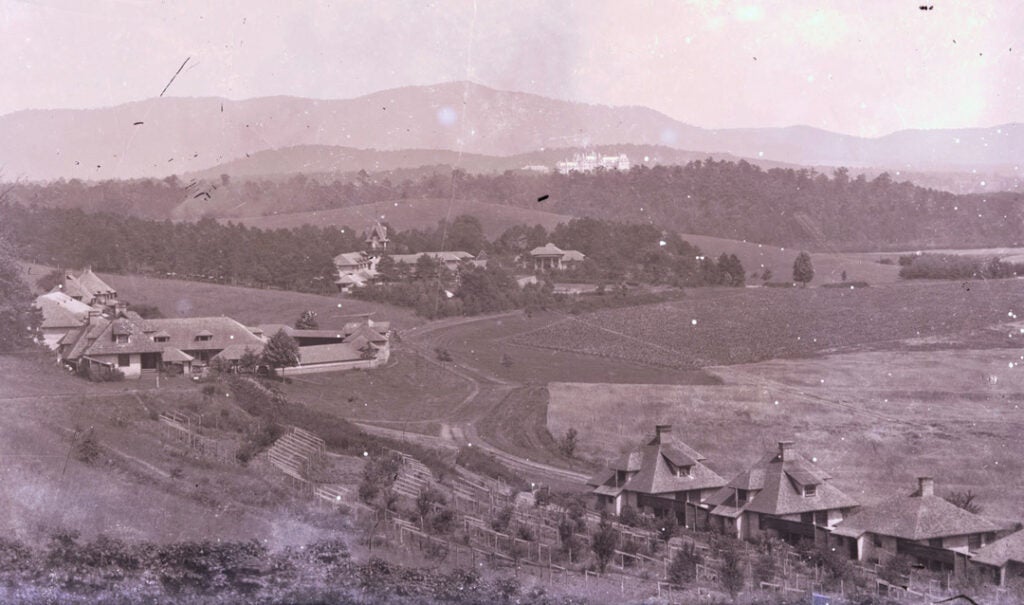
1. We are deeply rooted in history
“In 1889, George Vanderbilt and Frederick Law Olmsted, the estate’s landscape architect, shared a vision of blending agriculture with sustainability and innovation,” said Kimber Jones. “They wanted to supply Biltmore Estate with a bounty of meats, poultry, fruits, vegetables, and dairy products while pioneering new farming techniques that would serve as a model for the region.”
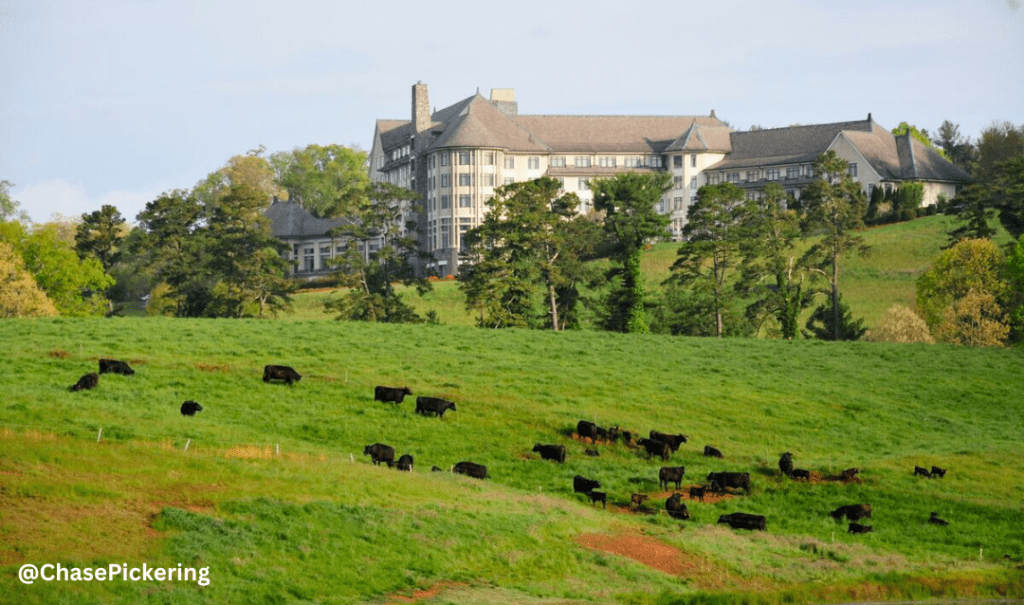
2. We farm a lot of land
- Biltmore Estate spans 8,000 acres in the Blue Ridge Mountains near Asheville, NC.
- 2,500 acres are devoted to farmland, vineyards, pastures, cropland, and greenhouses.
- 75 acres are dedicated to vineyards producing award-winning wines.
- 6,000 acres are managed forests.
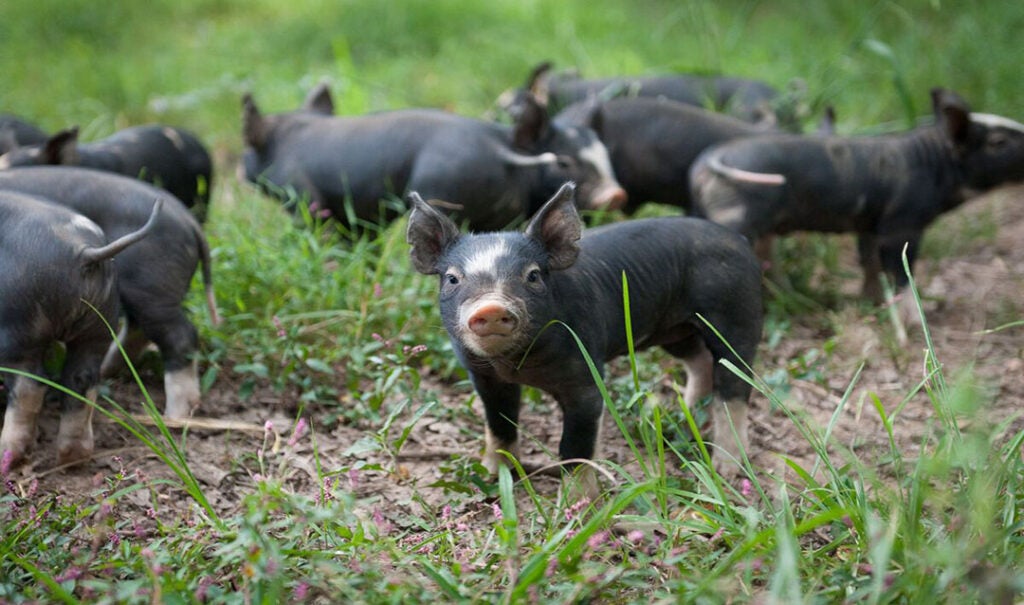
3. We raise diverse livestock
- 500–700 Black Angus cattle roam the grounds. 20 are bulls.
- About 125 calves are born each spring and fall to 300 mama cows.
- 120–200 Berkshire hogs contribute to the estate’s sustainable agriculture program.
- There are 150–200 Dorper sheep on the property.
- 41 goats maintain our grounds as grazers.
- 500 chickens supply 1,200 fresh eggs weekly.
- 2 Jersey cows and their calves are direct descendants of George’s original prized dairy herd.
- Biltmore Dairy was the most successful enterprise on the estate, providing a financial cushion that paved the way for future innovation.
- To help protect our livestock, we have five Great Pyrenees dogs.
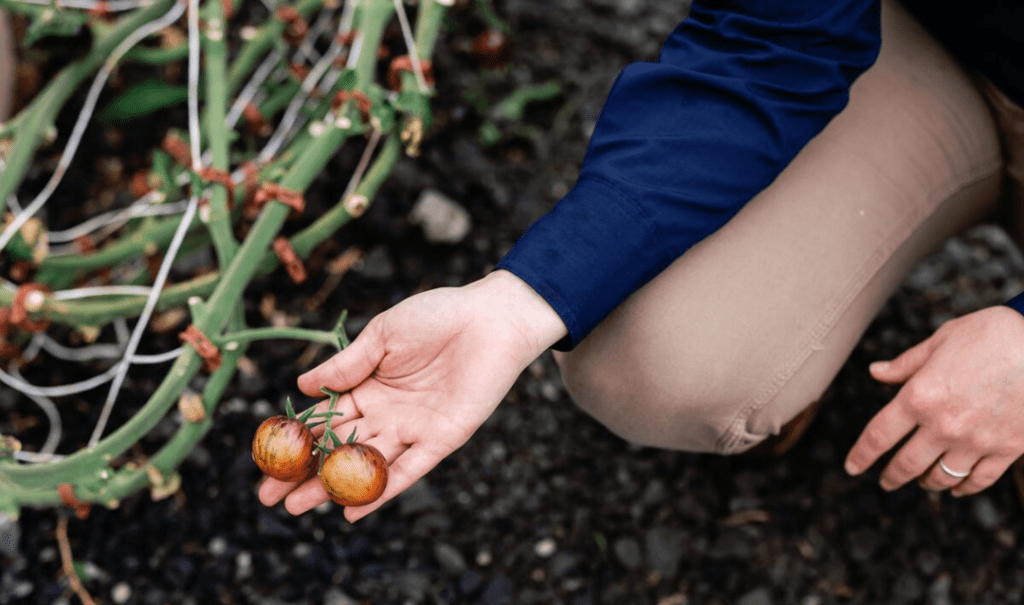
4. We mean it when we say farm-to-table
- Our farm-to-table philosophy is more than a trend—it’s a way of life.
- 6 estate restaurants showcase the bounty of our endeavors with menus that feature meat and produce raised and harvested on-site.
- Biltmore® Grown ingredients are sourced directly from our fields, gardens, and greenhouses.
- 100% of hamburgers served on the estate are estate-raised meats.
- Bistro’s dry-aged beef ribeye and tenderloin is aged for 35 days or more.
- 8,000 square feet of controlled hydroponics space is dedicated exclusively to growing various artisan lettuces, specialty greens, herbs, edible flowers, and heirloom tomatoes.
- Each week about 1,000 heads of lettuce is harvested for our restaurants.
- Our “buy local” program boosts small-scale farming and reduces carbon footprints by partnering with local farmers and food producers to source the highest quality ingredients for our restaurants.
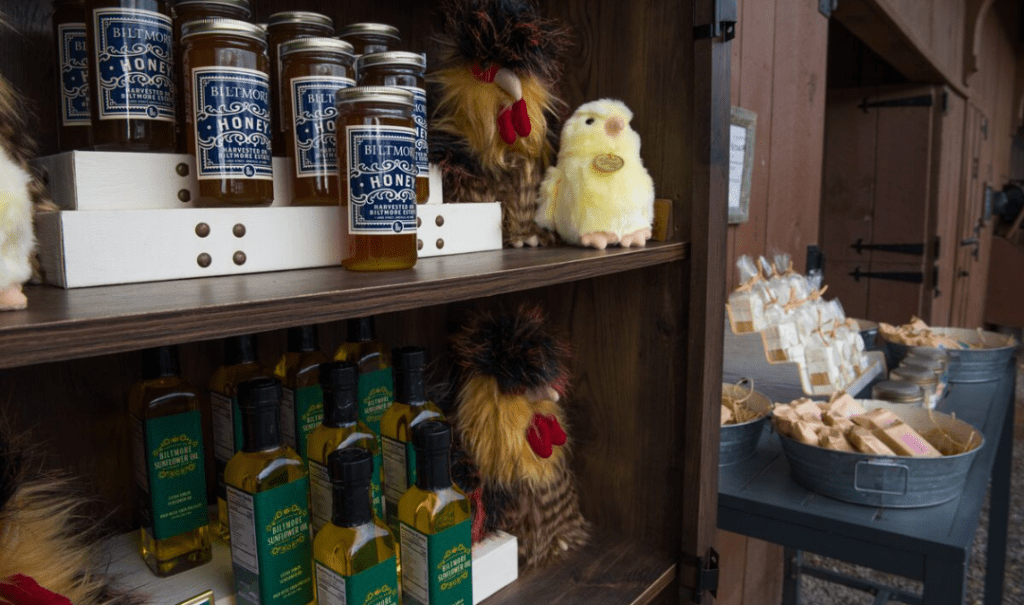
5. We have many specialty products
- Our diverse portfolio of Biltmore wines at the Winery are handcrafted from grapes grown on the estate.
- Honey is harvested from 100 beehives on the estate, tended by Eddie Buchanan, a fifth-generation beekeeper.
- Sunflower oil is pressed from some of the nearly 150,000 sunflowers grown on the estate.
- Our goats are more than grazers, they provide us with the milk needed to create handmade soaps.
- 30,000 pounds of white corn are harvested to produce grits and cornmeal and an even larger volume of corn silage is used to feed our cattle during the winter.
- 400 bushels of barley are malted and used in Cedric’s ale.
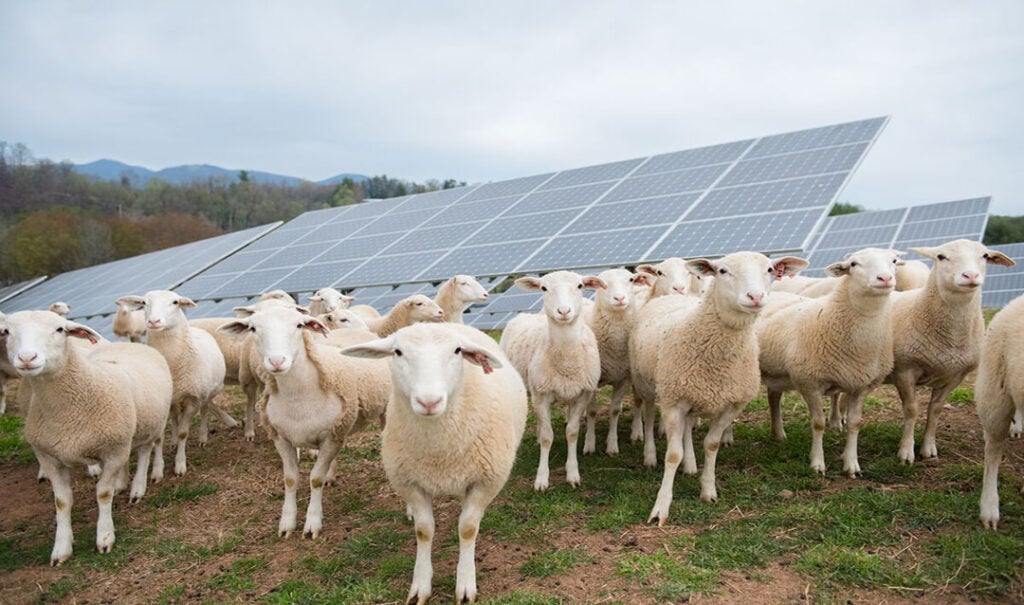
6. We practice sustainable agriculture
- Rotational grazing of livestock maintains our soil health and prevents erosion.
- A 4-year cycle of crop rotation enhances soil fertility and reduces synthetic fertilizer use.
- Our state-of-the-art composting facility transforms up to 1.7 million pounds of organic waste annually.
- Milkweed is planted to support pollinator populations, to foster biodiversity and ecological resilience.
- Biltmore is a certified Monarch Butterfly Waystation.
- We partner with Widget Co., a parent company of Cork Club to recycle used corks as part of our sustainability mission.
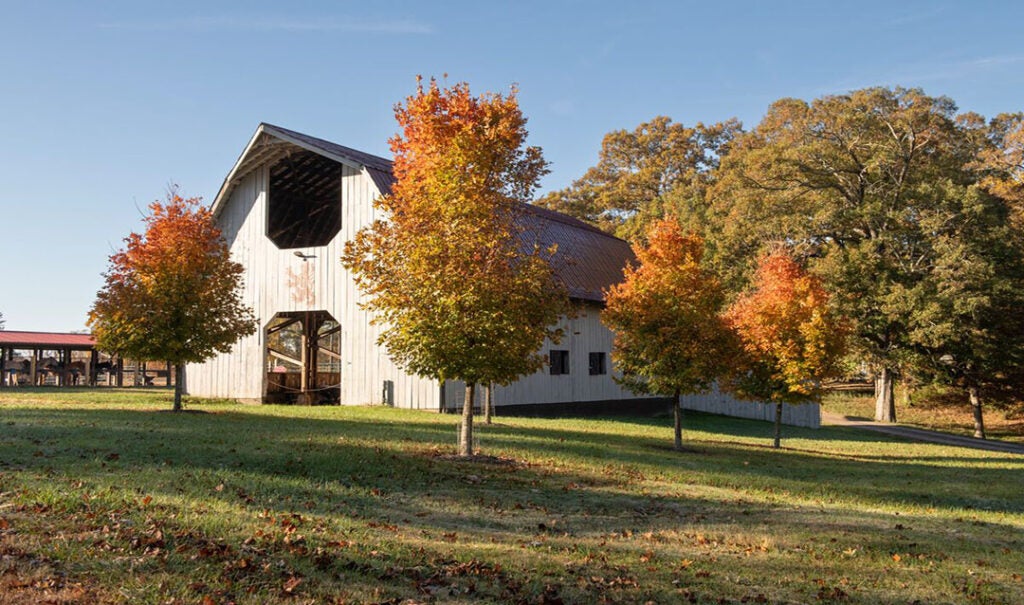
7. We are a national historic landmark
- 52 historic farm buildings, including barns, stables, dairy facilities, and icehouses, contribute to our National Historic Landmark status.
- 33 farm buildings are considered Non-Contributing, but all reflect the era in which they were built and the agricultural practices that sustained Biltmore throughout history.
- 17 of these 33 farm buildings are over 50 years old and may qualify as contributing buildings in the future.
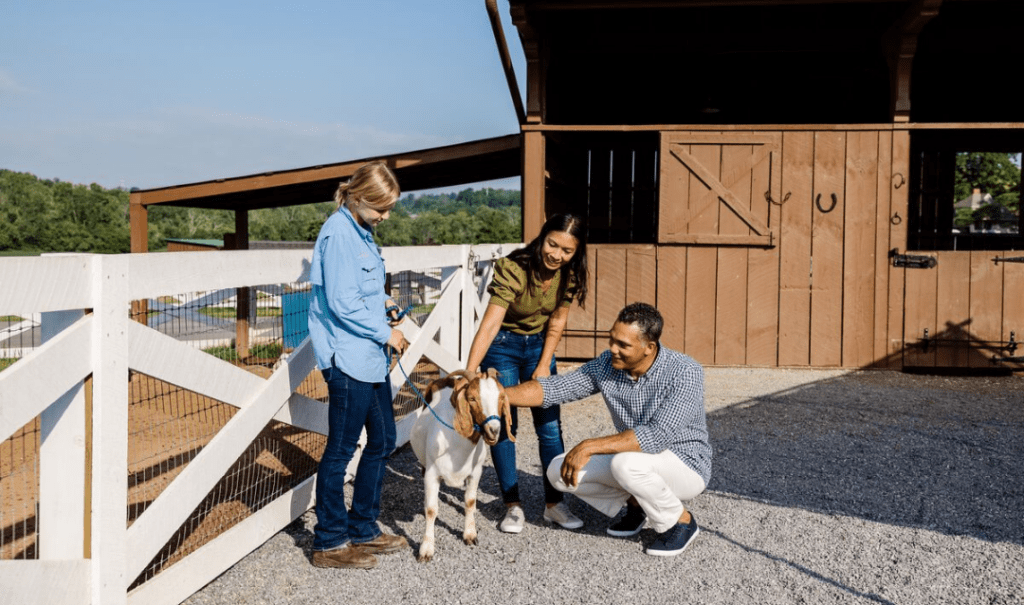
8. We value educational opportunities
“Guests visiting the estate can take a deeper look into our agricultural history at Antler Hill Barn, where you can watch demonstrations, meet friendly farm animals, and participate in hands-on activities at the Farmyard in Antler Hill Village,” Kyle Mayberry said. “Our Farm to Table Tour & Taste offers visitors a unique look into the rarely-seen west side of the estate’s farming practices, from vineyard management and animal husbandry to composting and greenhouse cultivation.”
By sharing our agricultural expertise and resources, we hope to encourage a deeper appreciation for the connection between food, land, and community.


