A picnic while visiting Biltmore is a great way to enjoy the pastoral views of the historic estate’s sprawling gardens and grounds, similar to the Vanderbilts and their guests over a century ago.
Make the most of your next picnic with these expert tips plus estate chef recipes for a Vanderbilt-inspired picnic complete with Biltmore wine pairings.
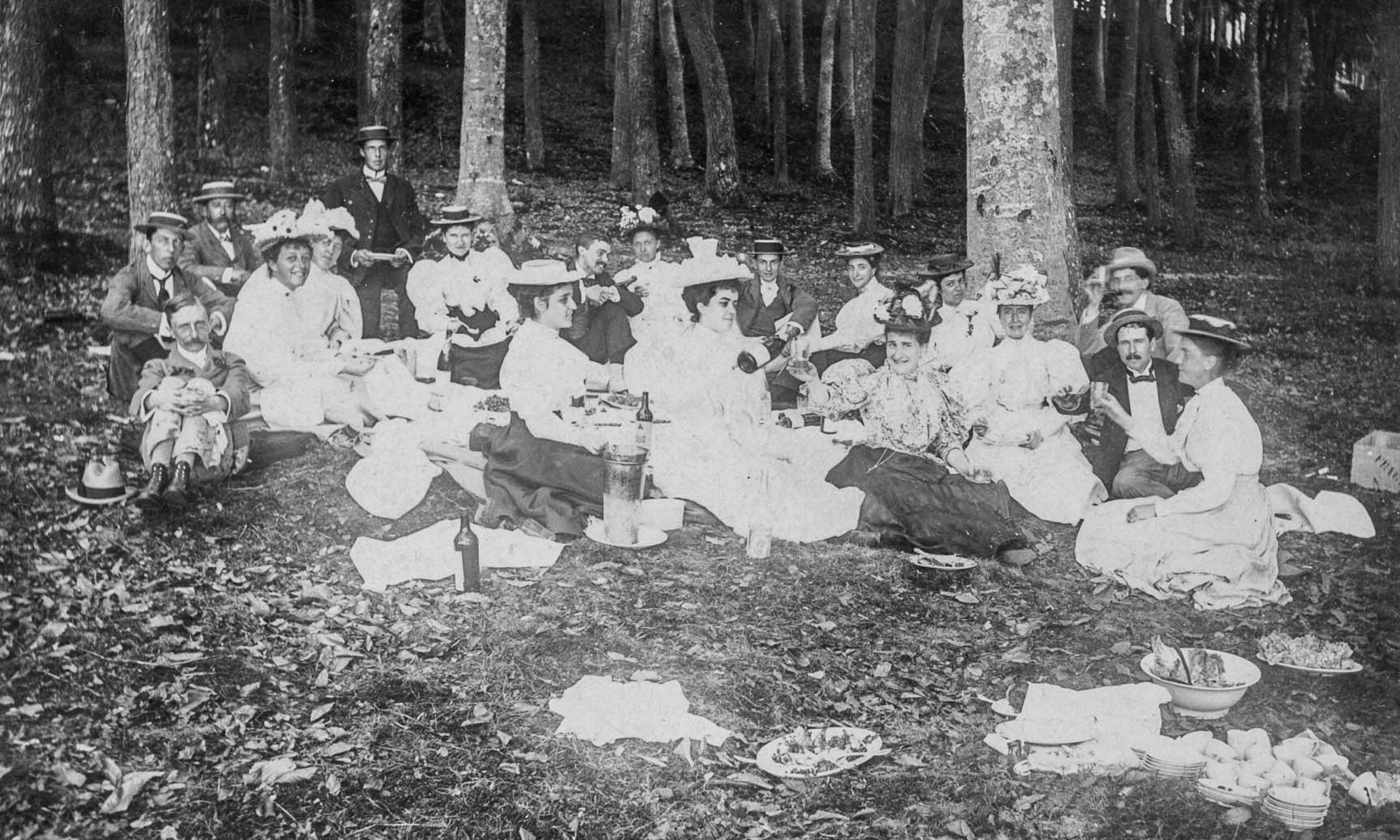
Pauline Dresser, Edith Vanderbilt’s sister, attending a summer picnic in Langrolay-sur-Rance, France, 1895.
Picnicking with the Vanderbilts
During the Victorian era, picnics were often elaborate, and creating a suitably “rustic” ambiance might require more effort than a formal banquet. Hampers full of special delicacies were carried to remote outdoor locations along with a bewildering array of china and glassware, chairs, cushions, ground covers, tents, sunshades, games, and amusements—plus all the children, pets, and any guests who happened to be visiting.
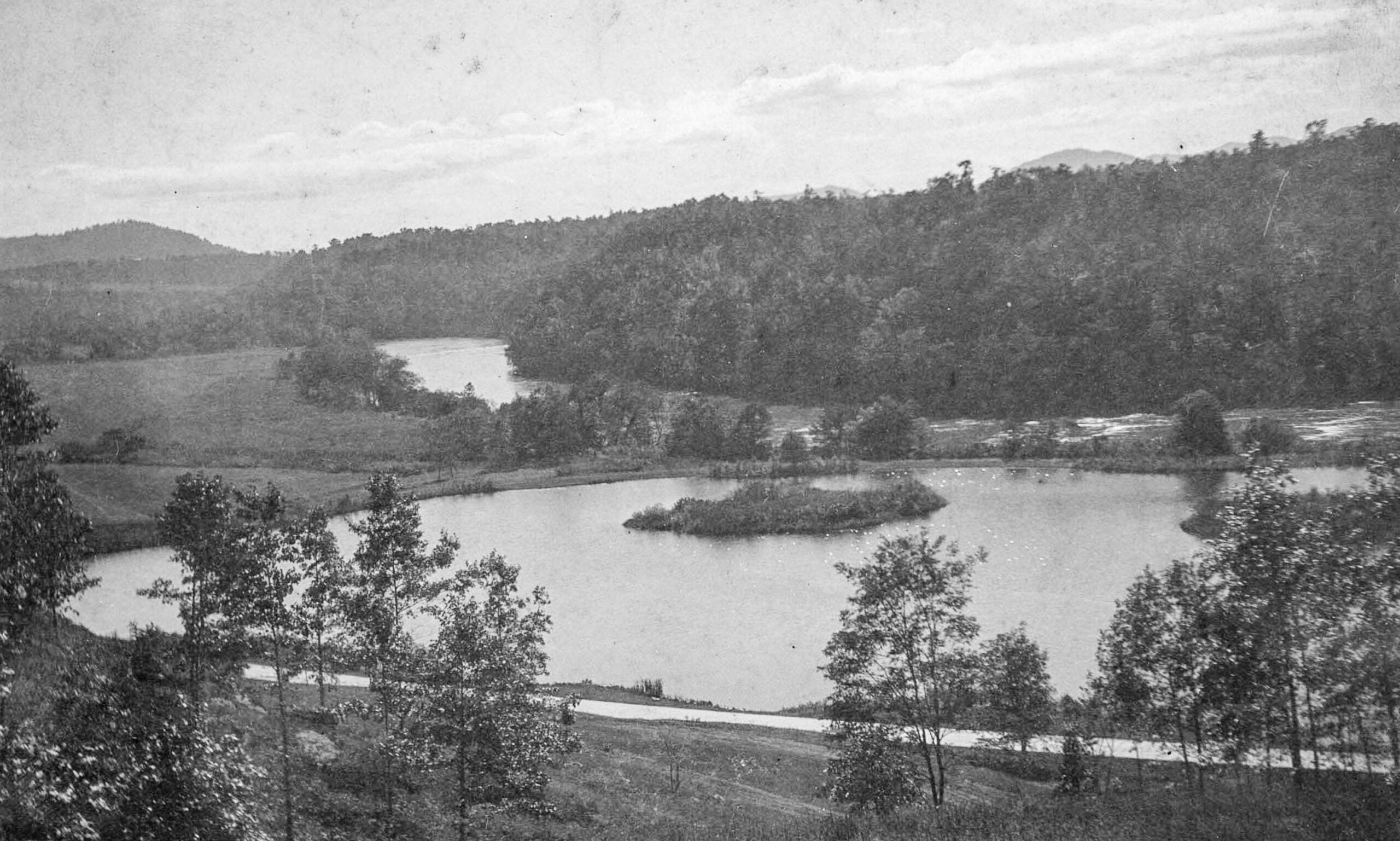
Picnic Island in the Lagoon on Biltmore Estate, circa 1900.
On Biltmore Estate, the Vanderbilt family enjoyed picnics at a special location known as “Picnic Island,” which you can see situated in the Lagoon. At Edith Vanderbilt’s request, a swinging bridge (no longer there) was added for easy access to Picnic Island and estate rangers ensured there was no poison ivy growing there—a task modern picnickers know all too well!
We also know that Mrs. Vanderbilt planned a picnic in May of 1915 on nearby Busbee Mountain, and we have multiple picnic baskets, metal serveware, and food canisters included in our archival collection.
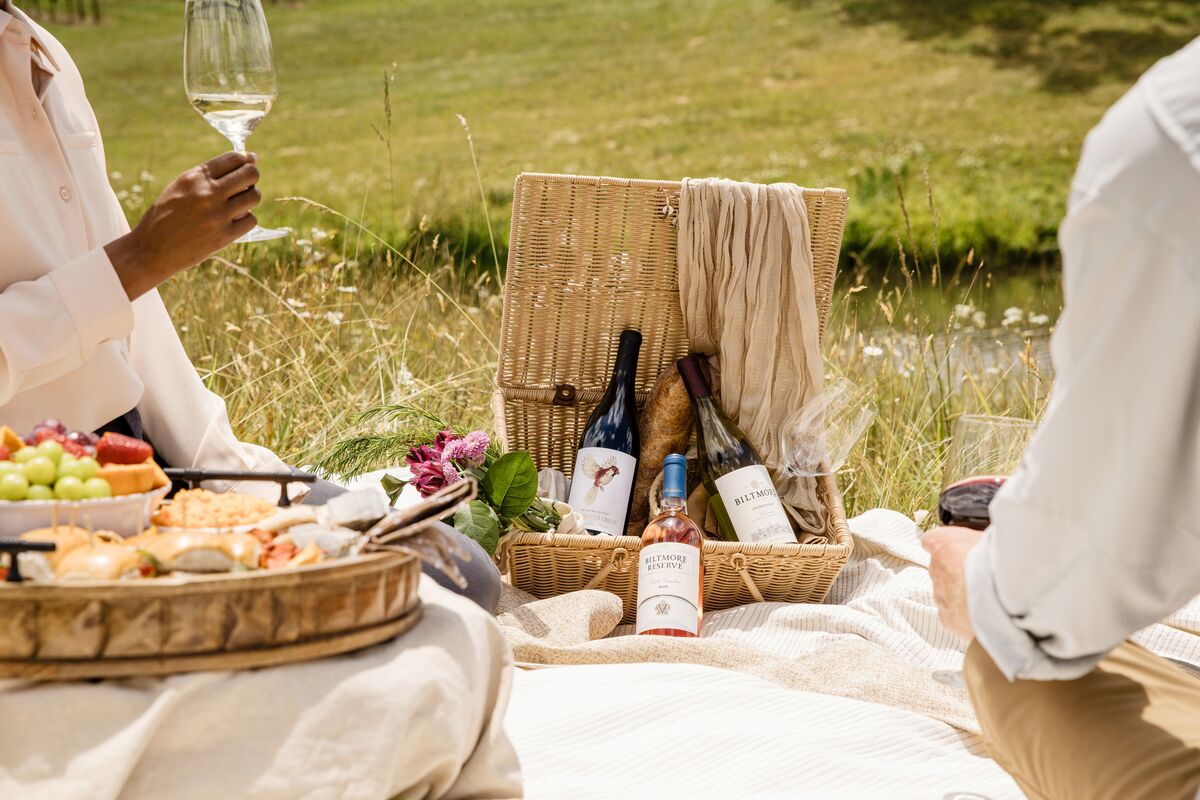
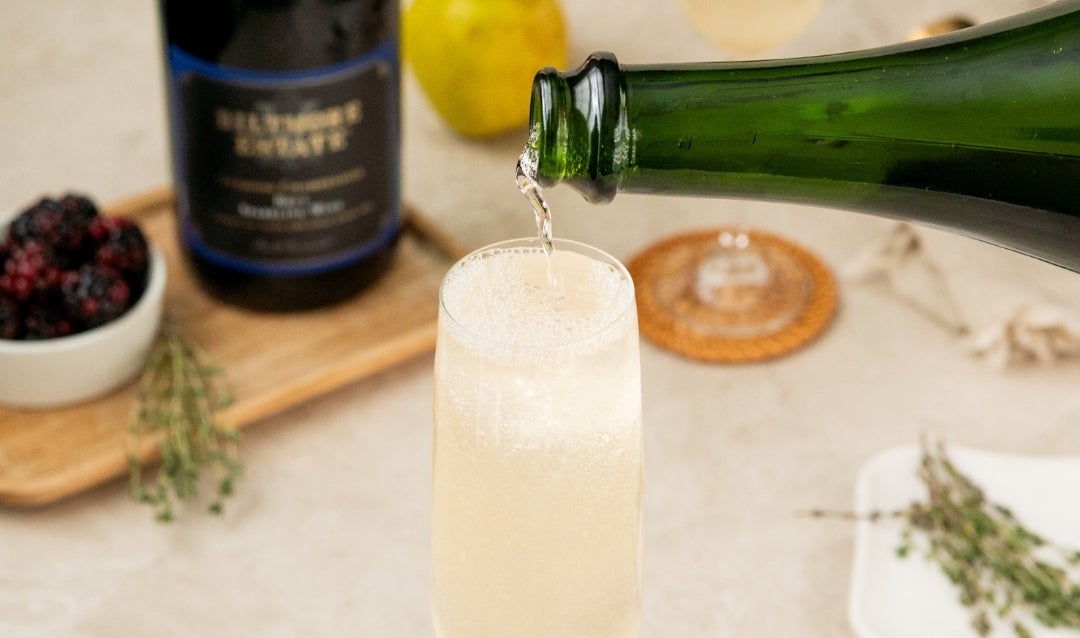
Be sure to pack Biltmore Wines for your next picnic!
Try these modern-day Biltmore picnic tips:
Thank goodness today’s picnics are much simpler! By keeping everything quick and easy, you can enjoy the entire experience from start to finish—even without chairs and fine china. Here are a few tips from our estate experts:
- Location, location, location: Choose from multiple designated picnic areas on the estate that offer a scenic view to take in nature’s beauty for your next picnic at Biltmore!
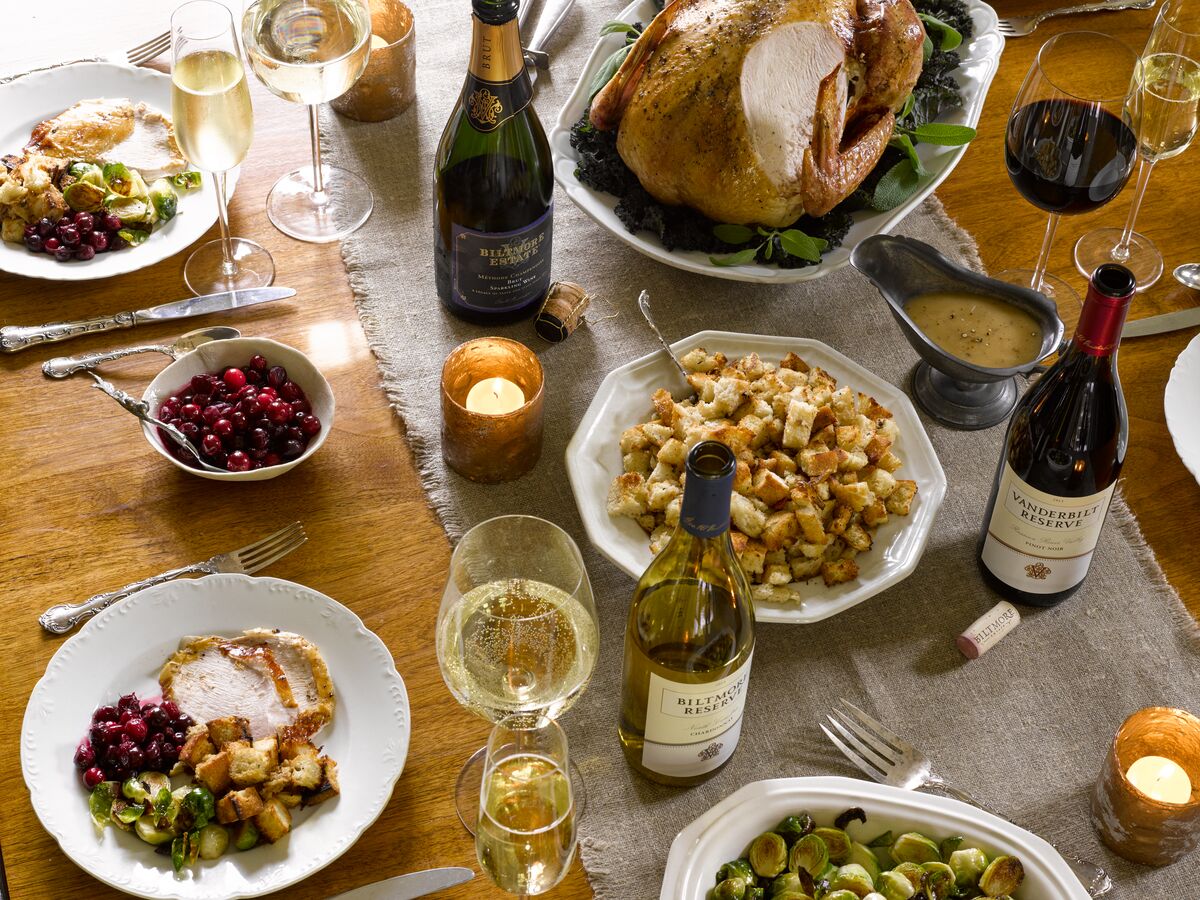
- Pack the perfect pairings: Slice a loaf of fresh bread and your favorite cheese into wedges (eliminates the need for utensils), then pair it with finger-friendly foods such as olives, nuts, and fresh veggies or fruit for a little extra texture. We recommend a refreshing white wine to pair with goat cheeses, or The Hunt Sonoma County Red Blend with rich, aged cheese. A chilled sparkling wine like our Pas de Deux® Sec or Biltmore Estate® Brut makes any occasion special—and won’t leave a stain if spilled on cloth.
- Set the scene: A few small touches, such as fresh flowers or a favorite quilt or fleece blanket as a picnic cloth, can go a long way toward elevating your picnic experience.
- Keep it convenient: Make a variety of sandwiches and mouthwatering gourmet dips the night before. That way, you can be ready to picnic the next day with no prep. Sandwiches also mean you don’t have to bring many separate items—everything’s already combined into a tasty package. Grab-and-go snacks or light bites from an estate restaurant or shop are also a great option for a memorable picnic at Biltmore without the fuss.
(Please note: Guests with estate admission, an overnight stay, or an Annual Pass are permitted to picnic on Biltmore Estate. If picnicking on the estate, outside food is only permitted in designated areas. Outside alcohol and tailgating—including the use of tents, grills, multiple camping chairs/tables, and large coolers—are not permitted anywhere on estate grounds.)
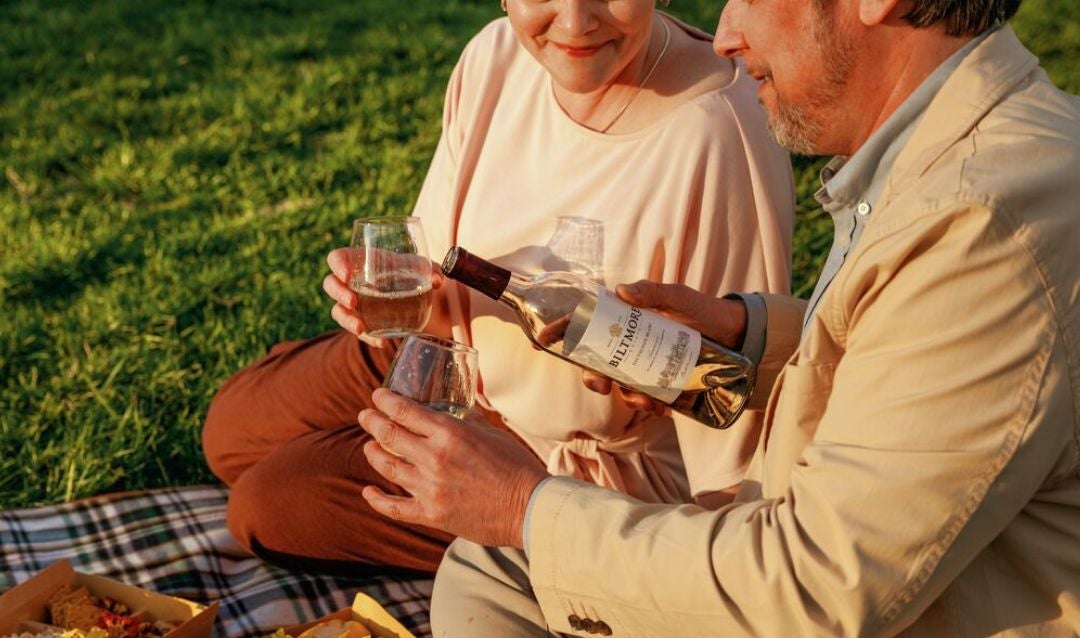
Experience chef-prepared sunset picnics during Luminere, available on select evenings March 26 through Oct 18, 2026.
Plan a romantic sunset picnic during Luminere
For the ultimate date night, we recommend planning a sunset picnic on Biltmore’s front lawn as you await “showtime” during Luminere evenings. It’s the perfect blend of relaxation, quality time, and discovery as the sun sets and Biltmore’s gardens come alive with color lights and dreamy music. Whether you pre-order a picnic crafted by our estate chefs or enjoy snackable grab-and-go options from estate restaurants, you’ll set the scene for a cozy meal with your sweetheart.
Pre-order a chef-prepared picnic (look for “reserve online” below each picnic option) for your sweetheart or savor grab-and-go options from restaurants in the Stable Courtyard or Walled Garden areas. NOTE: During Luminere evenings, NO outside food or beverage is allowed in the house and gardens area. No outside alcohol is ever allowed at Biltmore.

A picnic is a picturesque way to enjoy the great outdoors throughout the seasons on Biltmore Estate. 📸 by @camrynglackin
Try these Biltmore-inspired picnic recipes:
Whether you are taking in the views at Biltmore or relaxing at your local park, here are a few recipes and wine pairings our estate experts recommend for enjoying your next picnic Vanderbilt-style.
Holiday Bacon Deviled Eggs
Pair with: Biltmore Estate® Dry Rosé
Serves 24
Ingredients:
- 12 hard-boiled eggs
- 1/2 cup mayonnaise
- 4 bacon strips, cooked and crumbled
- 2 tablespoons finely shredded Cheddar cheese
- 1 tablespoon Dijon mustard
- 1/4 teaspoon pepper
Method:
- Slice eggs in half lengthwise; remove yolks and set whites aside.
- In a small bowl, mash yolks. Stir in the mayonnaise, bacon, cheese, mustard, and pepper.
- Pipe into egg whites.
- Refrigerate or keep cool until serving.
Harvest Turkey Sandwich with Blackberry-Whole Grain Mustard
Pair with: Biltmore Estate® Cardinal’s Crest®
Yields one sandwich.
Ingredients:
- 2 slices of focaccia bread, toasted
- Small handful of fresh baby arugula
- 2 slices of cooked bacon
- 2 oz of sliced brie
- 5 oz of smoked turkey, thinly sliced
- Blackberry-Whole Grain Mustard*
Blackberry-Whole Grain Mustard Ingredients:
- 3 fresh blackberries
- 1/2 oz Whole Grained Mustard
Method:
- Prepare the mustard by mashing the berries and mix with mustard and set aside.
- Toast the focaccia, spread the mustard on the top portion of the bread after it is toasted, place the turkey on the bottom, then the sliced brie and add the bacon and arugula and lastly place the top of the focaccia and serve.
Herb Marinated Grilled Vegetables
Pair with: Biltmore Estate® Sauvignon Blanc
Yields about 6 servings
Ingredients:
- 2 zucchini, sliced 1/4 inch thick
- 2 yellow squash, sliced 1/4 inch thick
- 2 portabella mushrooms, remove gills
- 1 red bell pepper, seeds and stem removed, cut in 6 pieces
- 1 bunch asparagus, remove bottom two inches and discard
- 1 red onion, sliced 1/4 inch thick
- 1 vine-ripe tomato, sliced 1/4 inch thick
- 2 garlic cloves, minced
- 6 oz olive oil
- 1/2 bunch flat leaf parsley, chopped
- 2 sprigs rosemary, chopped
- 6 sprigs fresh thyme, chopped
- Salt and pepper to taste
Method:
- Place oil, garlic, and herbs in a large mixing bowl and stir together. Add all remaining vegetables to bowl except portabellas. Toss vegetables with oil mixture.
- On a separate plate, rub the portabella with some of the oil mixture on both sides of it.
- Let vegetables marinate for 10–15 minutes at room temperature. Drain any excess oil off of the vegetables and grill each piece for 1–2 minutes on each side. If the grill flares up, remove more oil from the vegetables. Place vegetables on a platter. Can be served hot or chilled.
Smoked Mozzarella and Gemelli Salad
Pair with: Vanderbilt Reserve® Dry Creek Valley Merlot
Yields 8-10 servings
Ingredients:
- 3/4 pound Smoked Mozzarella, large diced
- 3/4 cup Parmesan Cheese – grated
- 1 pound Gemelli pasta
- 1/2 cup spinach, julienne
- 1 large red bell peppers, julienne
- 3/4 cup mayonnaise
- 1/4 cup red wine vinegar
- 1/4 cup parsley, chopped
- 1/2 cup red onion, small dice
- 1 tablespoon +2 teaspoon garlic, minced
- 1/4 cup sour cream
- 1 1/2 teaspoon black pepper
- 1 teaspoon lemon juice
- 1 tablespoon honey
- 1/8 teaspoon Tabasco
- 1 teaspoon kosher salt
Method:
- In a large pot of boiling, salted water, cook pasta until just tender to the bite. Drain and shock in ice water. Drain again thoroughly and place in large mixing bowl. Add smoked mozzarella, parmesan, spinach, red peppers, red onion, and parsley.
- In a separate bowl, assemble dressing by adding mayonnaise, sour cream, garlic, red wine vinegar, honey, lemon juice, Tabasco, black pepper, and salt. Whisk together.
- Add dressing to pasta mix and toss together gently, using a rubber spatula. Refrigerate until needed.
Mudslide Cookies
Pair with: Biltmore Estate Blanc de Noir
Yields 1 dozen large cookies or 4 dozen small cookies
Ingredients:
- 8 oz. chocolate, unsweetened
- 1 pound, 8 oz. chocolate, bittersweet
- 4 oz. butter
- 8 each eggs
- 1 pound, 8 oz. sugar
- 1 tablespoon vanilla extract
- 4 oz. cake flour
- 2 1/4 teaspoon baking powder
- 3/4 teaspoon salt
- 1 pound, 12 oz. chocolate chips
- 8 oz. walnuts
Method:
- Melt the chocolates and butter together. Beat together the eggs, sugar, and vanilla.
- Add the chocolate mixture to the egg mixture. Add the flour, baking powder, and salt. Add the chocolate chips and walnuts. Dough will firm as it sits.
- Scoop and bake at 325 F for 10–14 minutes.