Chihuly at Biltmore was on display from May 17 to October 7, 2018.
Please enjoy this archived content.
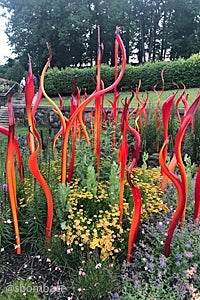
Chihuly at Biltmore—the first art exhibition in Biltmore’s historic gardens and the first garden exhibition of Dale Chihuly’s works in North Carolina—showcases large-scale glass sculptures throughout the Italian Garden and grounds of America’s Largest Home®.
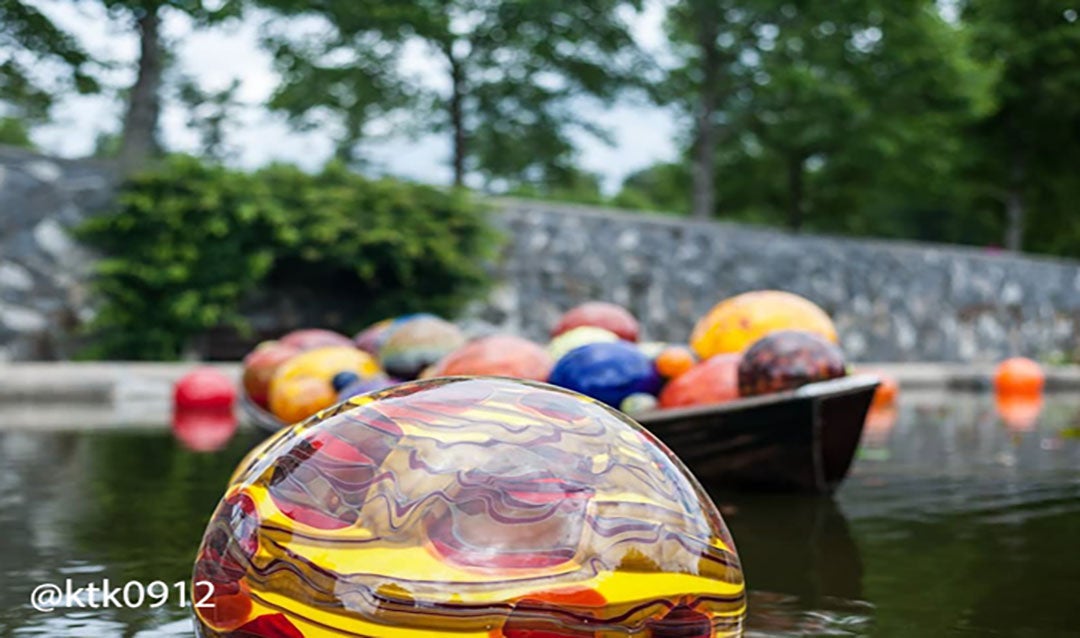
One of the must-see displays of this exciting exhibition in is the Italian Garden, where five different installations are set throughout its three pools, including Niijima Floats, named for the island of Niijima in Tokyo Bay, Japan.

Coincidentally, this unique installation exists alongside another Japanese connection: the colorful koi that populate the pools. While we don’t know exactly when the koi were introduced to the pools, we do know that George Vanderbilt had a fascination with their nation of origin: Japan.
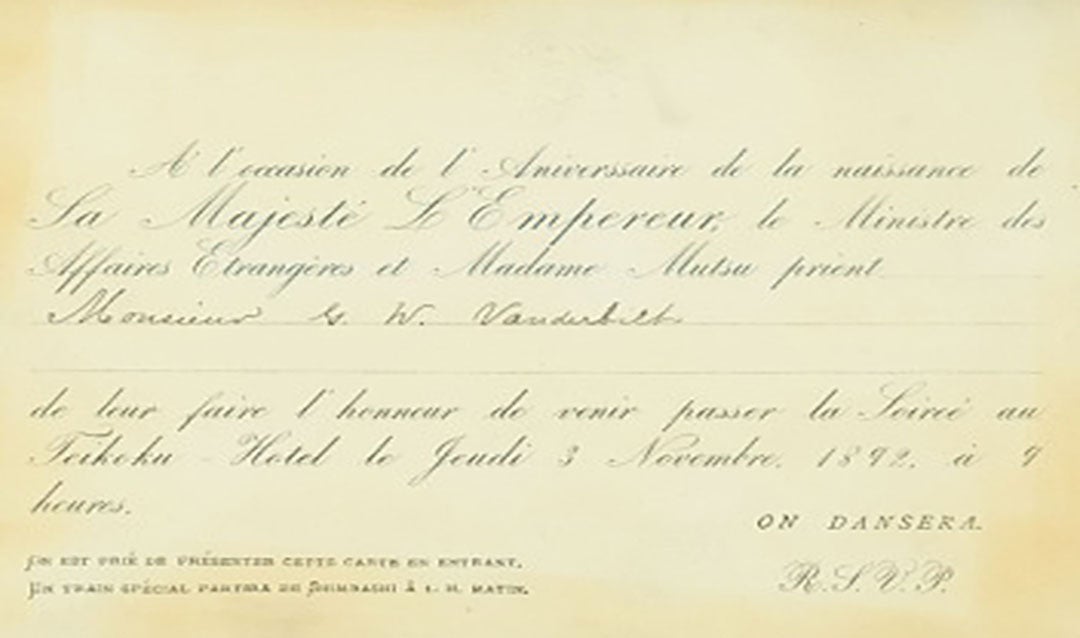
In fact, in 1892, George Vanderbilt and his cousin, Clarence Barker, toured countless temples and other cultural sites during their trip to Japan—a trip which begin with an invitation to attend the Emperor’s birthday celebration.
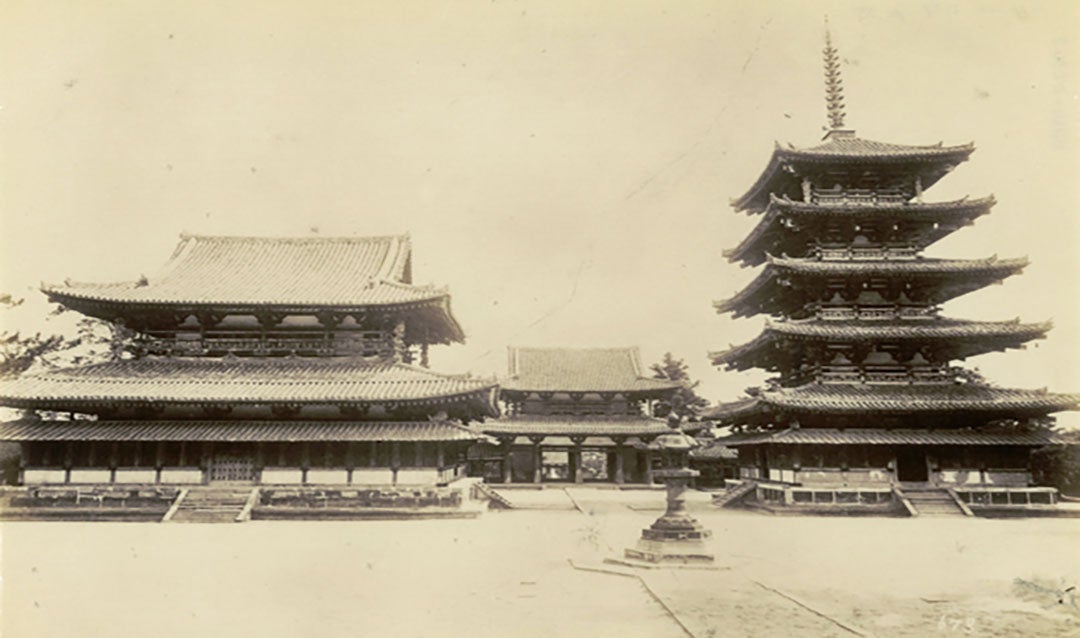
Around the turn of the century, many Americans thought Japan and its culture were exotic and rooted in tradition, offering a blend of spirituality and aesthetic beauty. To George Vanderbilt, deeply interested in history, the arts, and collecting, the allure must have been irresistible.

Of course, antiques shops and art dealers were part of the itinerary as George Vanderbilt eventually shipped 32 cases of art and decorative objects back to America. Among his purchases were:
- Satsuma ceramics, including a koro or ceremonial incense burner, for $85—a significant sum more than 125 years ago
- Two suits of samurai armor along with spears and swords
- Netsuke—miniature sculptures originally used as kimono toggles
- Bronze sculptures
- Lacquer boxes and sculptures
- Varied screens and fans
- Bamboo curtains
- 1,000 festive paper lanterns
Visit now through October 7 to experience Chihuly at Biltmore. After strolling through the exhibition, we invite you to discover The Biltmore Legacy in Antler Hill Village to view the Samurai armor and other treasures George Vanderbilt collected during his travels as part of our The Vanderbilts at Home and Abroad.
crop.jpg)


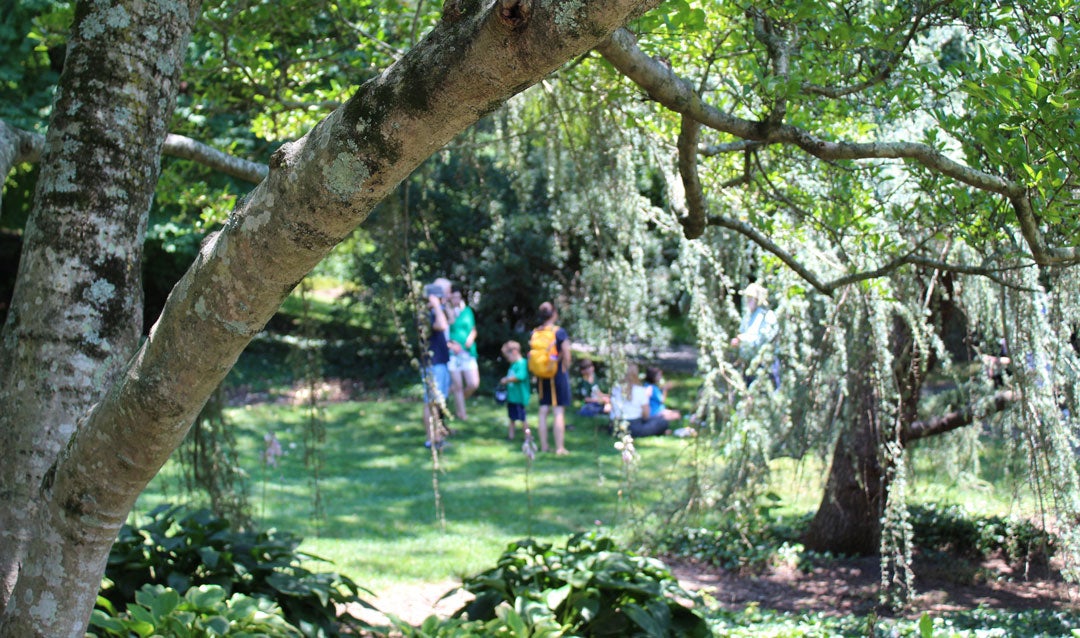
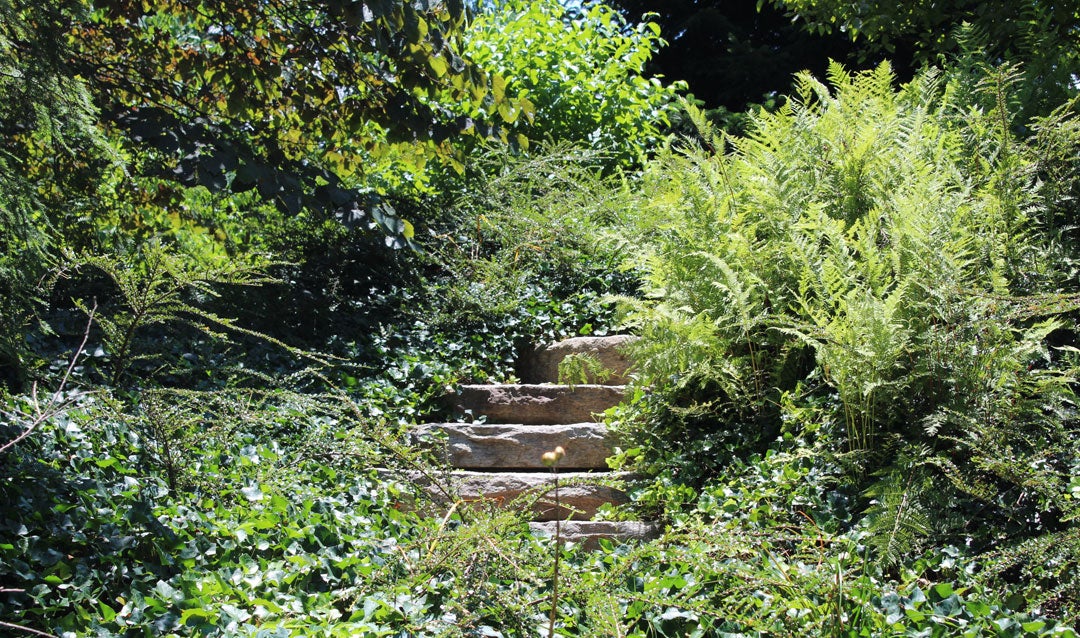




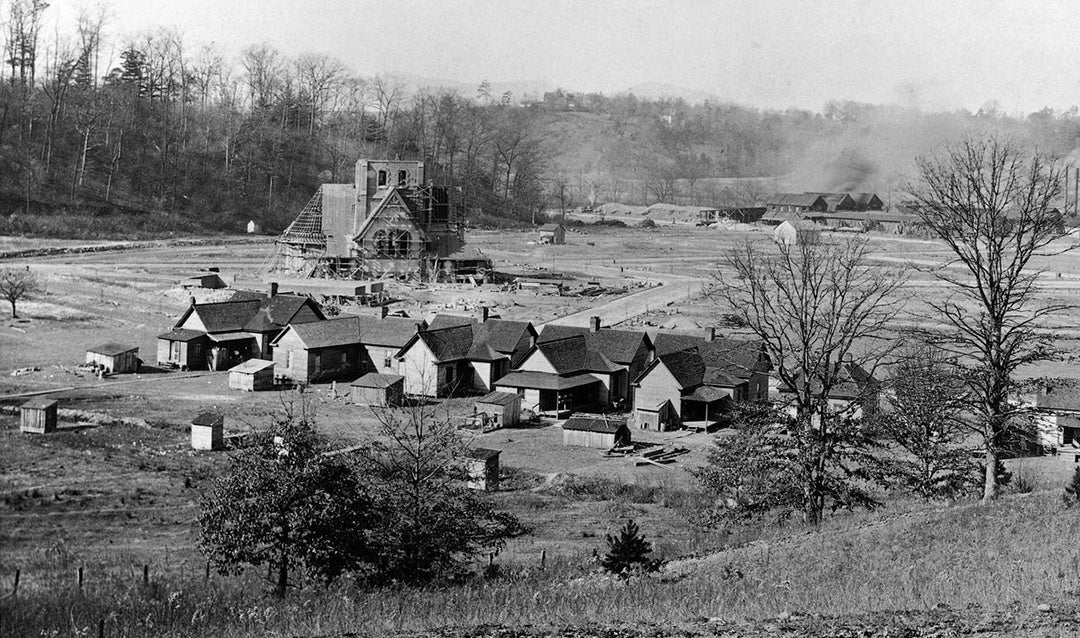
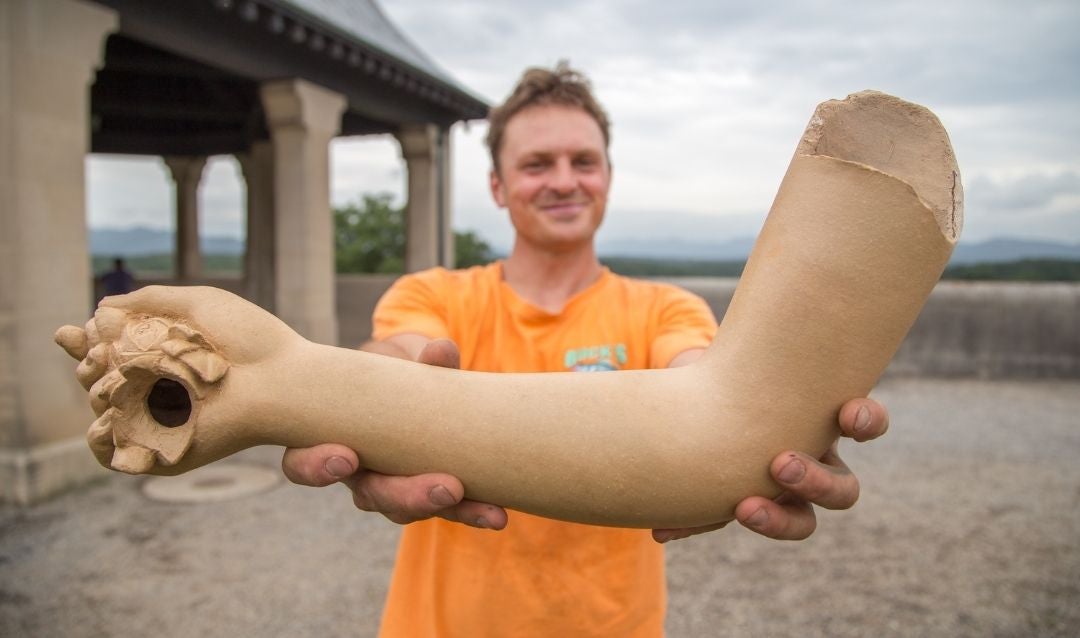
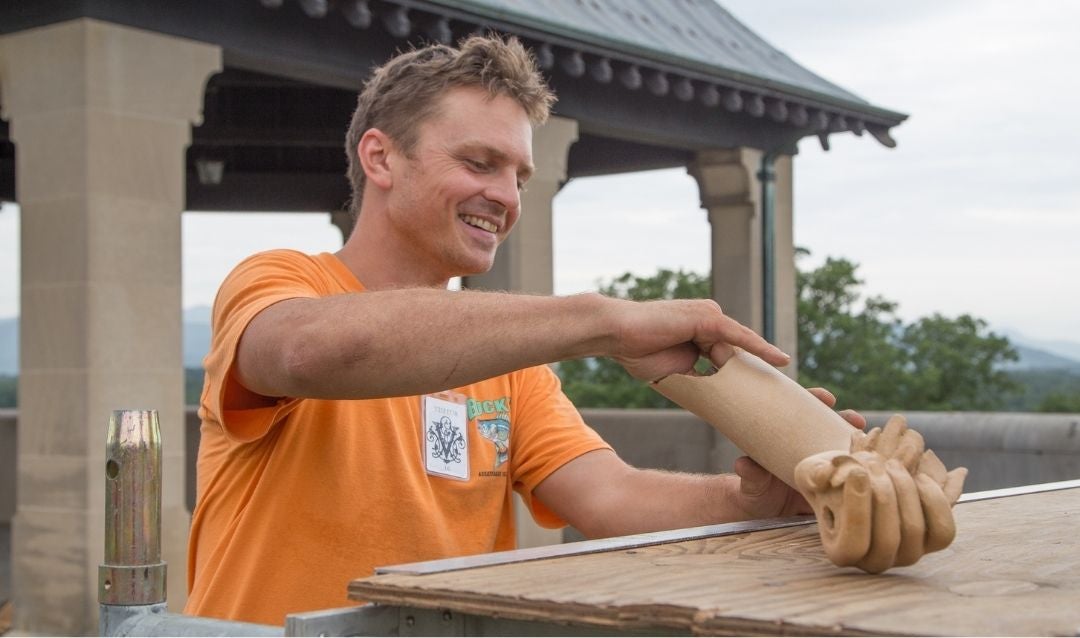
 The Pergola once served as a resting place overlooking a lawn tennis court popular with Edith and Cornelia Vanderbilt and their friends. In 1919, Edith asked Chauncey Beadle, estate superintendent, to convert the original “lawn” court to a clay court; the court was later removed.
 The Pergola itself dates back to the construction of Biltmore House. Grading and construction began in 1891 under the direction of architect Richard Sharp Smith and landscape architect Frederick Law Olmsted. This archival photo shows the walking paths from the Pergola through the Shrub Garden and Walled Garden completed, with the Pergola underway and, in the distance, the Conservatory under construction.
 Limestone columns and massive wooden rafters form the structure that was originally crowned with ivy. According to Bill Alexander, retired Biltmore landscape and forest historian, Olmsted specified English ivy to be planted at the base of the columns in 1892. “This look of being ‘festooned’ with ivy was typical of Olmsted’s design intent,” Bill said.
  By 1895, wisteria was planted on the South Terrace and trained to grow out over the Pergola through gaps in the limestone wall created for this purpose. Nearly a century later, Biltmore’s landscape team removed the vines from the top to protect the walls from damage caused by roots, resulting in the leafy and peaceful setting enjoyed today.