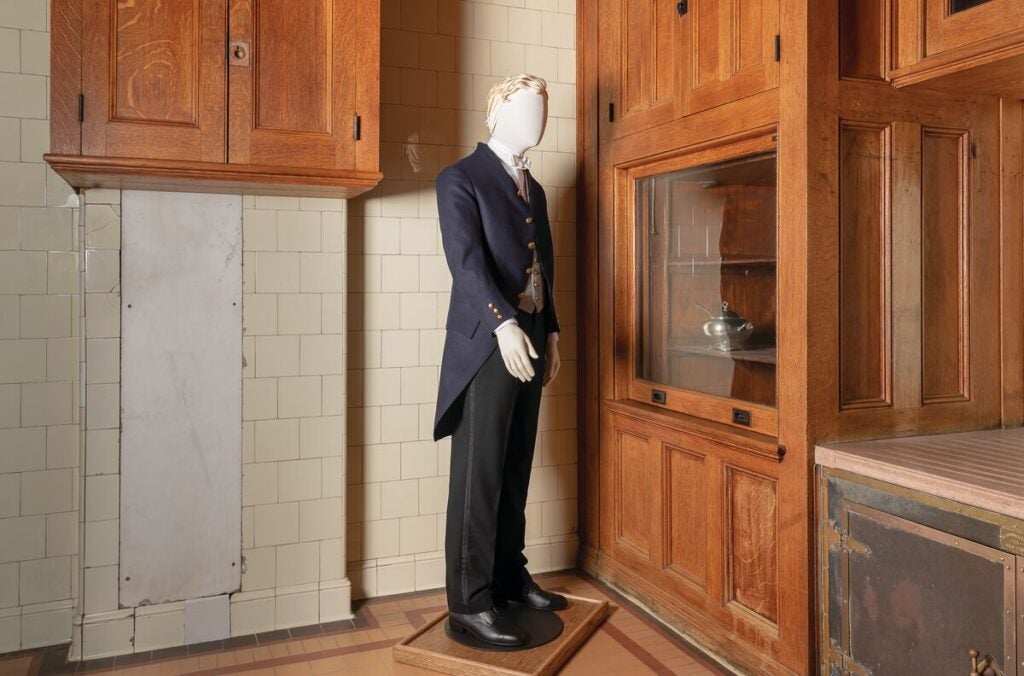
Welcome to the central nervous system of Biltmore House: The Butler’s Pantry. As its name suggests, this space was the main work area for the Biltmore House butler and his staff of footmen and it played a critical role in each and every meal enjoyed by the Vanderbilts and their guests.
Tip: As part of The Biltmore House Backstairs Tour, guests can enjoy the Butler’s Pantry, along with other rarely seen domestic-staff areas throughout Biltmore House.
At Your Service
It was the primary responsibility of the Biltmore’s butler to ensure that all meals, including afternoon tea, were served smoothly and effortlessly, as the performance of the head butler and his staff was a direct reflection of the Vanderbilts.
Strategically located on the first floor between the Kitchen and the Breakfast Room and directly above the basement kitchen, the Butler’s Pantry is a room that was constantly abuzz with staff activity. Meals were prepared in the kitchen and would arrive in the Butler’s Pantry via dumbwaiters and floor maids, ready to be plated and delivered to the family and guests.

Not only was the Butler’s Pantry the central hub for meal preparations, it was also the primary point of contact between the butler and guests.
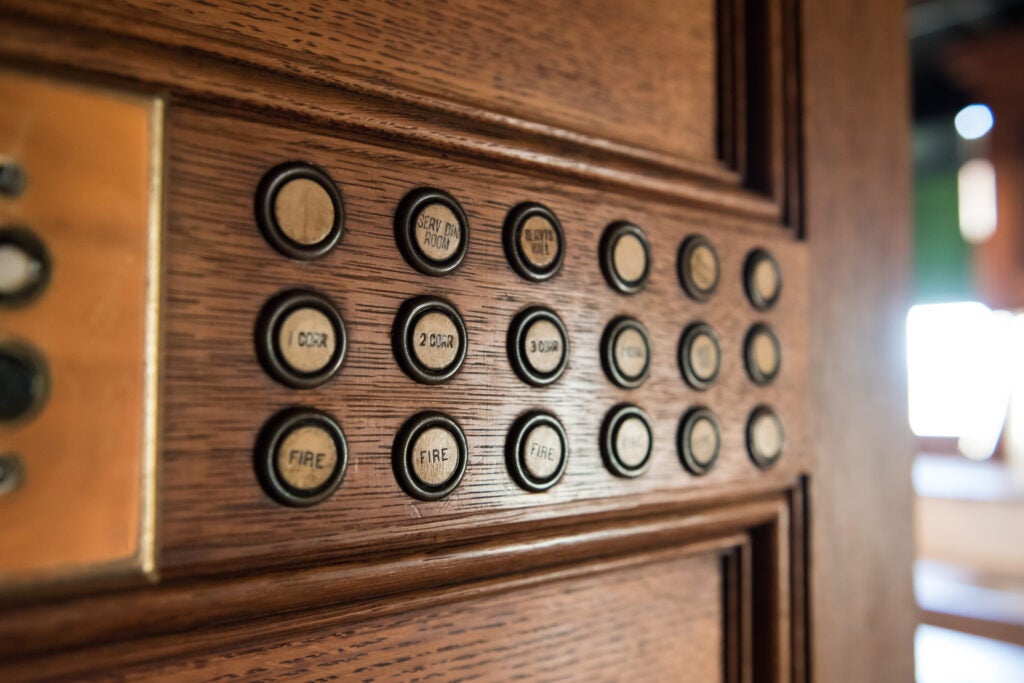
A visit to Biltmore offered guests anything their hearts desired, all at the push of a button. When a guest had a request, they simply pressed a button in their room, and a bell would ring on the state-of-the-art annunciator outside the Butler’s Pantry. The butler or a servant on duty in the Butler’s Pantry would attend to the guest themselves, send a nearby servant, or call a servant on the appropriate floor to see what is needed, then call down to the Butler’s Pantry so that the task could be delegated to the appropriate person. Like a well-oiled machine, the request would be fulfilled and the butler would be on to the next.
Detailed view of call buttons in the Butler’s Pantry
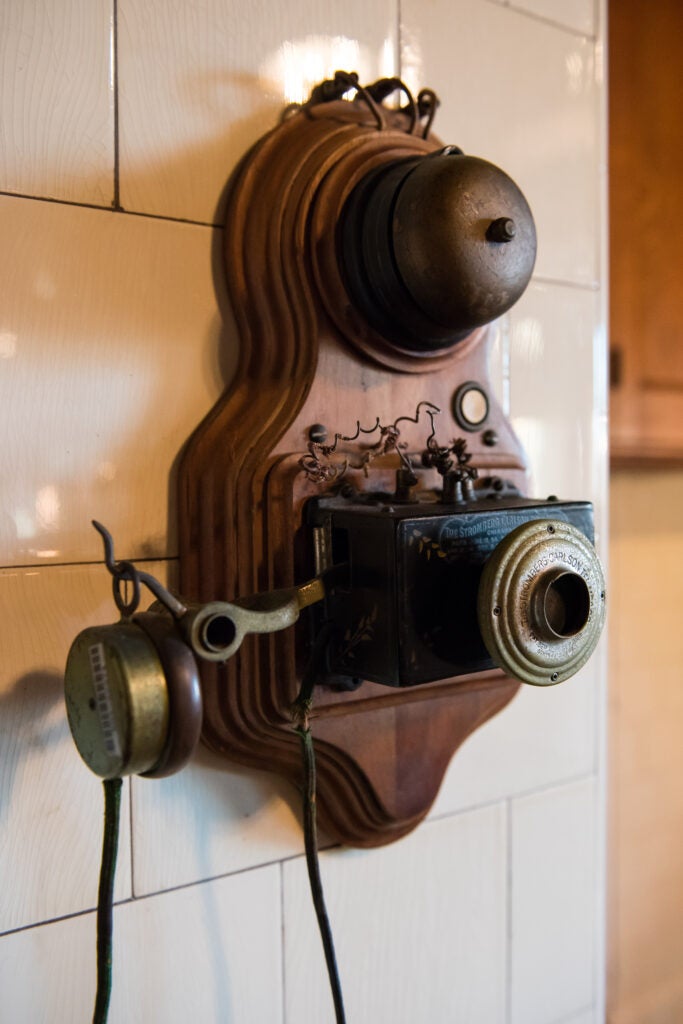
Detailed view of the telephone in the Butler’s Pantry
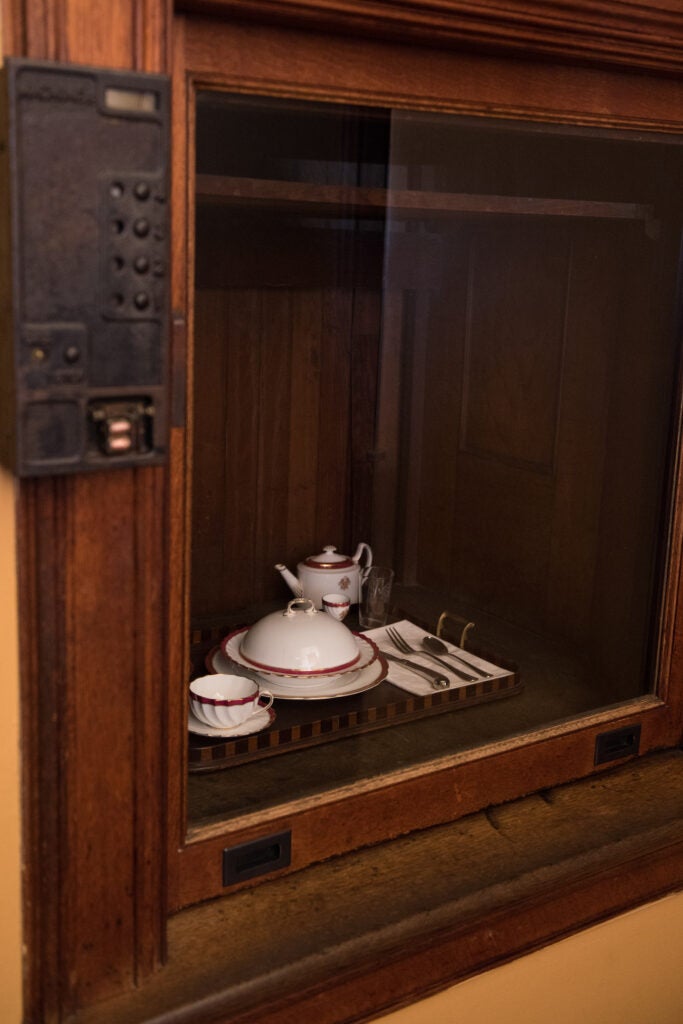
Detailed view of a dumbwaiter in the Butler’s Pantry
Technology in the Butler’s Pantry
Managing a Gilded Age mansion the size of Biltmore was no easy task, and the house featured the most cutting-edge technology of the time to assist the domestic staff in their daily duties. In many ways, Biltmore functioned like a luxury hotel, and these technological features helped ensure that all operations ran smoothly and quickly.
Below are some of the Biltmore House’s most notable technologies:
- Annunciator System: The Annunciator System (or servant call bell system) allowed staff to respond to guest calls from virtually any room in Biltmore House. Service was literally available at the push of a button.
- Dumbwaiters: The Butler’s Pantry features two dumbwaiters used to deliver food from the basement kitchen and pantry: one electric and one manual. (The electric dumbwaiter had a lifting capacity of 250 pounds and an operating speed of 100 feet per minute.)
- Refrigerators: In addition to the cold storage refrigerators in the basement, the Butler’s Pantry housed small refrigerators to keep milk, butter, and other dairy products cool until served.
- Warming oven: Conversely, an electric warming oven was used to heat plates and serving dishes, as well as keep small portions of food warm prior to serving.
- Telephone: The telephone was part of Biltmore’s in-house communication system manufactured by Stromberg-Carlson Telephone Manufacturing Company in Chicago.
Take a Look Around:
Click play and drag your mouse for a 360-degree view of the Biltmore House Butler’s Pantry main level.
(Please note: 360-degree video format is not currently supported by Internet Explorer or Safari. For best results, please view in Google Chrome or on your mobile device. We apologize for any inconvenience.)




 The artist begins sketching label designs









 ‘Queen of the Night’ cactus in bloom


