Edith Vanderbilt’s agricultural legacy is one of leadership, preservation, and advancement of farming practices in Western North Carolina. At a pivotal moment in history, she chose to sustain and strengthen a working agricultural system, while expanding its influence through education, innovation, and public engagement.
Her stewardship of Biltmore Estate and her leadership of the North Carolina State Fair helped shape the agricultural landscape of the region, ensuring that agriculture remained both economically viable and culturally valuable.
Induction into the WNC Agricultural Hall of Fame
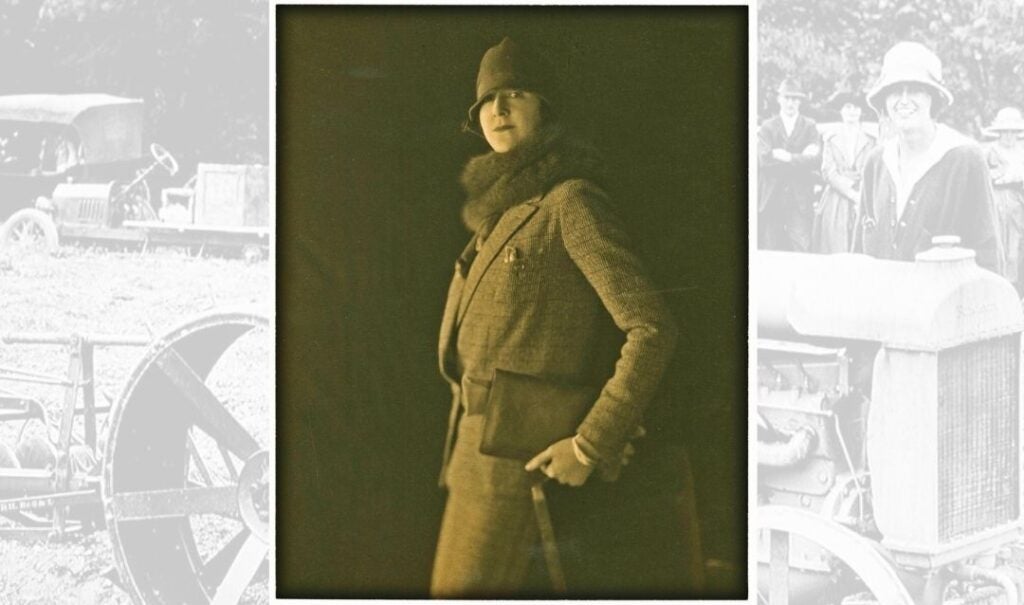
Edith Vanderbilt wearing a suit of Biltmore ‘homespun’ handwoven fabric produced by Biltmore Industries.
In Spring 2026, Kyle Mayberry, Director of Agriculture for Biltmore, had a meeting at the WNC Agricultural Center. As he walked through the WNC Agricultural Hall of Fame area, he spotted plaques honoring George Vanderbilt, his grandson George Cecil, and Dr. Carl Schenck, Estate Forester, for their agricultural contributions to the region.
“It surprised me to learn that Edith Vanderbilt had never been nominated for the Hall of Fame,” said Kyle. “She was a driving force in the success of agriculture in Western North Carolina, and her achievements in this field are an important part of her legacy.”
Kyle then nominated Edith Vanderbilt for inclusion in the WNC Agricultural Hall of Fame, and she was inducted on August 7, 2026.
Edith Vanderbilt’s agricultural legacy
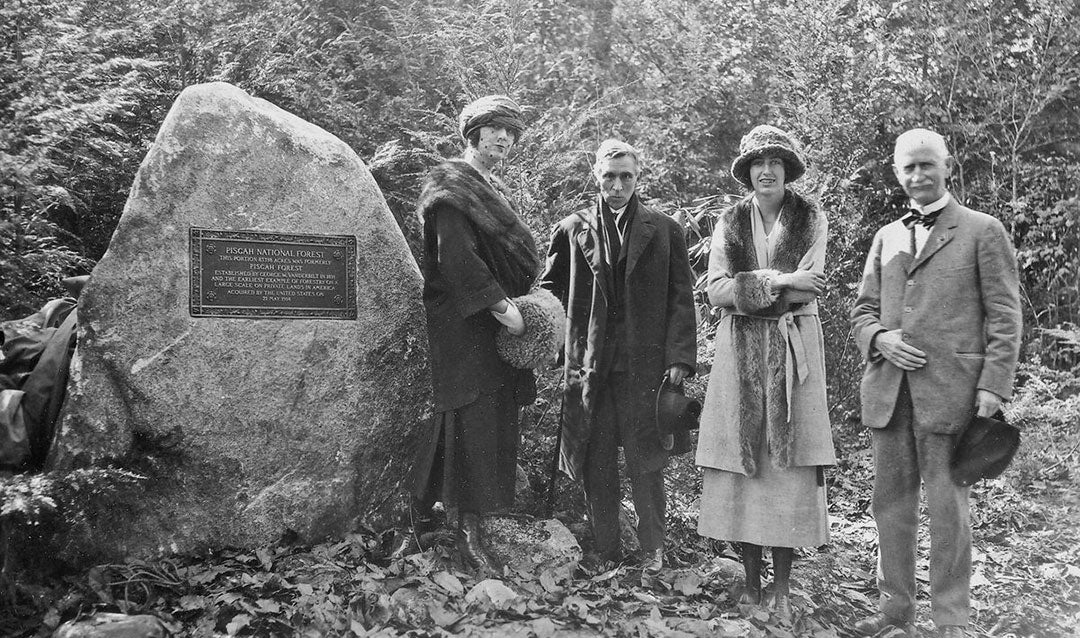
Edith Vanderbilt (far left) and Cornelia Vanderbilt (second from right) attending Pisgah National Forest dedication to the memory of George Vanderbilt, circa 1920.
Edith Vanderbilt’s agricultural influence was centered in Western North Carolina, with the Biltmore Estate in Asheville serving as the foundation of her work.
Through her leadership of one of the region’s most significant agricultural operations, as well as her role in statewide agricultural initiatives, her impact extended beyond Buncombe County to influence agricultural practices, education, and public engagement across North Carolina.
Following the unexpected death of her husband George Vanderbilt in 1914, Edith Vanderbilt assumed full responsibility for managing the estate, including its extensive agricultural and forestry operations. While not formally trained in agriculture, she quickly became an active and capable agricultural leader, working closely with estate managers, foresters, and farmers to sustain and advance the estate’s working farm model.
North Carolina Agricultural Society
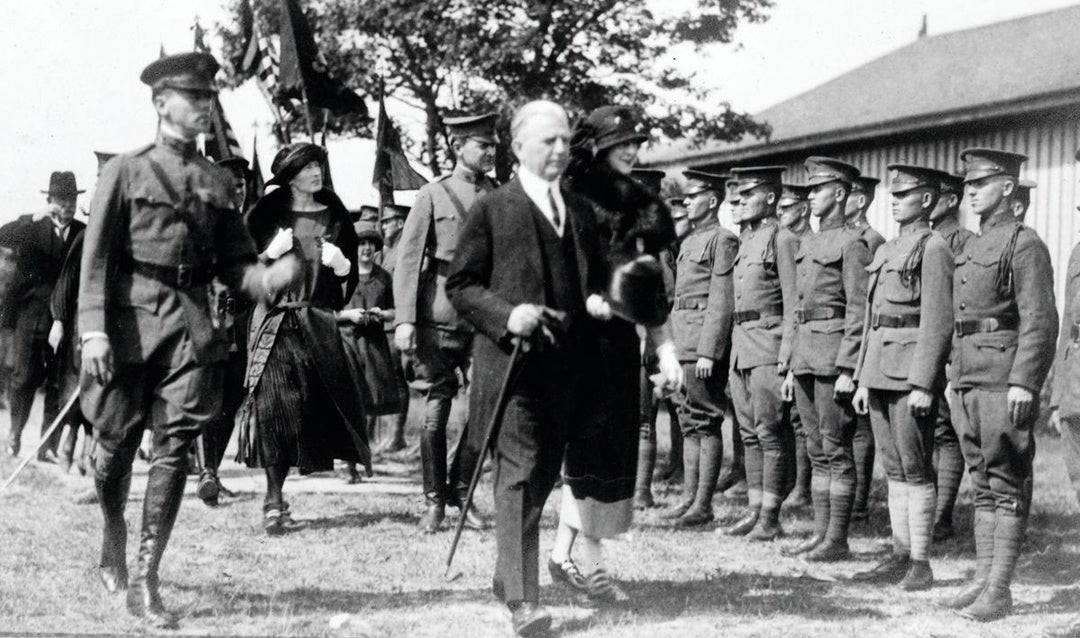
Archival photo of Governor Cameron Morrison (center) and Edith Vanderbilt (right) inspecting troops at the NC State Fair, October 1921
Her leadership extended beyond the estate when, in 1920, she was elected the first female president of the North Carolina Agricultural Society, placing her in charge of overseeing the North Carolina State Fair—one of the most important agricultural institutions in the state.
Edith Vanderbilt’s most significant agricultural contribution was her commitment to preserving and advancing Biltmore as a working agricultural estate during a time when many large estates were being dissolved. Under her leadership, she maintained and strengthened diversified agricultural production, including livestock, crops, and tenant farming systems and actively supported tenant farmers, encouraging productivity and stewardship through hands-on engagement and incentive programs.
She established and expanded the Biltmore Estate Exhibitions, which provided a platform for tenants and workers to showcase crops, livestock, and agricultural skills. These exhibitions included judged competitions, prize incentives, and community participation—serving as an early model of agricultural extension and education.
Modern agricultural technology
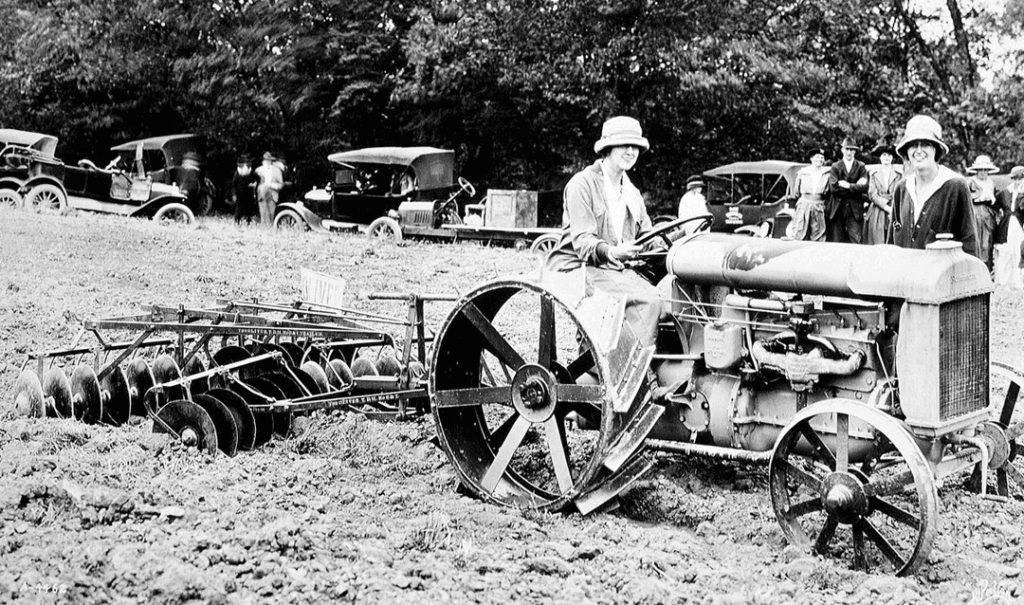
Archival image of Edith Vanderbilt operating a farm tractor while her daughter Cornelia and others watch.
She also promoted the adoption of modern agricultural technology, including participation in early tractor demonstrations and mechanization efforts on the estate. Through these efforts, she created a system that not only produced food and fiber, but also educated, incentivized, and elevated those working within it.
“Among her many other initiatives, Mrs. Vanderbilt established the Biltmore Dairy Moonlight School for adult literacy, finalized the sale of the Pisgah National Forest acreage, created Biltmore Industries as an outlet for local weavers to sell their wool and woven goods, supported farming technology, and revitalized the North Carolina State Fair. Her agricultural legacy is a powerful testament to her commitment to Biltmore and Western North Carolina,” Kyle said.
Biltmore® Grown products celebrate our agricultural legacy and are the natural result of George Vanderbilt’s vision for a self-sustaining estate.
From the inception of Biltmore in the late 1800s, Mr. Vanderbilt intended to provide produce, meat, and other products for his family and guests at Biltmore. His commitment to quality and vision inspired the establishment of Biltmore® Grown.
Proud of our agricultural heritage, we are dedicated to offering the highest-quality premium, pasture-based products. By purchasing our products, you not only become part of Biltmore’s rich history, you also support the preservation of this working estate.
Meats (beef, pork, lamb, jerky, charcuterie)
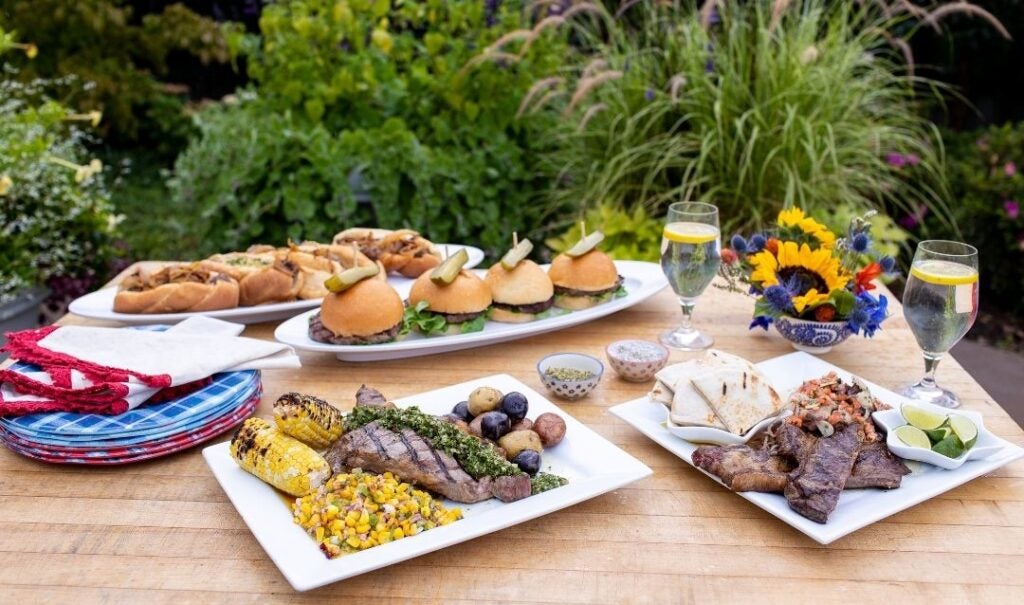
Whether you’re grilling for yourself or a group, Biltmore Grown meats are a welcome addition to any gathering!
Across the estate’s 8,000 acres, livestock are born and raised on the same land, forming the heart of a true estate-raised program that has been part of Biltmore’s agricultural identity since the late 1800s. Guided by a commitment to doing things the right way, animals are humanely raised on open, lush pastures, nourished with high-quality grains, and never given added growth hormones or unnecessary antibiotics.
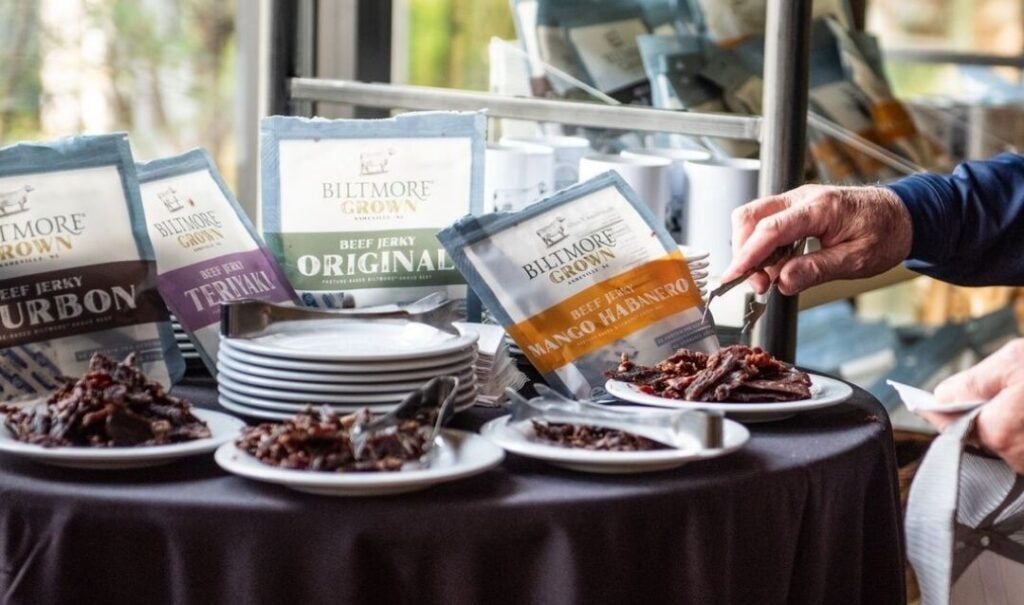
Biltmore Grown jerky is available in four delicious varieties: Original, Bourbon, Mango Habenero, and Teriyaki.
This thoughtful approach is paired with a deep respect for environmental stewardship, ensuring the land is cared for as carefully as the animals themselves. The results embody both tradition and integrity, a product of sustainable practices, responsible farming, and a continued dedication to preserving the estate for generations to come.
Find it: Highlighted on estate restaurant menus, fresh and frozen options at Gate House Shop located at the estate’s main entrance/exit, and special seasonal packages online.
Honey
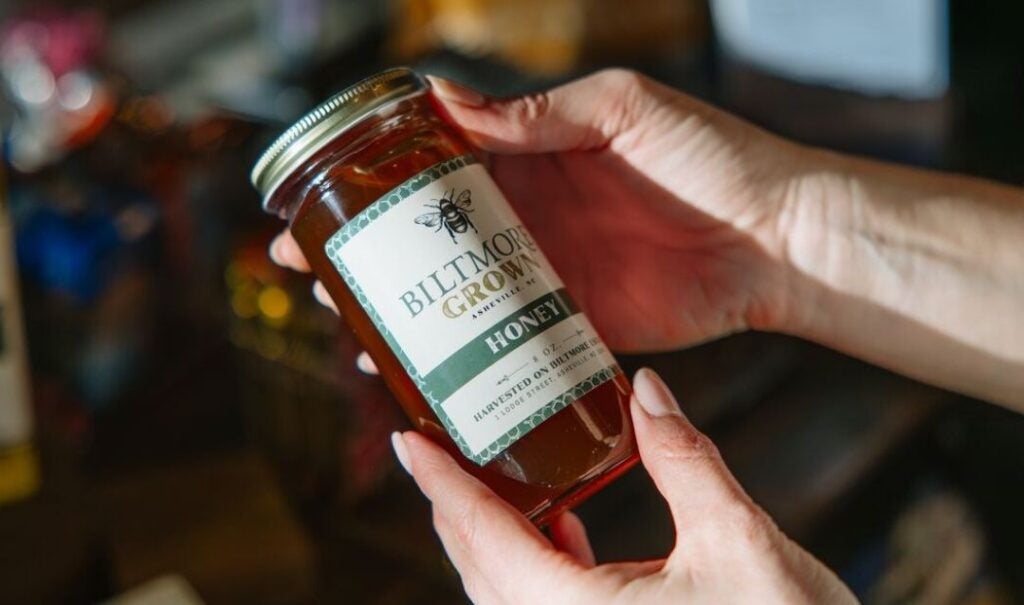
Enjoy the sweetness of honey from hives tended on the estate.
With Biltmore® Grown, caring for the land also means supporting the life that sustains it. Across the estate, a network of pollinator habitats, including a certified Monarch Waystation, provides a thriving environment for bees, butterflies, and other essential species. These spaces are carefully maintained to support both biodiversity and the health of the estate’s crops.
More than 100 honeybee hives are managed across the property by a multi-generational Biltmore apiarist, bringing years of experience and continuity to the craft. Biltmore® Grown Honey reflects the landscape, as bees gather pollen from dogwood, sourwood, clover, and other flowering trees across the estate. The result is a rich, golden honey with layered floral notes and a smooth, lingering sweetness that captures the variety of blooms that nurtured it.
Find it: Highlighted on estate restaurant menus, in estate shops, and online.
Sunflower Oil
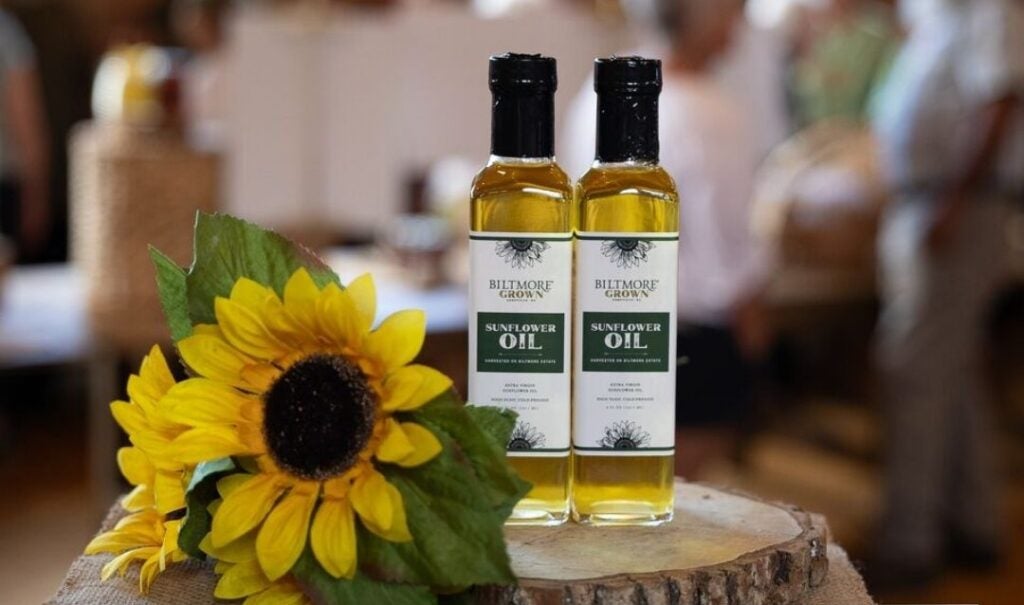
Our late-summer sunflowers aren’t just decorative–they provide the seeds we press for Biltmore Grown Sunflower Oil.
Grown in the fields along the Antler Hill Village walking trails, Biltmore® Grown Sunflower Oil begins its journey on the estate, where each sunflower is carefully harvested at peak oil maturity. Without ever leaving North Carolina, the seeds are cold pressed using traditional granite millstones rather than harsh chemicals, preserving the oil’s natural richness and its warm, nutty character. The result is an unrefined artisan oil that brings both versatility and wellness to the table.
Whether drizzled over fresh greens, used for sautéing and searing, or baked into your favorite recipes, it performs like a trusted staple with an elevated touch, offering a higher smoke point and a wealth of heart-healthy monounsaturated fats. Rooted in craftsmanship and grown close to home, this oil is more than an ingredient; it reflects our commitment to care from field to bottle.
Find it: Highlighted on estate restaurant menus, in estate shops, and online.
Stone-Ground Corn Meal and Grits
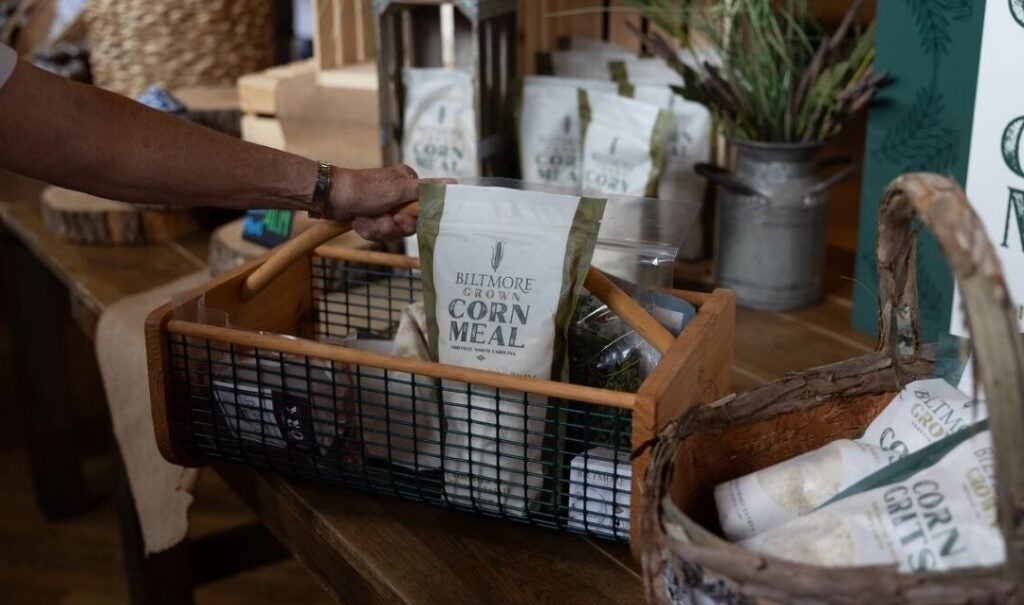
Enhance your favorite recipes with estate-grown corn meal and grits.
Grown across the estate using no-till regenerative agriculture methods, each acre of corn is managed with clear purpose. Early in the season, while the crop is still green and at peak nutritional value, a portion is harvested as silage to support the livestock raised on the estate.
This first harvest plays an essential role in maintaining a consistent, high-quality feed source and reflects the practical, full-use approach that defines Biltmore Grown agriculture. As the remaining corn matures and dries in the field, it is harvested for grain products including Biltmore® Grown Stone Ground Self-Rising White Corn Meal and Biltmore® Grown Stone Ground White Corn Grits, processed at a traditional local mill so you can discover its distinctive rich flavor and hearty texture for everyday cooking.
Find it: Highlighted on estate restaurant menus, in estate shops, and online.
Other Biltmore® Grown products
Hydroponic greens Across the French Broad River from Biltmore House you’ll find an 8,000 square foot hydroponic greenhouse that is part of our Field to Table program. We grow a wide variety of seasonal produce ranging from fresh artisan lettuces, romaine, herbs, and edible flowers that are served in estate restaurants.
Find it: Highlighted on estate restaurant menus and in Passholder-exclusive Biltmore® Grown Markets throughout the year.
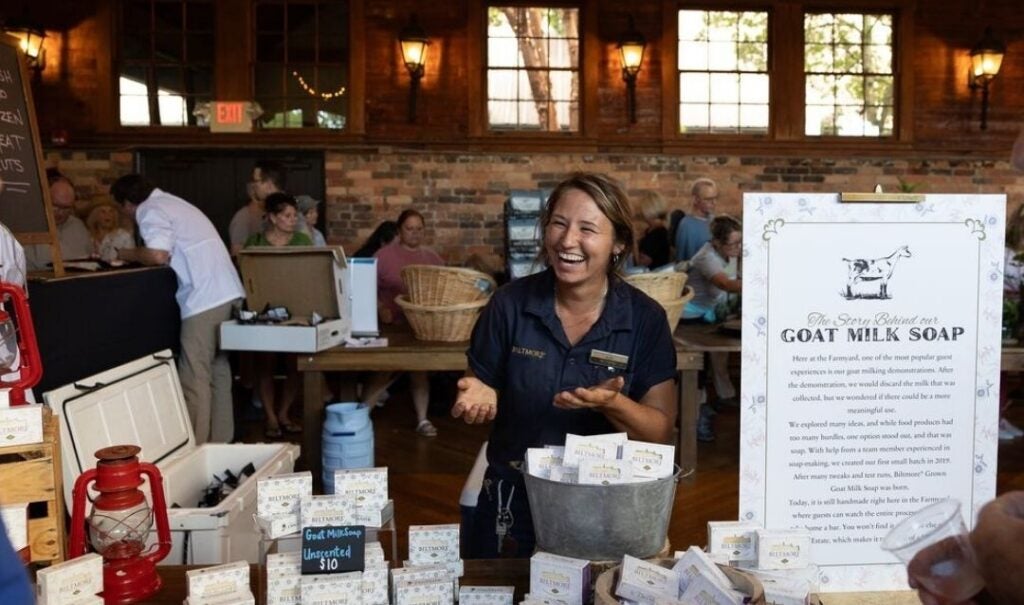
Our goat milk soap is handcrafted at the Farmyard in Antler Hill Village.
Goat milk soap One of the most popular guest experiences at the Farmyard in Antler Hill Village is our goat milking demonstration. We explored ways to use the milk, and with help from a team member who knew how to make soap, we created our first small batch of goat milk soap. Today, it is still handmade right here in the Farmyard where guests can watch the entire process and even take home a bar.
Find it: Available at the Farmyard and Passholder-exclusive Biltmore® Grown Markets throughout the year.
Tallow skincare Our tallow skincare products come from Biltmore® Grown pasture-raised cattle and are carefully blended in small batches by a family-run homestead into simple, functional products. Rich in vitamins A, D, E, and K, the products are used because they work, offering deep, lasting moisture without unnecessary additives. From whipped tallow balms to lip care, each product is made with a short list of recognizable ingredients and designed for everyday use.
Find it: Available at Passholder-exclusive Biltmore® Grown Markets throughout the year.
Leather goods The leather for items including wallets, coasters, luggage tags, commuter bags, backpacks, and weekender bags began on the pastures of Biltmore, where Angus cattle are raised with care and respect. Their hides are thoughtfully transformed—tanned at the historic Hermann Oak Tannery in Missouri, then crafted into timeless leather goods by Moore & Giles in Virginia. Each piece comes full circle, returning home to Biltmore—where heritage, craftsmanship, and sustainability meet. Natural variations in tone make each piece truly one of a kind.
Find it: Available at Traditions in Antler Hill Village, Marble Lion at The Inn on Biltmore Estate®, online, and in Passholder-exclusive Biltmore® Grown Markets throughout the year.
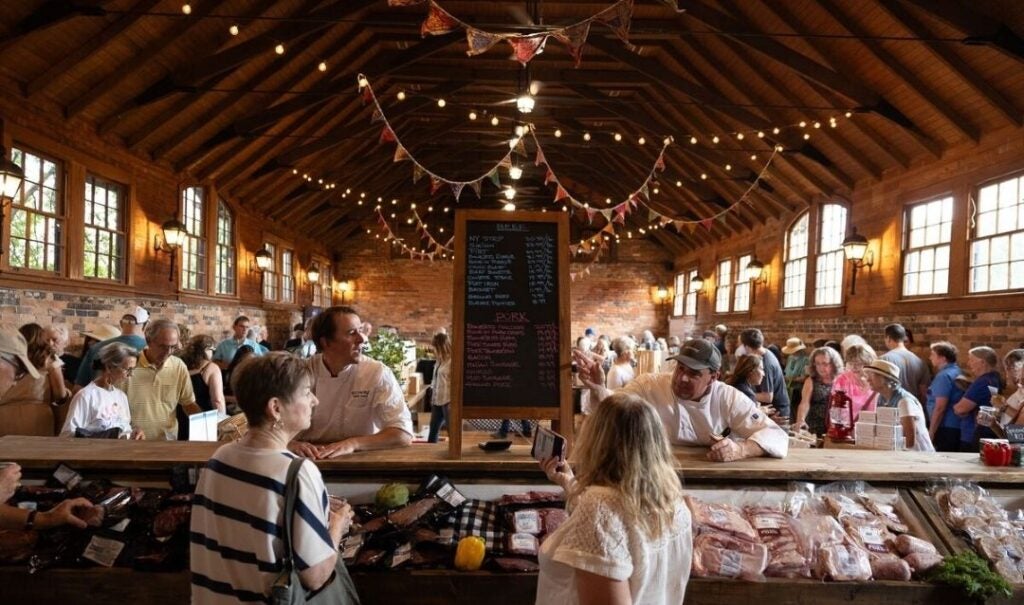
Annual Passholders at a recent Biltmore Grown Market talk to our estate experts about Biltmore Grown meats and other products.
Biltmore® Grown Markets give Passholders an opportunity to sample and savor Biltmore Grown products, stock up on new and old favorites, meet estate experts, and more. Find complete details in upcoming emails or log in to your online Passholder account and make (free) reservations to attend the next event.
Ready to see Biltmore Grown up close? Our Farm to Table Tour & Taste—the only tour that offers guest access to the estate’s pastoral West Side—is a fascinating behind-the-scenes exploration of our agricultural operations. You’ll visit Biltmore’s Black Angus beef cattle and Berkshire hog facilities, as well as our hydroponic greenhouses, and picturesque vineyards. After seeing how we continue to honor our legacy of sustainability, you’ll sample fresh estate-grown artisanal fare and savor a glass of handcrafted Biltmore wine.
Find it: Enhance your visit with this 2-hour tour available Wednesdays and Fridays, 1–3 p.m., March 25–December 31. Advance reservations required. Your shuttle departs from Biltmore’s Farmyard in Antler Hill Village (next to Pisgah Playground).
Luminere was hosted at Biltmore March 26–October 18, 2026. Please enjoy this archived content about the experience.
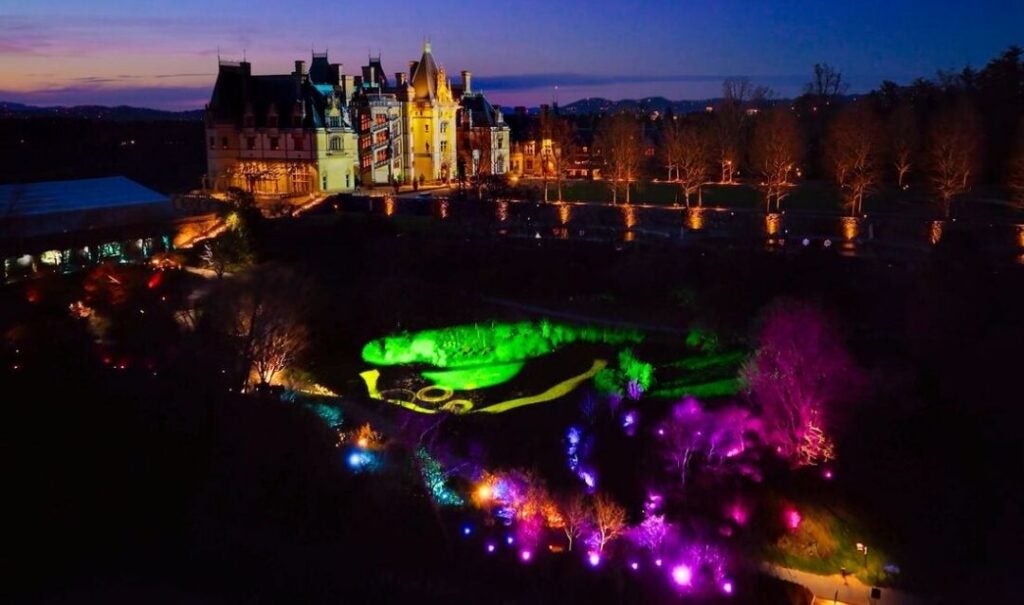
Garden illusions are an integral part of Luminere™, our new evening light and sound experience at Biltmore. Immerse yourself in the magic on select dates, now–October 18, 2026.
“While Biltmore House turns into a canvas telling the story of the Vanderbilts and their legacy, the gardens are more of a dreamscape that invites you to become part of the experience as you move through it,” said Travis Tatham, Director of Destination Entertainment and Events.
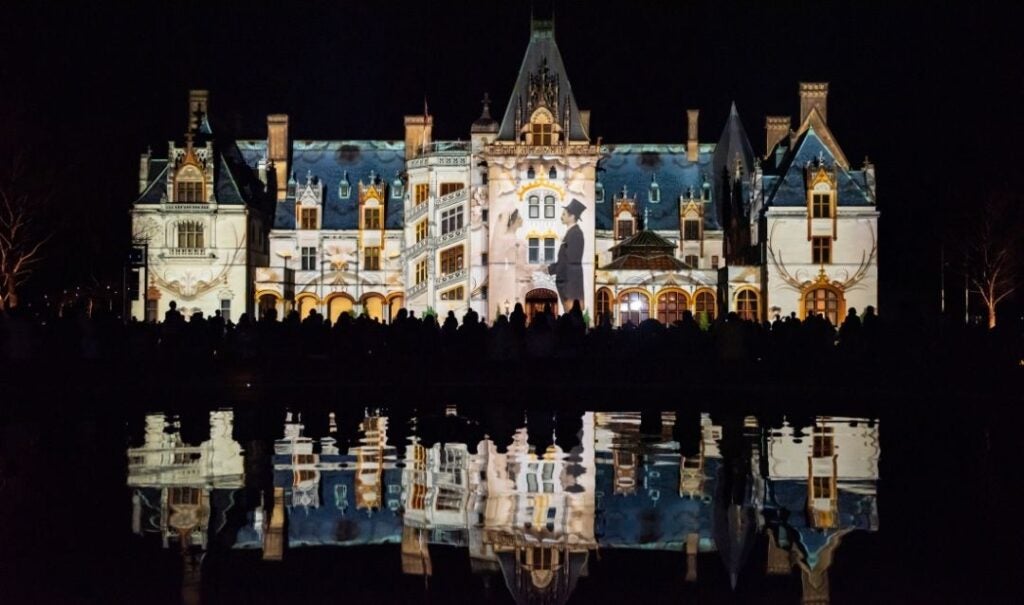
In addition to Illuminated Storyscapes, the grand 15-minute display that plays twice nightly on the facade of America’s Largest Home®, there are six distinct garden illusions that are also part of every Luminere evening:
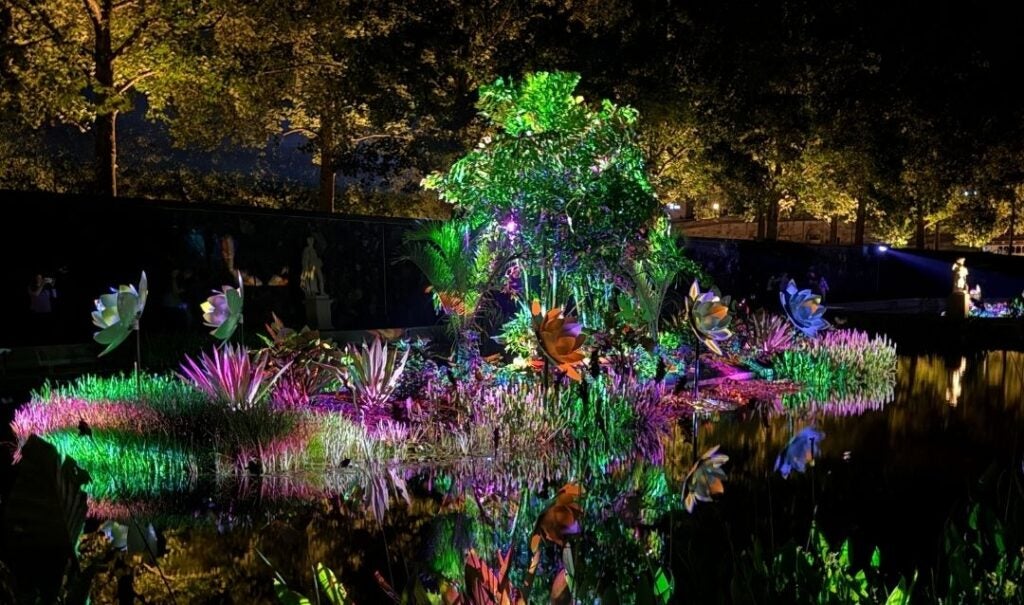
Rippling Pools: Italian Garden illusion
The Italian Garden pools feature music and rippling lights that highlight aquatic plants and multi-layered metal lotus sculptures.
Drift into a dreamscape, where abstract illuminations meet nature’s beauty. The water garden comes to life, moving in time with illuminated reflections that chase cascading waves of sound, rippling in radiant rings across starlight-dappled pools.
This 5-minute show runs on a continuous loop throughout the evening.
Seasons Passage: Pergola illusion
Guests watch the magic of spring tulips unfolding as part of the four seasons garden illusion under the Pergola.
Immerse yourself in Biltmore’s year-round beauty as sculptures representing each of the four seasons reveal playful scenes inspired by the showers of spring blooms, showy summer petals, colorful fall leaves, and hushed winter landscapes.
This 10-minute show encompasses all four seasons and runs on a continuous loop throughout the evening.
Moonlit Dance: Shrub Garden illusion
Lovely lights and signature music fill each area of Biltmore’s historic gardens, including the Shrub Garden (captured here in a pool of green light) located between the Pergola and Walled Garden illusions.
Seek the night’s essential magic among the trees as playful melodies draw you deeper into quiet spaces, inviting you to lose yourself in the wonders of this dream-filled experience inspired by summer evenings under starry skies.
This 5-minute show runs on a continuous loop throughout the evening.
Starlight Soirée: Walled Garden illusion
The lights and music in the Walled Garden are inspired by outdoor evening soirees hosted by the Vanderbilt family.
Imagine yourself as a friend of the Vanderbilts during one of their long-ago celebrations, laughing and dancing in gardens aglow with soft lights and alive with music, all to fill you with a sense of wonder and delight.
This 5-minute show runs on a continuous loop throughout the evening.
Twilight Flight: Treescape illusion
The treescape beyond the Walled Garden is a magical experience filled with birds and butterflies and other winged wonders!
Discover a grand-scale illumination featuring a lyrical celebration of winged wonders such as butterflies, fireflies, and birds that soar and dance across the night sky, running through endless forests and fields under the cover of stars.
This 5-minute show runs on a continuous loop throughout the evening. Look for signage that beckons you into the garden for ideal viewing of this illusion that includes a special “visit” by the Vanderbilts as they appear to waltz among the trees!
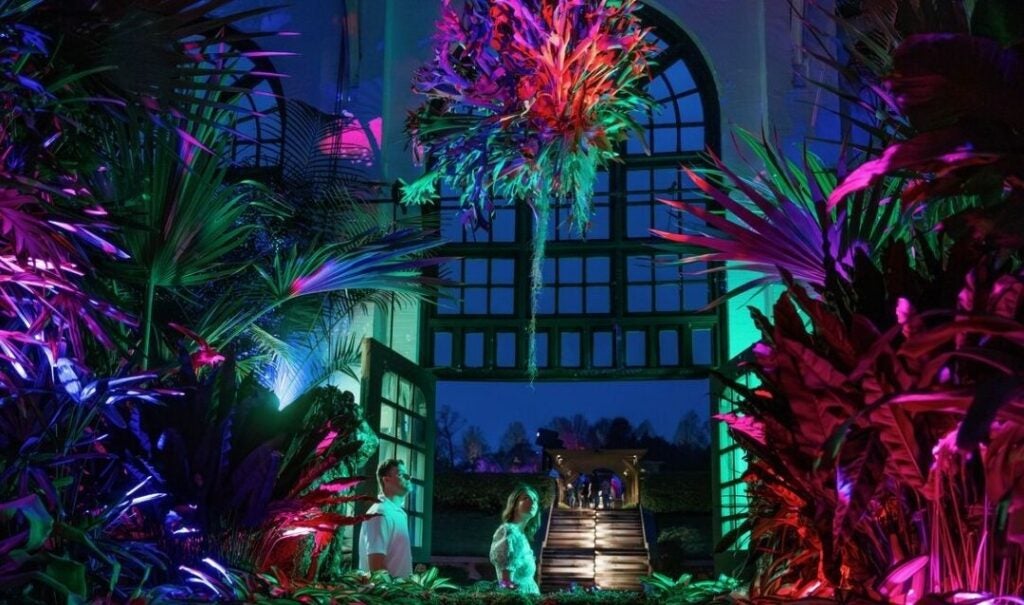
Floral Reverie: Conservatory illusion
Filled with tropical treasures and exotic plantings, the Conservatory is breathtaking during each Luminere evening.
Wander through a blooming tapestry of light and sound that swirls across tropical treasures, highlighting the lush botanical beauty captured within this splendid glass-topped garden setting.
This 5-minute show runs on a continuous loop throughout the evening.
Plan your Luminere evening
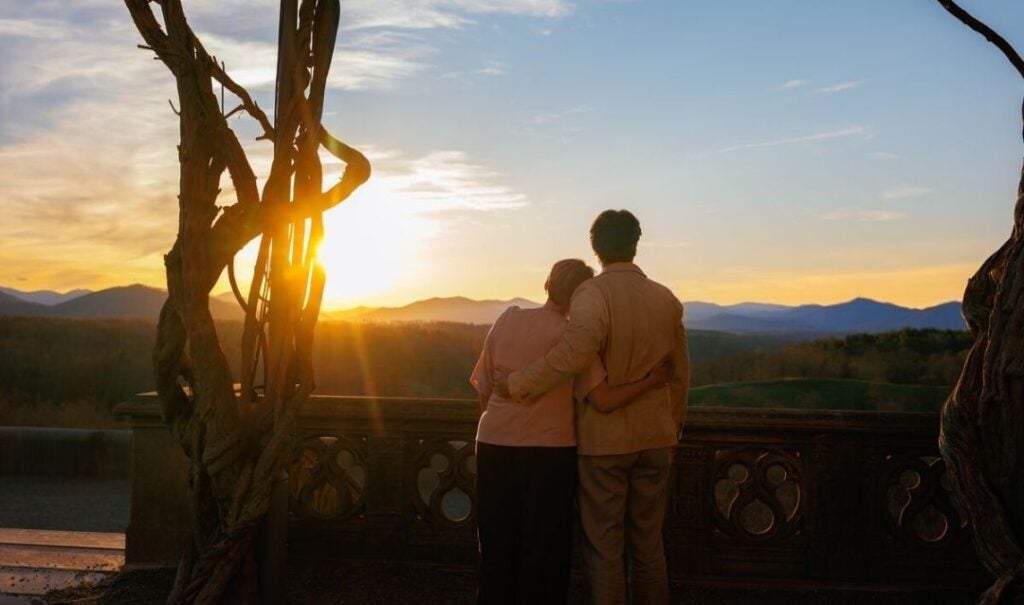
Watch the sun set over the Blue Ridge Mountains as part of your Luminere experience.
Plan your visit now and join us as the golden hour of sunset stretches across the estate, turning Biltmore House & Gardens into an even more magical experience!
Enjoy dinner at one of our estate restaurants or reserve a gourmet picnic, listen to live music, discover our fun-for-all-ages Family Zone featuring lawn games and a treasure hunt, and more before your Luminere evening begins.
Falconry soars at Biltmore as a pair of dedicated falconers showcase the powerful skills of the beautiful birds in their care. Learn more about this experience hosted on the grounds of George Vanderbilt’s estate in Asheville, NC.
Meet your falconry team
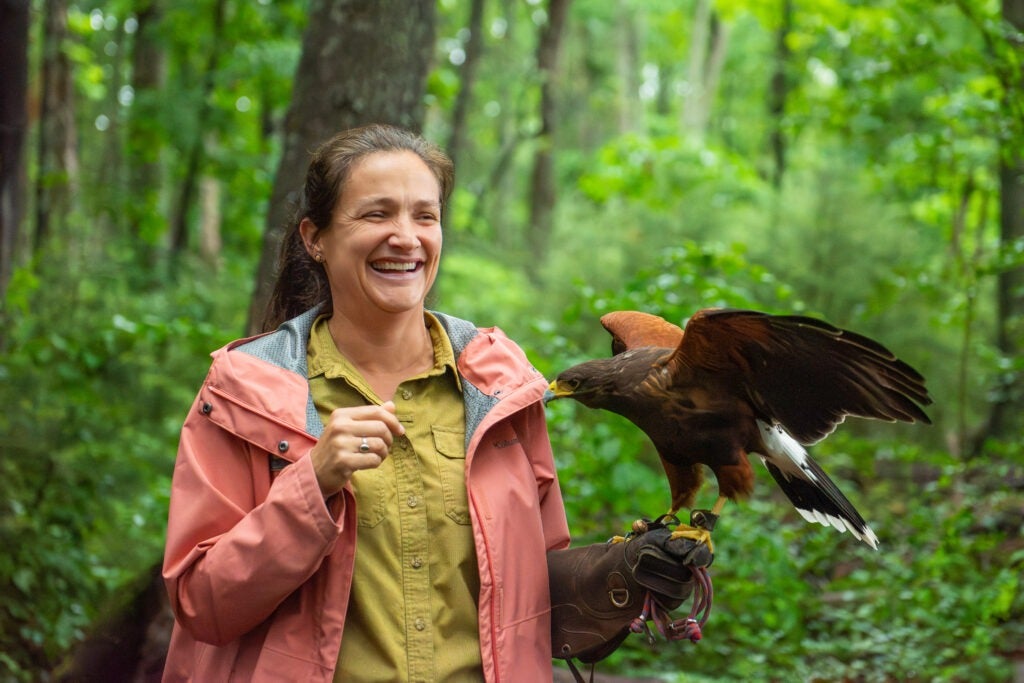
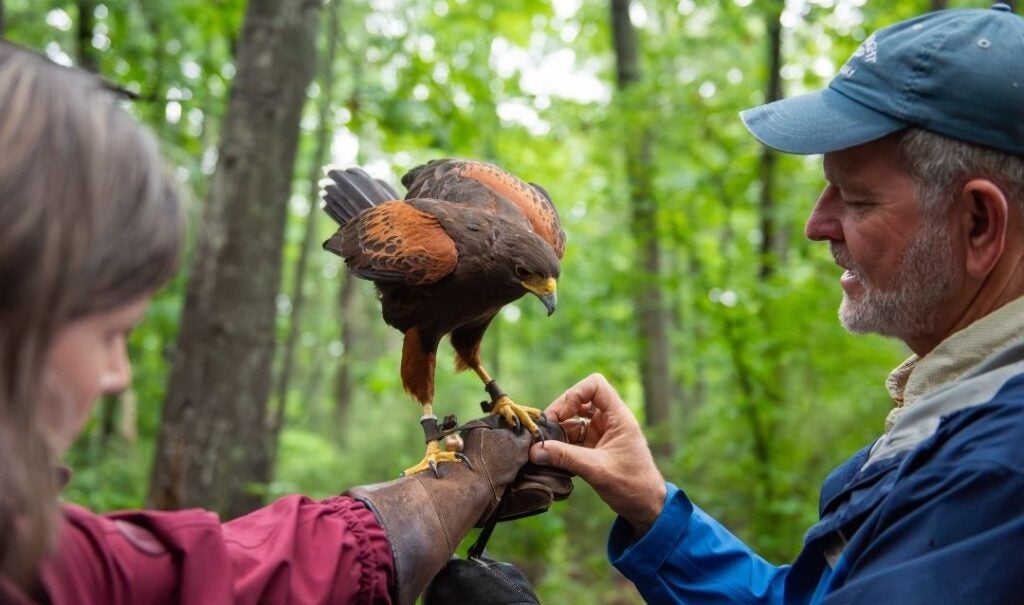
Samantha gives falconry participants a chance to see a Harris’ hawk up close.
Participants meet Samantha Bristow and Jeff Curtis, members of Biltmore’s Outdoor Adventure Center team who lead our falconry experience, in the Lobby of The Inn on Biltmore Estate. From there, it’s a short walk to the wooded area beyond The Inn where each bird of prey is housed in its own separate enclosure.
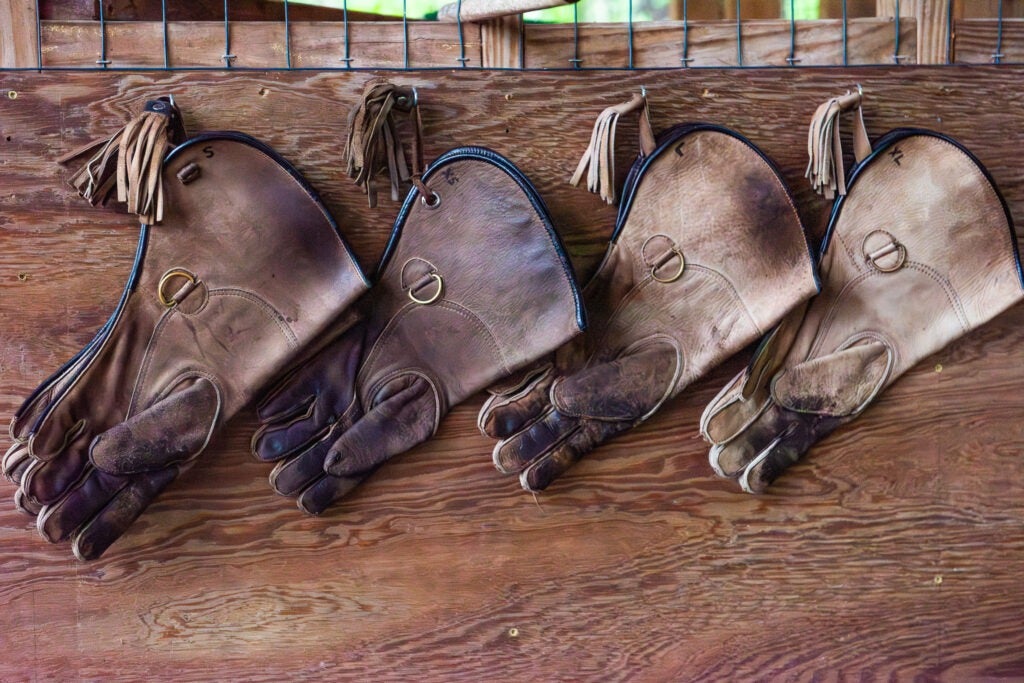
Leather gauntlets protect your hand and arm while giving the birds a firm surface to grip with their talons.
After a brief overview of the history of falconry and Biltmore’s program, participants have an opportunity, one at a time, to don a heavy leather gauntlet that protects the hand and forearm and allow a raptor to perch there while Jeff and Samantha provide rich details about these fascinating birds of prey.
Fun falconry fact: The activity is known as falconry whether you’re interacting with hawks, owls, eagles, or falcons.
Handling birds of prey
Jeff helps a Harris’ hawk settle on a guest’s gauntlet as part of Biltmore’s falconry experience.
“We usually start with Sam and Hoppy, which are both Harris’ hawks. They are are the only social species of hawk in the world, and that makes them a good fit for the type of falconry program Biltmore offers,” said Jeff, who is also a Master Falconer and Falconry Guide with a local outfitting service. “Sam, in particular, has a good temperament that makes him a great ambassador for raptors, especially when we are working with school groups.”
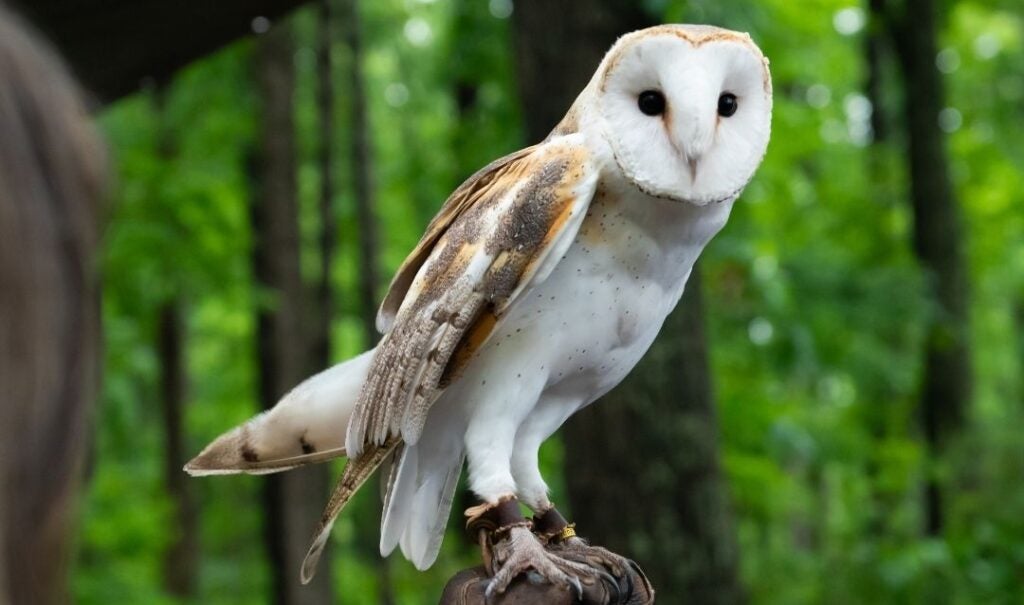
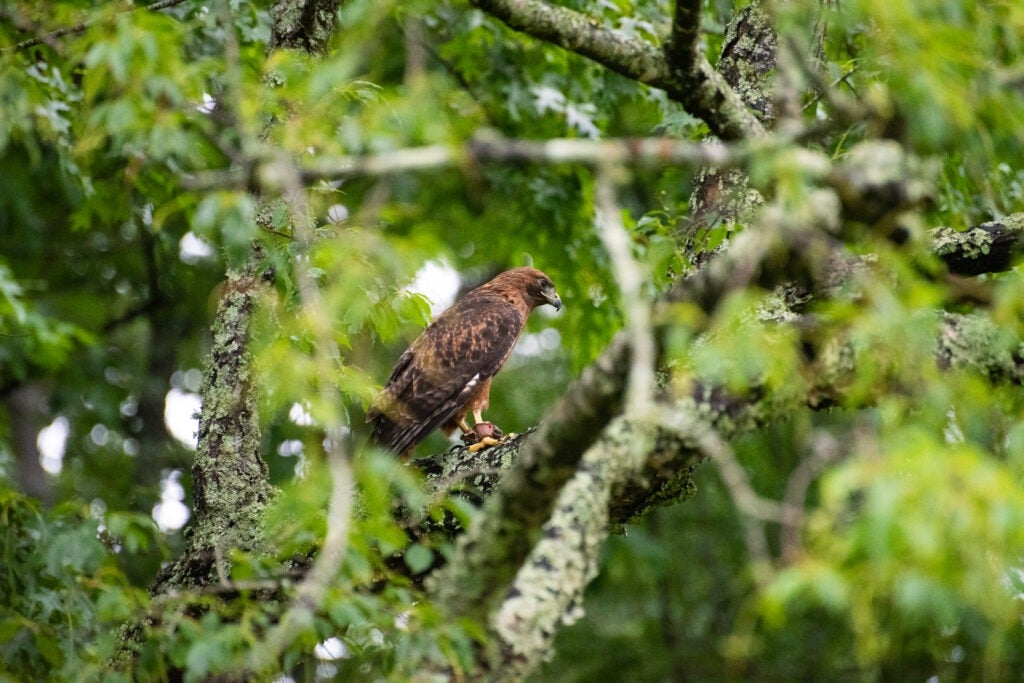
In addition to Sam and Hoppy, you’ll have an opportunity to handle trained raptors such as Ray, a red-tailed hawk, and Oskar, a barn owl. Hawks and owls hunt differently, with hawks using their keen eyesight to spot prey from above, while owls have very sensitive hearing that helps them target their prey.
Oskar, a barn owl, interacts with guests who participate in Biltmore’s falconry program.
“All of our birds are well-trained, and they trust us, but it’s not the same relationship you might have with an animal like a dog. These are tame birds, but not domesticated, and their strong instincts to hunt prey can supersede their training,” Jeff said.
Fun falconry fact: With 14 vertebrae in their necks as opposed to seven for humans, hawks can turn their heads 220 degrees in each direction, while owls can turn their heads an astonishing 270 degrees!
Prepare for a thrilling flight
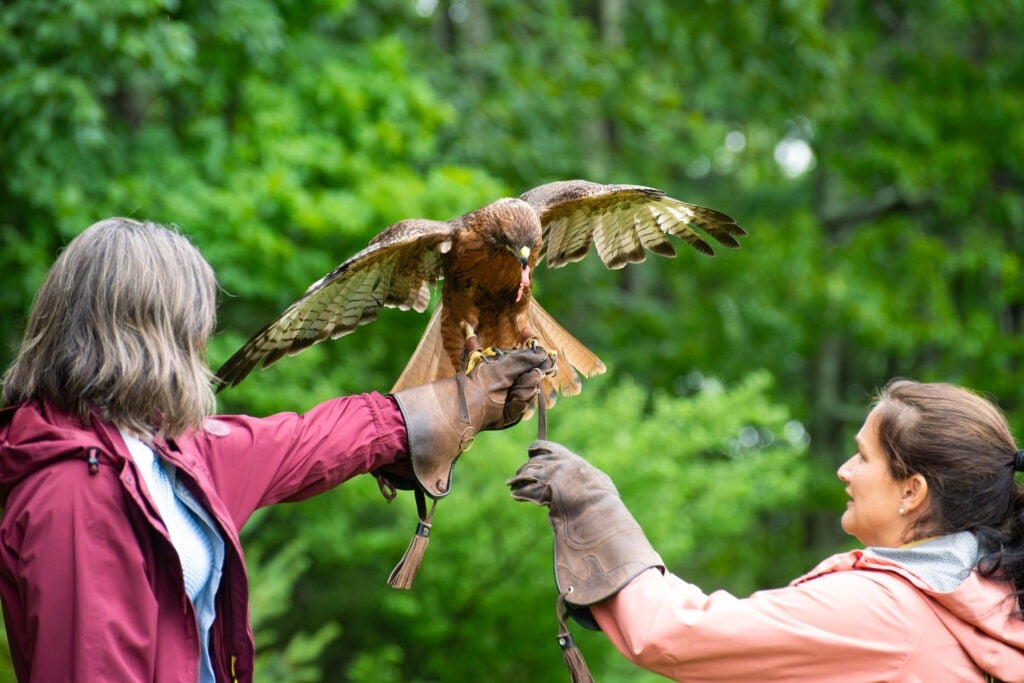
A red-tailed hawk retrieves a reward from a guest’s gloved hand.
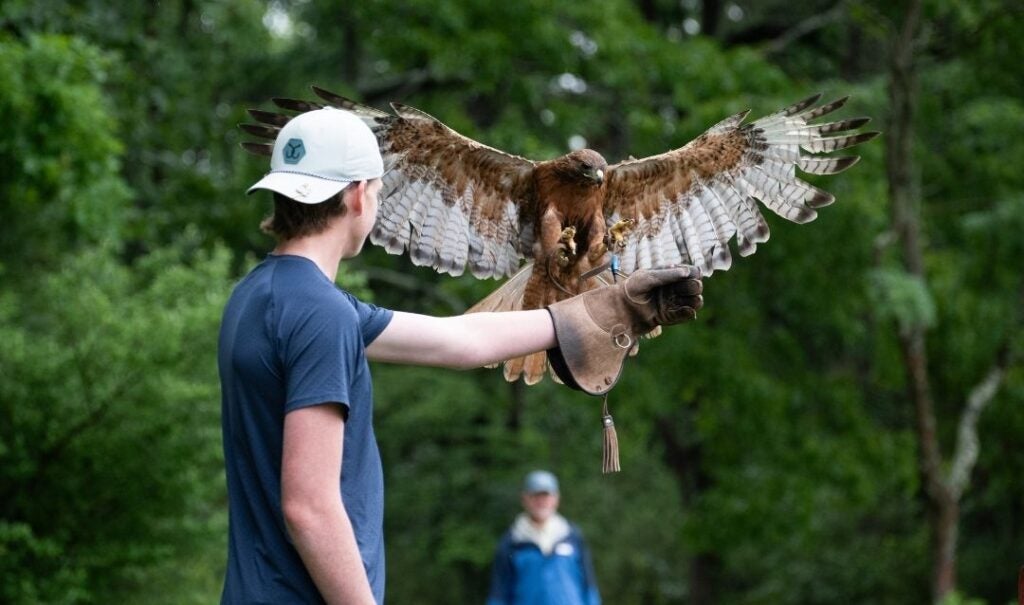
After you’ve had a chance to see the birds up close, you’ll prepare to have one of these majestic raptors fly through the open air to land on your gloved hand. While one falconer holds the bird, the other helps you get into position with a small cube of raw meat to reward the raptor.
“When you’re ready, you’ll bring your arm up to a horizontal position and that signals the bird that it’s time to fly,” explained Samantha. “Our hawks have a 3–4 foot wingspan, so you want to have your arm and hand fully extended to give them plenty of room to land.”
Fun falconry fact:A slightly hungry raptor is much more likely to fly to your glove for a reward than one who’s eaten recently.
Training vs. instinct
As Jeff noted, a bird can sometimes follow their instincts rather than their training, so it’s always possible that a hawk like Ray might decide to fly into the trees around you to investigate something rather than settling on your gauntlet.
Ray, a red-tailed hawk, spent some time in the trees during a recent falconry demonstration.
“If that happens, we’ll work to get them refocused, but we’re not always successful–especially if they’ve spotted potential prey or even a possible mate,” Jeff said. “That’s why our birds wear small bells as part of their harness, so we can hear them in the trees, and light-weight radio trackers in case they go farther afield.”
Fun falconry fact: The falconers once tracked a hawk for three days before they could catch up with it.
Can you find a falcon in Biltmore House?
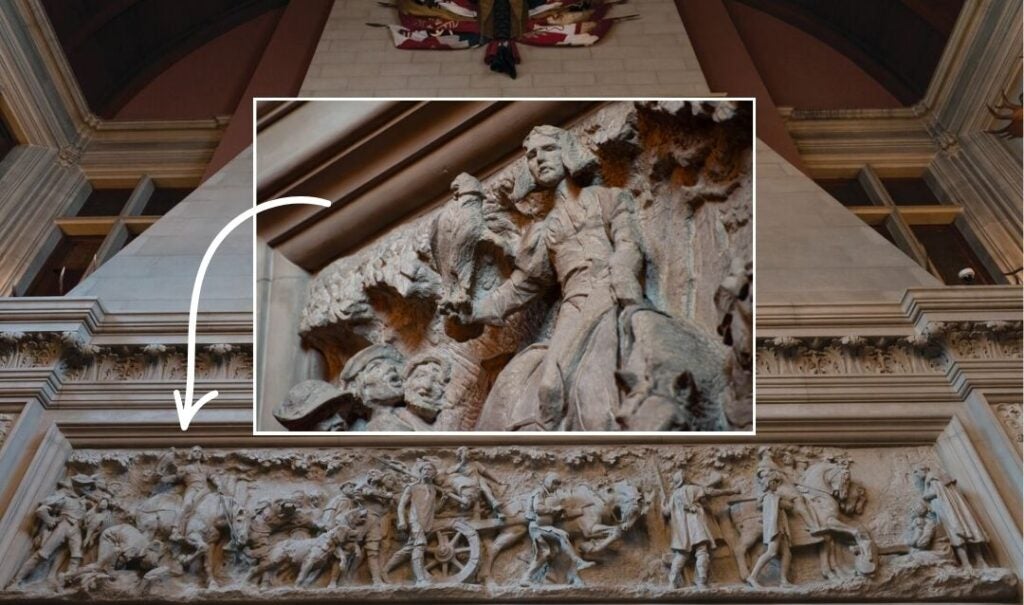
“Return From the Chase,” a frieze carved above the fireplaces in the Banquet Hall, includes a falconer with a hooded falcon on his arm.
While visiting Biltmore House, keep an eye out for a falcon in the grand Banquet Hall. The carved stone frieze above the room’s triple fireplaces shows a scene entitled “Return From the Chase” from Richard Wagner’s opera Tannhäuser. The tallest figure on the left side is a falconer with his hooded hunting partner on his arm. (See inset photo for detail.)
Fun falconry fact: Birds of prey wear hoods to reduce visual stimulationand reduce anxiety, which is safer for both the bird and the falconer. Removing the hood can also act as a cue that it’s time to begin the hunt or flight.
Explore falconry at Biltmore
A red-tailed hawk flies to a guest’s hand during Biltmore’s falconry experience.
“Falconry began in the Middle East and Mongolia more than 6,000 years ago, and continues to be a recognized hunting practice around the world,” said Samantha. “Often called ‘the sport of kings’ and reserved for royalty, it is still a status symbol in some cultures. For us, it’s a wonderful way to introduce you to these spectacular birds and let you learn more about them up close.”
Don’t miss your one-of-a-kind opportunity to interact with these majestic raptors at Biltmore. Reserve your 90-minute falconry experience now by calling 828-225-1425.
NOTE: To purchase this activity, you must have an estate admission ticket, a Biltmore Annual Pass, or a stay at one of the estate’s overnight properties.
George Vanderbilt was an American Renaissance man. He embodied many of the ideals of this period that flourished during his lifetime, and you can still see the influence of the era at Biltmore today.
In honor of America’s 250th birthday celebration in summer 2026, we’ll explore the American Renaissance and George Vanderbilt’s place in it.
What was the American Renaissance?
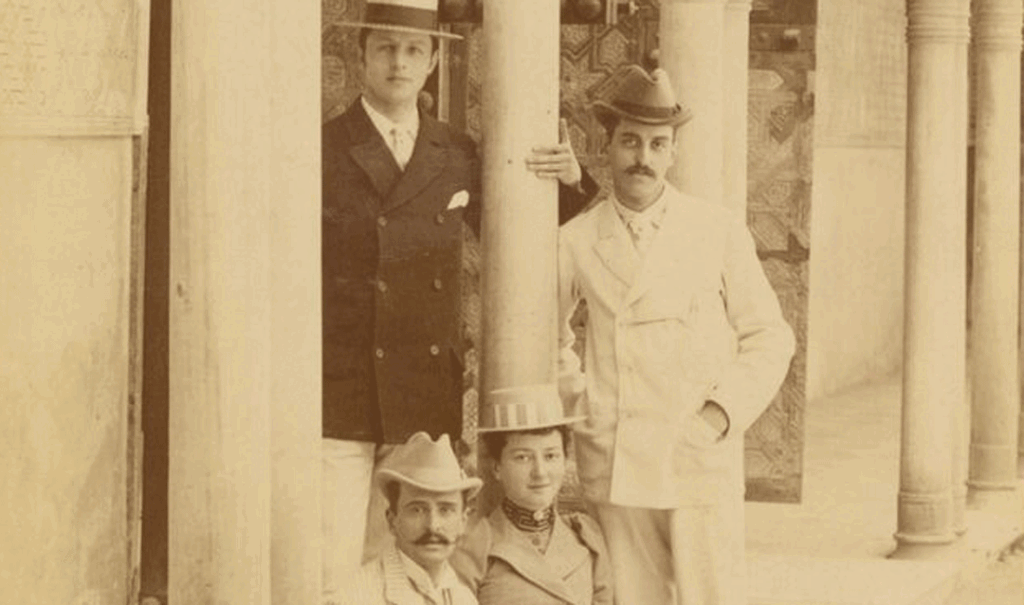
George Vanderbilt (standing, right) traveling in Spain with his cousin Clarence Barker (seated, left), his niece Maria Louisa Schieffelin (seated, right), and her husband William Jay Schieffelin (standing, left), 1891.
In the decades following the Civil War, the United States experienced an optimistic rebirth that mirrored the European Renaissance of the 17th century.
“The American Renaissance was all about developing a national identity of what it means to be American, and part of that was setting up the United States as the successor to the cultural accomplishments of countries across Europe,” said Meghan Forest, Associate Curator.
While the European Renaissance had stirred interest in exploration and experimentation in disciplines such as art, architecture, and science, the American Renaissance awakened a desire to explore classic themes and destinations, drawing inspiration from travels abroad to use at home.
America’s coming of age
The American Renaissance took place in the latter part of the 19th century, marking a renewed confidence in the nation’s outlook with time and attention lavished upon the development of ideas, urbanization, transportation, and new forms of communication.
“It was the American Renaissance that made the Gilded Age possible,” Meghan said. “Innovation in technology, propelled by the intellectual energy of the time, led to industrial growth that gave rise to prominent American families like the Vanderbilts.”
Once such families became wealthy, many contributed to pushing the arts farther than previous generations, so the American Renaissance ushered in the glamorous Gilded Age.
American Renaissance ideals
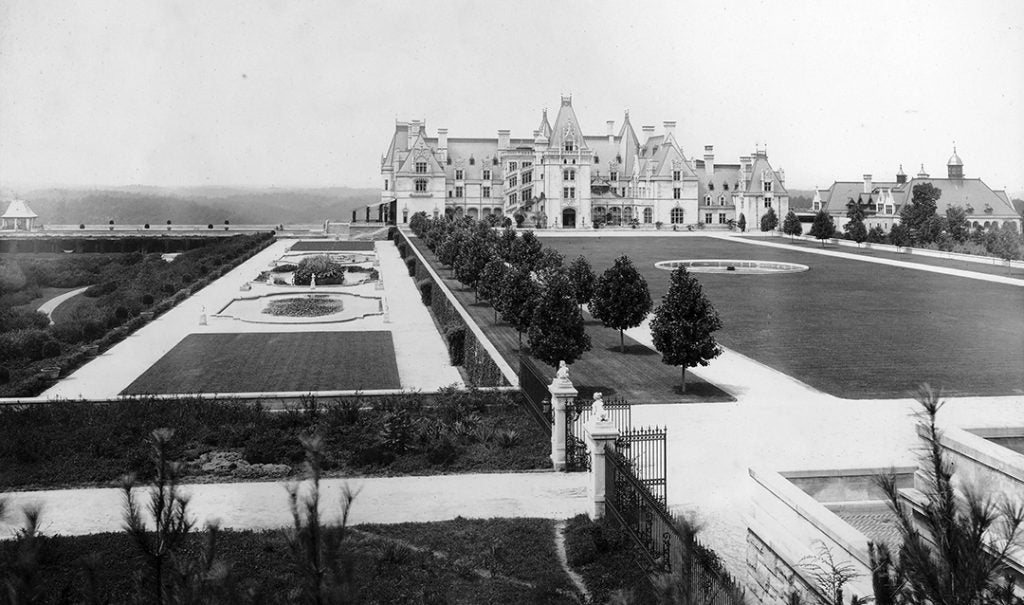
Photograph of Biltmore House and the Italian Garden, ca. 1910
It was during the confluence of both periods that George Vanderbilt first visited Asheville, North Carolina, and became enamored with the area. He envisioned building his new home there, creating a retreat for friends and family that would also showcase his interest in art and literature and house the treasures he collected during his travels.
He retained the services of architect Richard Morris Hunt and landscape architect Frederick Law Olmsted—two of the most influential designers of the American Renaissance era—to create Biltmore House and its magnificent gardens and grounds.
A key theme in Biltmore’s creation and decoration is the search for identity during the American Renaissance. This explains why there is a proliferation of “Americana” in this era: people throughout the country were figuring out what made being American unique.
While drawing on European precedent, the combination of architecture, landscape, and collection at Biltmore is uniquely American in a way that characterizes the Gilded Age. Today’s guests are still invited to reflect on the Gilded Age and America’s history through gardens, architecture, wine, food, farming, and more.
World’s Columbian Exposition
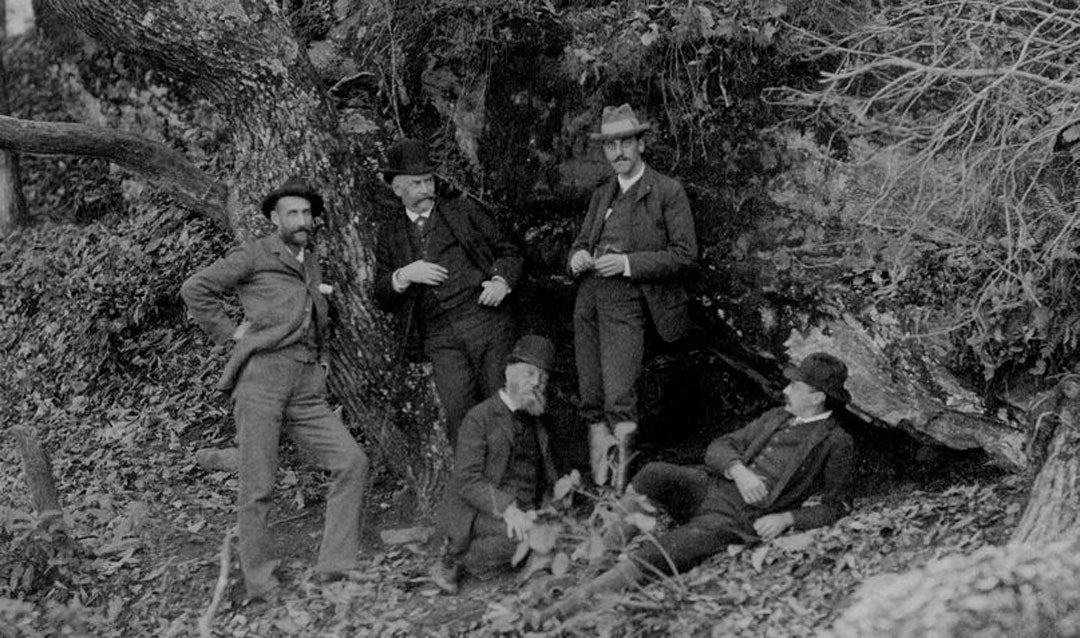
(L-R) purchasing agent and agricultural consultant Edward Burnett, architect Richard Morris Hunt, landscape architect Frederick Law Olmsted, George Washington Vanderbilt, and architect Richard Howland Hunt, son of Richard Morris Hunt, 1892
In 1893, four years after construction began at Biltmore, Chicago hosted the World’s Columbian Exposition. With its remarkable “White City” thoughtfully planned by the nation’s leading designers including Hunt and Olmsted, the extraordinary event further elevated American Renaissance ideals such as world exploration, the experience of different cultures, and new technology like electricity.
With Hunt and Olmsted traveling between Asheville and Chicago during this pivotal time to oversee their roles in both massive projects, it was evident that the Columbian Exposition and Vanderbilt’s new estate shared a common thread: both were created in the regal and fashionable Beaux Arts style that favored neoclassical architecture and European-inspired formal gardens.
“In addition to Hunt and Olmsted’s presence there, we know that George Vanderbilt attended the Columbian Exposition, and that he contributed materials from Biltmore’s managed forestry initiative for estate forester Gifford Pinchot to display,” Meghan said.
According to Biltmore’s curators, the Banquet Hall embodies the American Renaissance more than any other room in Biltmore House. The scale and central location of the Vanderbilt family coat of arms in the center of the overmantel is complimented by distinct American iconography: revolutionary flags and flags purchased at the Columbian exposition that put the founding of America firmly at the heart of this massive space.
Meaningful travel
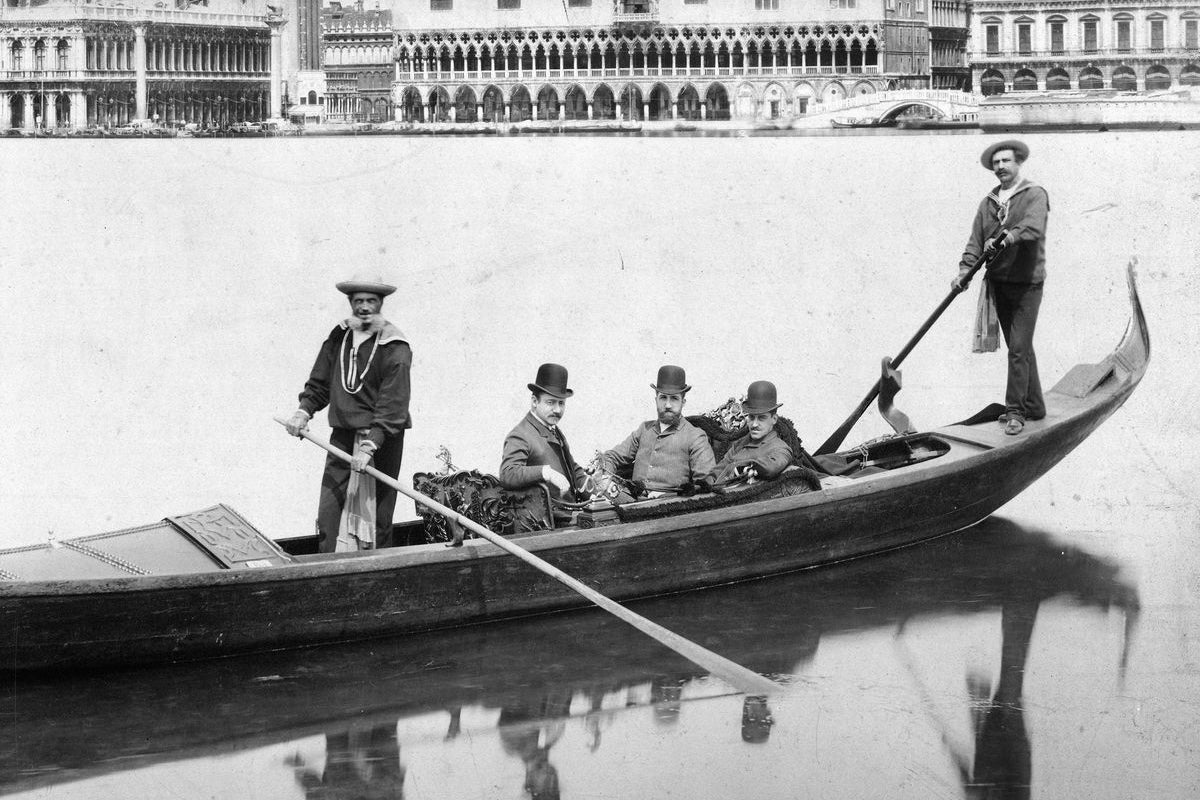
George Vanderbilt (seated, third from left) with unidentified gondola companions in Venice, 1887.
Like many other wealthy Americans of the era, George Vanderbilt traveled extensively, and his trips to Europe, India, and Japan helped fuel his appreciation of history, architecture, and culture.
In particular, his sojourns to Rome, Venice, Milan, and Florence—the epicenter of the Italian Renaissance—gave George Vanderbilt a passion for all things Italian, leading him to choose Italy as a romantic backdrop for the first six weeks of his and Edith Vanderbilt’s four-month European honeymoon.
Included with estate admission, you can learn more about the family with The Vanderbilts at Home and Abroad exhibition hosted at The Biltmore Legacy in Antler Hill Village.
Vanderbilt’s lasting legacy
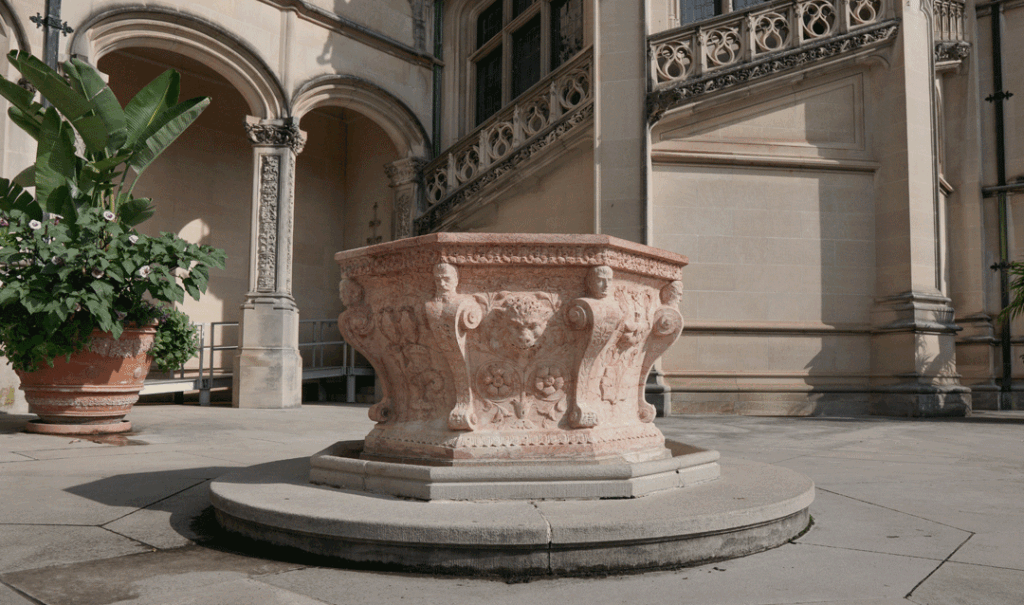
Made of Rosso di Verona marble, this fountainhead was likely originally used to decorate and
protect an active well in Venice during the Italian Renaissance, c. 1500. It has become known as the “Hunt fountain” as it is depicted in the John Singer Sargent portrait of Biltmore House architect Richard Morris Hunt.
The appreciation of man and his capabilities flourished during the American Renaissance, and the nation felt uniquely positioned to take a leading role in the global arena. George Vanderbilt personified the outlook of this important period in our nation’s history. As a true American Renaissance man, his contributions continue to stand the test of time, including his active patronage of the arts.
Today, you can explore lingering expressions of the American Renaissance with a visit to Biltmore Estate in Asheville, NC. Highlights include Biltmore House, still filled with many of the more than 50,000 objects in Biltmore’s collection, plus 75 acres of exquisitely landscaped and preserved formal gardens that gradually give way to meadows, fields, and managed forests surrounding the property.
Experience an American icon for yourself
Plan your visit to surround yourself with the architecture, travel, and art of the American Renaissance, and make your time with us even more unforgettable with an overnight retreat at one of our distinctive lodging properties: Village Hotel on Biltmore Estate®, The Inn on Biltmore Estate®, or our historic private Cottages on Biltmore Estate™.
If blueberry scones paired with lemon curd sounds like a delicious treat any time of day, you’ll appreciate this easy recipe from the talented pastry chefs at The Inn on Biltmore Estate®.
Whether you’re ready for breakfast, brunch, or a relaxing cup of tea in the afternoon, nothing tastes as good as homemade blueberry scones warm from the oven served with your own made-from-scratch tangy lemon curd. Want to make it even more indulgent? Pair the scones with our off-dry Biltmore Estate® Limited Release Gewürztraminer featuring slightly spiced notes of melon and key lime, or your favorite Biltmore sparkling wine.
Servings: 8 large scones or 16 small scones
Ingredients
BlueberryScones 1½ cups all-purpose flour 1½ teaspoons sugar ½ teaspoon baking powder ½ teaspoon salt 2/3 cup butter ¾ cup dried blueberries ¾ cup heavy cream Zest of half a lemon Lemon Curd 5 egg yolks 1 cup lemon juice 1 cup sugar 1/3 stick butter
Instructions
For the lemon curd, combine the egg yolks, lemon juice, sugar, and butter in a double boiler. Cook over simmering water until thickened, whisking constantly. Strain through a fine sieve into a bowl. Place the bowl in an ice bath to chill.
For the scones, preheat the oven to 350 degrees. Combine the flour, sugar, baking powder, and salt in a mixing bowl and mix at low speed using a paddle attachment. Add the butter and mix well. Add the dried blueberries and lemon zest, then the cream, pulsing just until the dough comes together. Do not overmix.
Turn out the dough onto a floured surface and cut into triangles. Place on a lined baking sheet and brush with additional cream. Bake until the edges are golden brown, about 15–25 minutes depending on size.
Biltmore® Grown Honey enhances any recipe whether you use it as an ingredient or for a finishing touch on top.
Summer is the season for outdoor fun at Biltmore Estate in Asheville, NC, and your choices are as plentiful today as they were for the Vanderbilt family and their guests more than a century ago!
Whether it’s your first time visiting Biltmore or you’re an Annual Passholder planning a return, here’s a look at a few of our favorite ways you can vacation like a Vanderbilt this summer by exploring the great outdoors at Biltmore. And don’t forget that kids are free during summer, so the whole family can explore and make memories together!
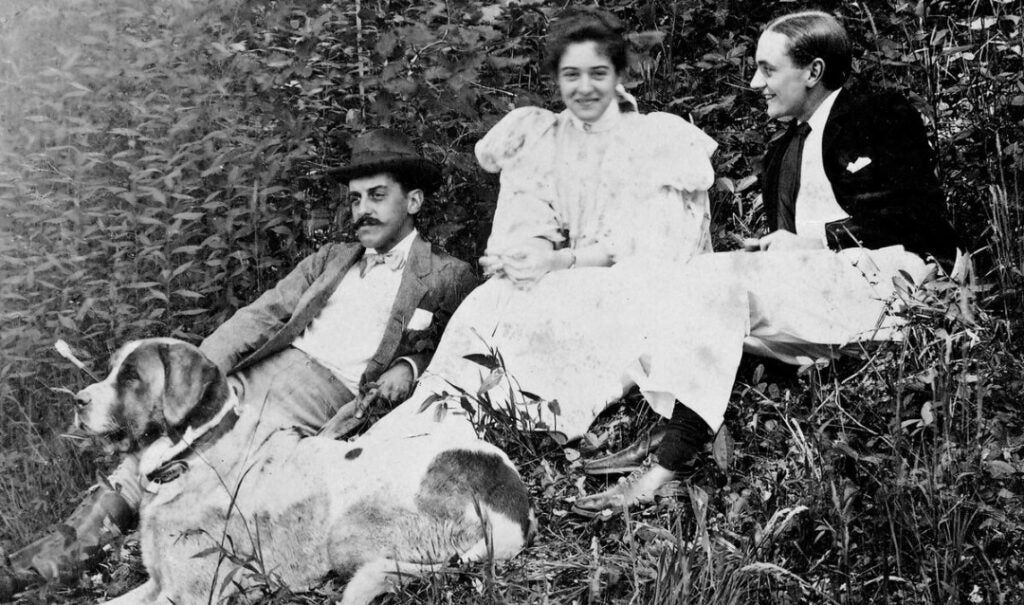
George Vanderbilt (left) enjoying a summer day at Biltmore with his niece Adele, her husband Jay Burden, and a St. Bernard, June 1896
A grand getaway for summer fun
When George Vanderbilt chose the mountains of western North Carolina as the setting for his country estate in the late 1800s, he sought an antidote to the social pressures and hectic pace of New York City. With Biltmore, he created a retreat where family and friends could relax and immerse themselves in the area’s natural beauty during the summer.
The Vanderbilts offered tennis, croquet, archery, fishing, horseback riding, golf, swimming, “automobiling,” and lawn bowling in the formal gardens and landscaped grounds surrounding Biltmore House.
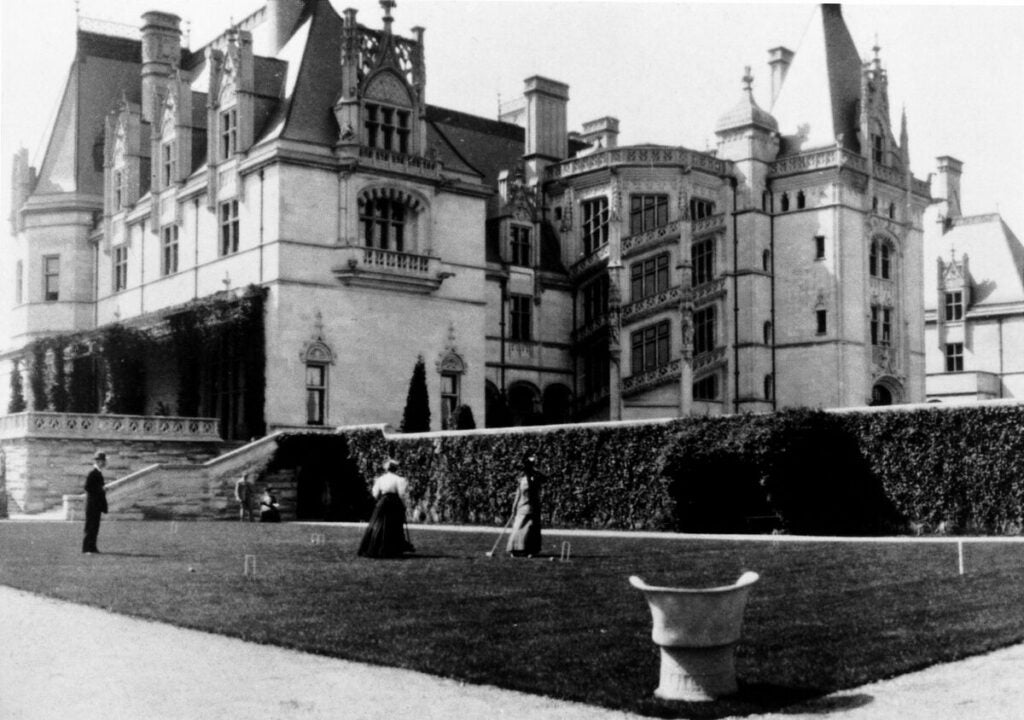
Guests in 1905 play croquet in the Italian Garden.
Get ready for games
The family welcomed hundreds of guests to Biltmore House through the years. And with all the amenities of a luxury resort, it’s no wonder they stayed for weeks at a time! The combination of the elegant French château, gently rolling hills, and mild weather captured the imagination. Spring and summer lured the hosts and their friends outdoors to play. A dazzling array of activities appealed to nearly every taste and whim, including croquet in the Italian Garden.
How you can experience this: During your summer visit, make sure to spend time in Antler Hill Village, where you’ll find seasonal demonstrations, games, and activities offered at our Outdoor Adventure Center, Bike Barn, and Antler Hill Barn.
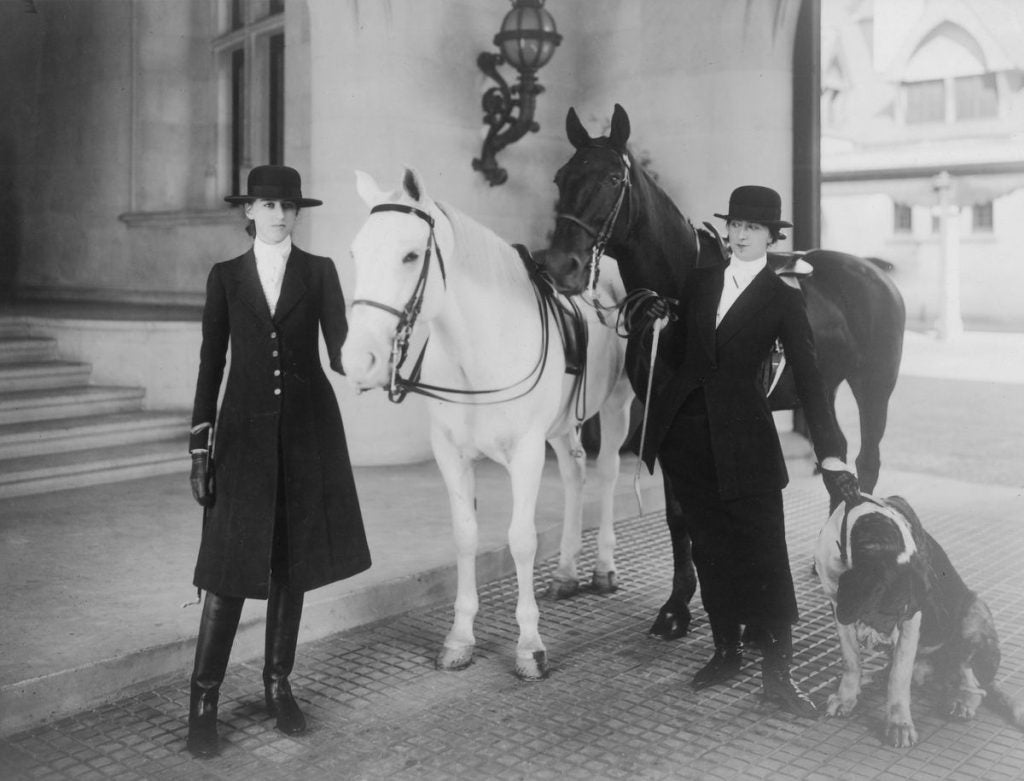
Cornelia and Edith Vanderbilt in Biltmore’s stables, c. 1917
Head out on horseback
George Vanderbilt descended from a family famous for its love of racing and raising horses. Coaching and riding were always favorite recreational activities. Cornelia grew up riding horses, and for a time, she even had a donkey to ride. It’s tough to find a more exciting and beautiful way to see the estate than from the back of a horse.
How you can experience this: Explore the estate’s scenic views on horseback through guided trail rides or with a leisurely carriage ride around the grounds.
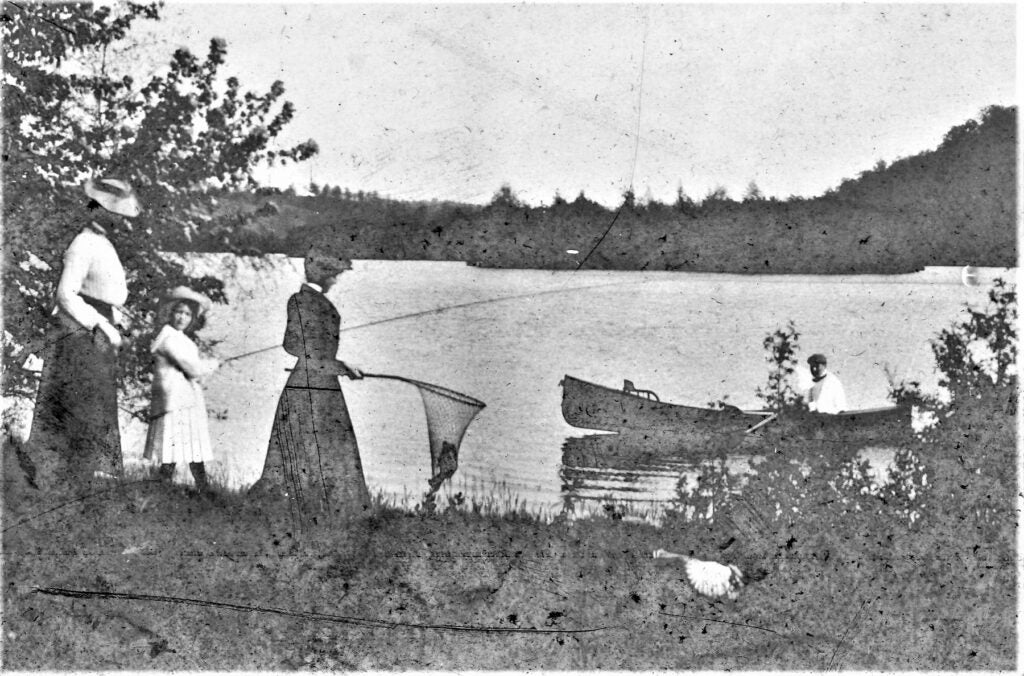
Edith and Cornelia fishing at the Lagoon.
Reel summer fun
Edith was known to be an avid fisherwoman. She often gave fishing parties at Biltmore, and daughter Cornelia fished right alongside her. Our archives note that the family enjoyed hikes into the forest and across estate ridges during the summertime. George Vanderbilt himself loved to get out in the woods and see the estate on foot.
How you can experience this: All estate admission types, including Annual Pass memberships and overnight stays, make our estate grounds easily accessible for you to soak up summer’s longer days with leisurely strolls, bike rides, or hikes to explore the very same scenery George Vanderbilt and his family saw back in their day.
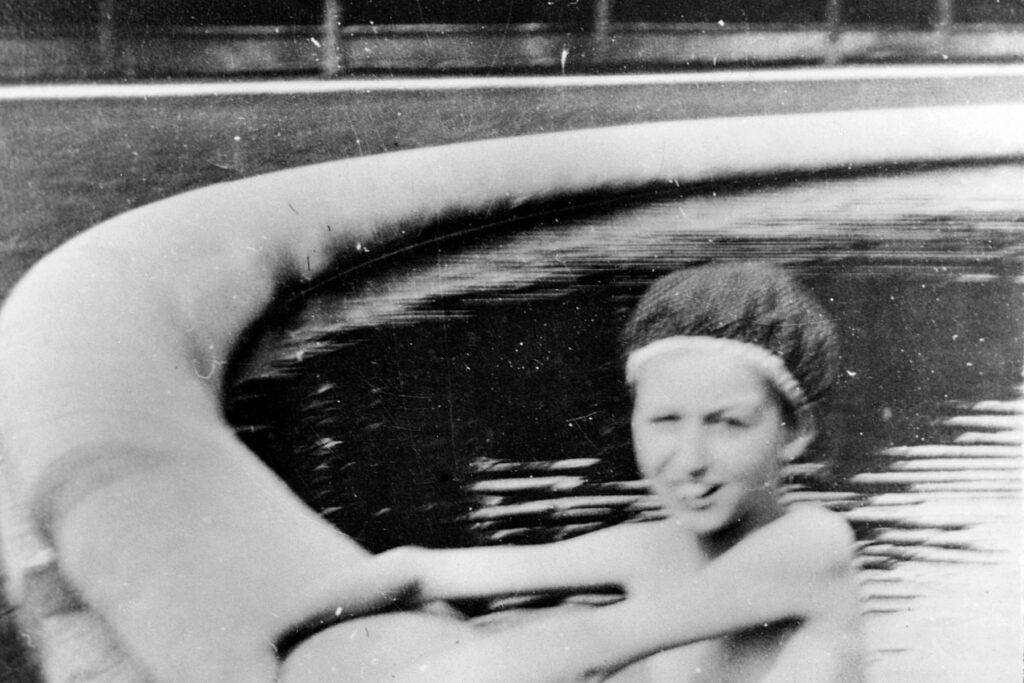
Cornelia Vanderbilt swimming in Front Lawn fountain.
Make a splash
As a little girl, Cornelia Vanderbilt splashed around in the front lawn fountain! Later, as a young woman, she entertained guests poolside on the South Terrace.
How you can experience this: The pool is no longer on the South Terrace, but both The Inn and Village Hotel on Biltmore Estate have swimming pools surrounded by beautiful scenery that are open during summer and are calling your name.
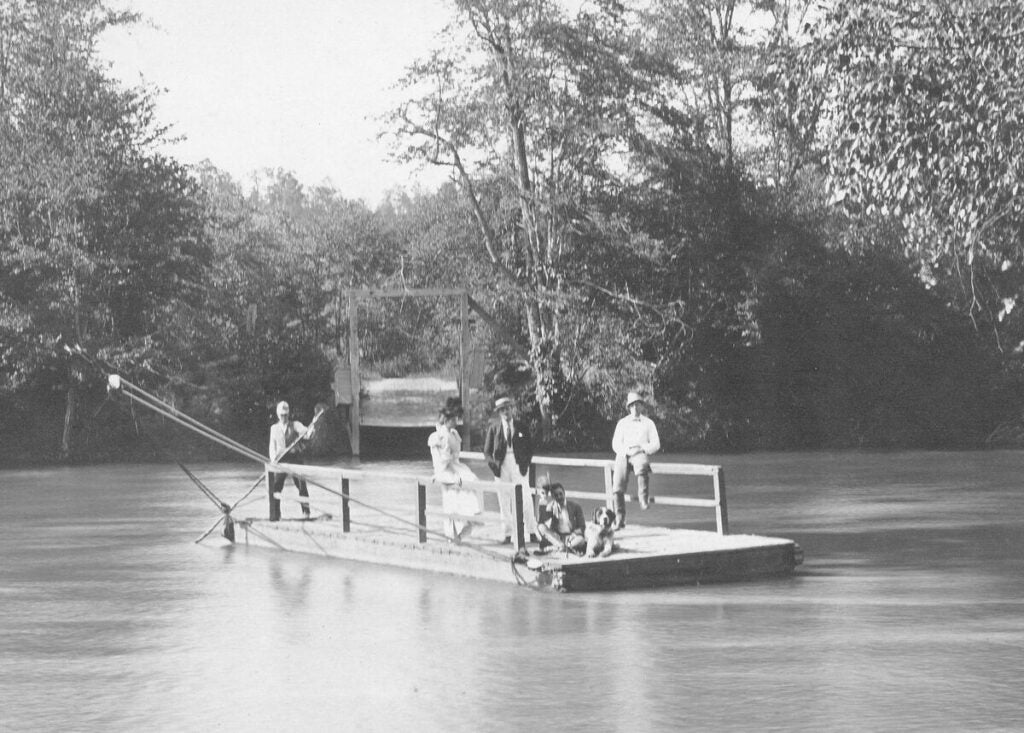
George Vanderbilt (seated) and friends crossing the French Broad River on a ferry, circa June 1896.
Rolling on the river
From the late 1800s through the 1970s, a ferry traveled back and forth across the French Broad River, bringing passengers from the farming operations on the west side of the estate to Biltmore’s main dairy facility, where the Winery is located today. The Vanderbilt family and their guests used the ferry when they ventured to the west side, and employees used it to haul lumber and farm products.
How you can experience this: You can explore the scenic views of this wide river that runs through the estate by walking or biking on easy trails that offer beautiful views. Download our Trail Map or visit the Bike Barn in Antler Hill Village for bike rentals and information on outdoor activities.
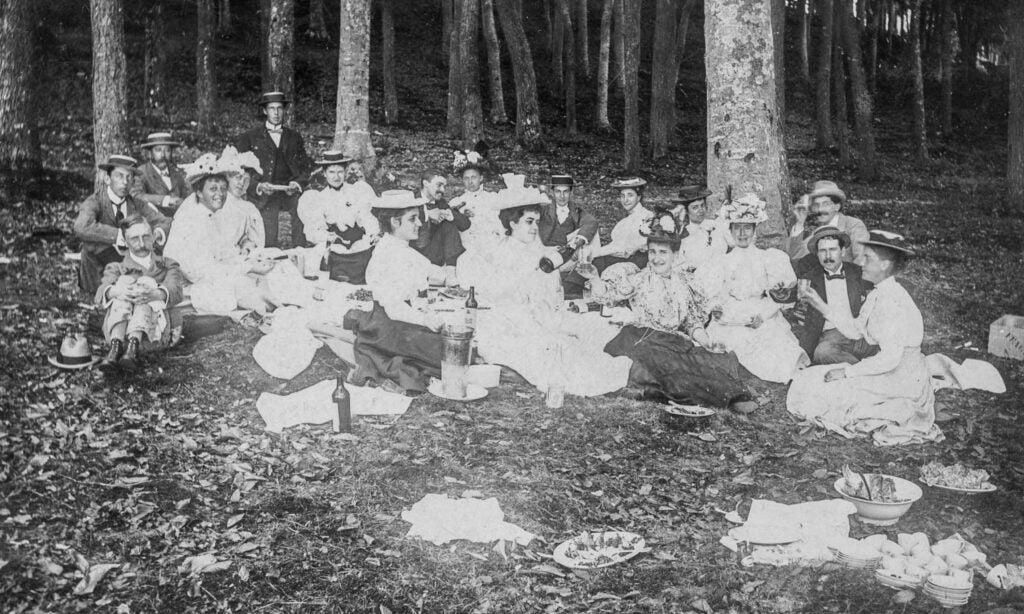
Pauline Dresser (far right), Edith Vanderbilt’s sister, attending a summer picnic in Langrolay-sur-Rance, France, 1895.
Pack a summer picnic
Whether they stayed on Biltmore Estate or traveled to a nearby scenic spot, picnicking for the Vanderbilts and their guests was a much more extravagant outdoor activity that included dining with real china and glassware and sitting atop cushions beneath a tent or shade.
How you can experience this: You are invited to head out and enjoy a more modest picnic on the estate grounds. Enjoy our great outdoors when you pack your own picnic (see policies) or set out with a chilled bottle of Biltmore Wine and some perfectly paired snacks from one of our estate shops or restaurants to enjoy. You can also find a good spot to relax, listen to live music, and hang out with friends and family in Antler Hill Village.
Savor summer like a Vanderbilt
Explore more of our 8,000 acre estate this summer with free admission for kids.
Summer fun is just a hop, skip, and jump away! From ancient wonders to modern marvels, every day is an invitation to savor summer’s longer days as you connect, unwind, explore, and make memories to last a lifetime.
Plan your visit to join us this summer on George Vanderbilt’s 8,000-acre Blue Ridge Mountain getaway, just as it was intended. For even more Vanderbilt-inspired fun, linger longer with summer days and overnight stays on our historic estate, or join our Passholder family.
Fashion en fleur ended May 21, 2026. Please enjoy this archived content about the display.
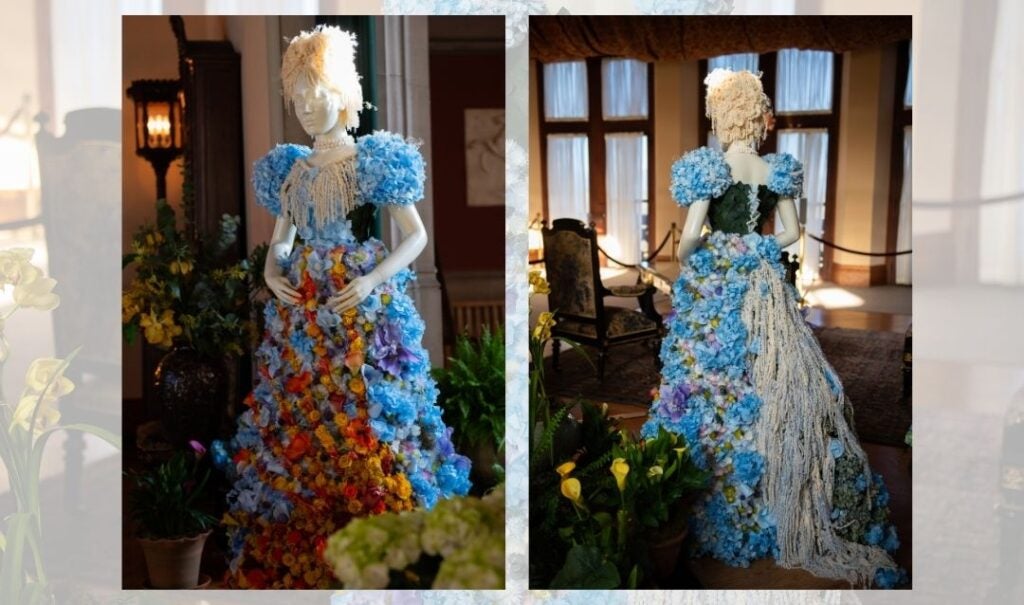
Fashion blooms at Biltmore this spring! Join us now through May 21 for Fashion en fleur featuring floral arrangements in Biltmore House and several “surprise guests” whose grand Gilded Age costumes are created entirely from beautiful botanical elements.
Finding fashion cues
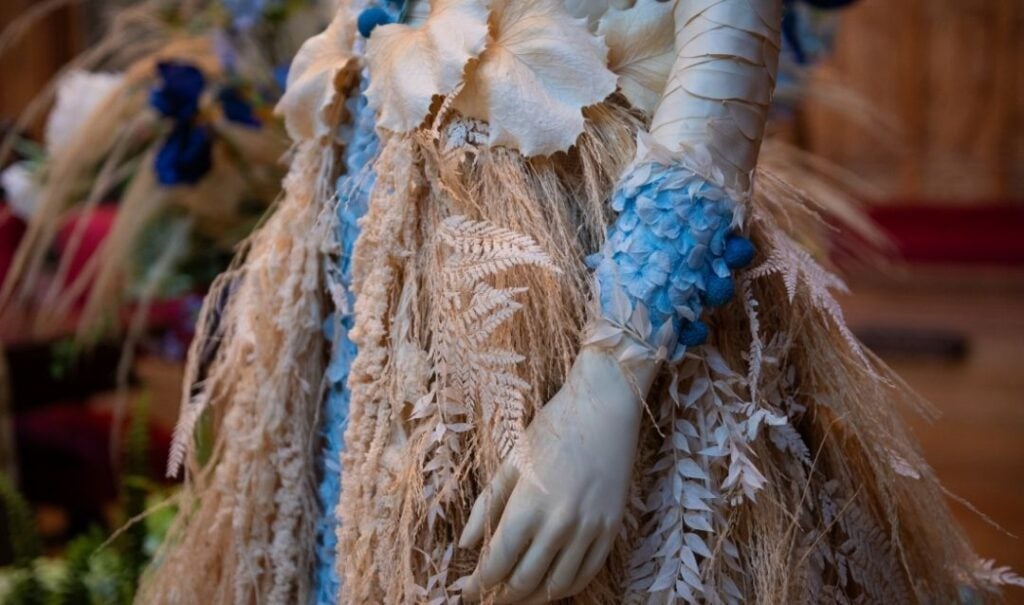
Each floral figure features exquisite botanical details, like these hydrangea “cuffs” on the dress in the Banquet Hall.
In preparation for spring and the creation of Fashion en fleur, the Floral team met with Lori Garst, Curator, to learn more about fashion during the Vanderbilt era at Biltmore.
“We worked with Lori to learn about different silhouettes that were popular and how they changed over time, as well as styles that would have been worn at Biltmore for different activities at different times of day,” said Lizzie Whitcher, Floral Manager.
Fanciful fashion
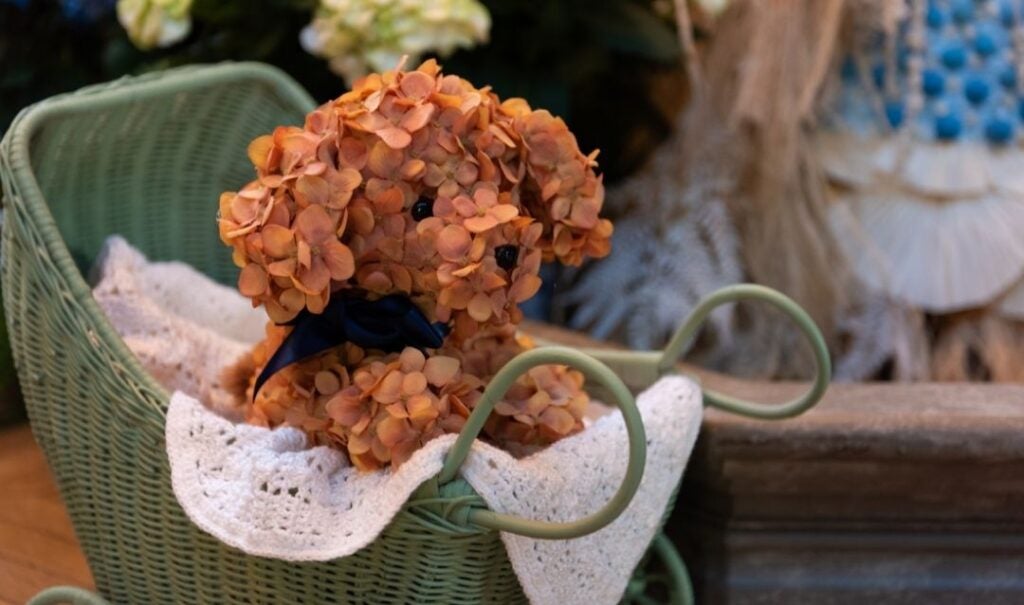
An adorable puppy made of dried hydrangeas accompanies the floral figure in the Banquet Hall.
Though the shapes and styles of the costumes are authentic, the Floral team took a fanciful approach to interpret them, hoping to surprise and delight guests with these art pieces. Botanical material was used to create every detail, from hair and hats to trims, shoes, and even a puppy!
Billiard Room
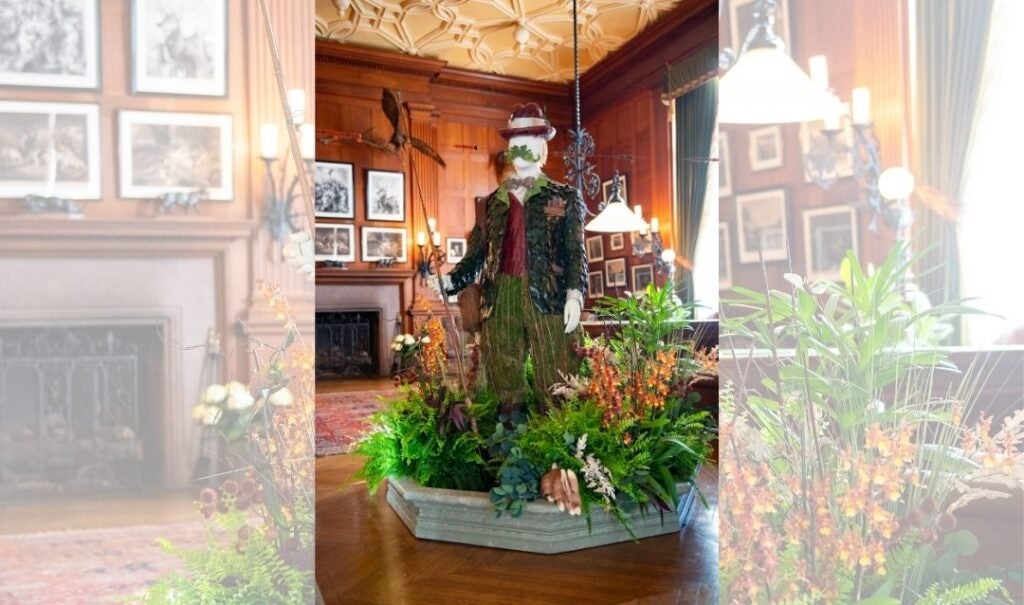
For the Billiard Room, Don and Laura designed a gentleman who is dressed for the outdoors, wearing a homburg hat and carrying a fishing pole. The materials used include dried willow reeds, magnolia leaves, moss, birch bark, red eucalyptus leaves and feathers. He is surrounded with fresh potted ferns.
Dressed for the sporting life, you’ll find this floral fellow in the Billiard Room, complete with a botanical bunny at his feet!
Fun fact: Look for little botanical insects, butterflies, and a bunny around this fashionable fellow.
Banquet Hall
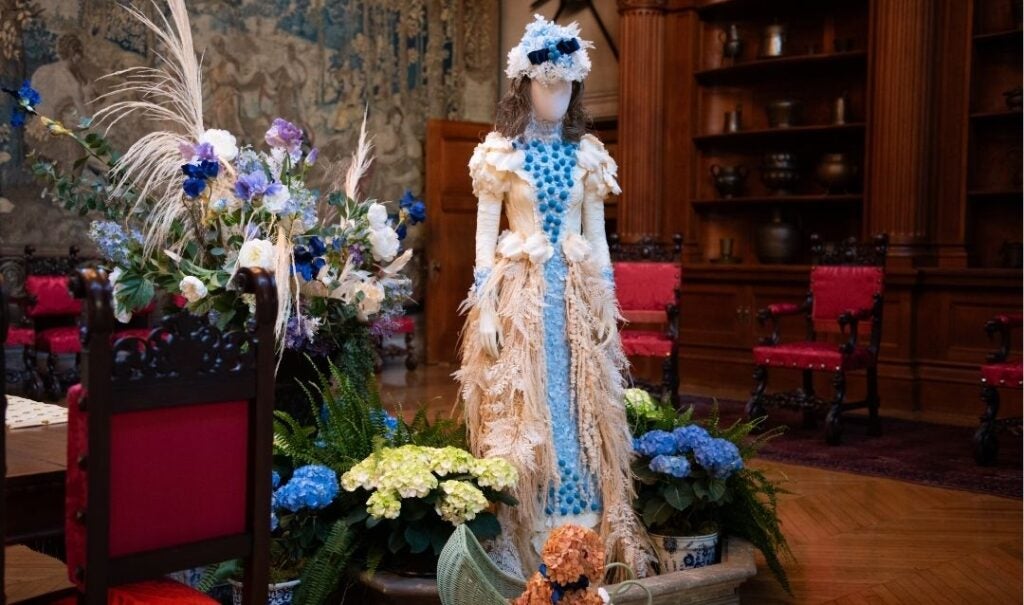
Team members Joslyn and Marcie created the lovely lady in the Banquet Hall. Her Gilded Age-style gown is designed with blue craspedia, blue and gold hydrangea, bleached palms, Italian ruscus, hanging amaranthus, star fern, queen flower, willow eucalyptus, and star flower.
For this “Fashion in fleur” display, the Floral team created a stunning costume and a sweet botanical companion!
Fun fact: This floral figure stands in a garden with a plant-based puppy the team playfully named Gigi.
Morning Salon
Designed by Callista and Sophie, the floral figure in the Morning Salon wears a costume based on an actual House of Worth dress that features a sun pattern radiating up the skirt. They used blue and green hydrangea, populus eucalyptus, spiral eucalyptus, button flower, preserved roses, Indian paintbrush, orange strawflower, hanging amaranthus, bleached gypsophila, red yarrow, red starflower, red plumosum, and bleached bullet flower to create the striking design.
This floral figure in the Morning Salon wears a botanical gown based on an actual House of Worth design featuring the rays of the sun across the front of the skirt and beautiful details in back.
Fun fact: The floral designers drew colors from the Monet paintings in the Morning Salon.
Tapestry Gallery
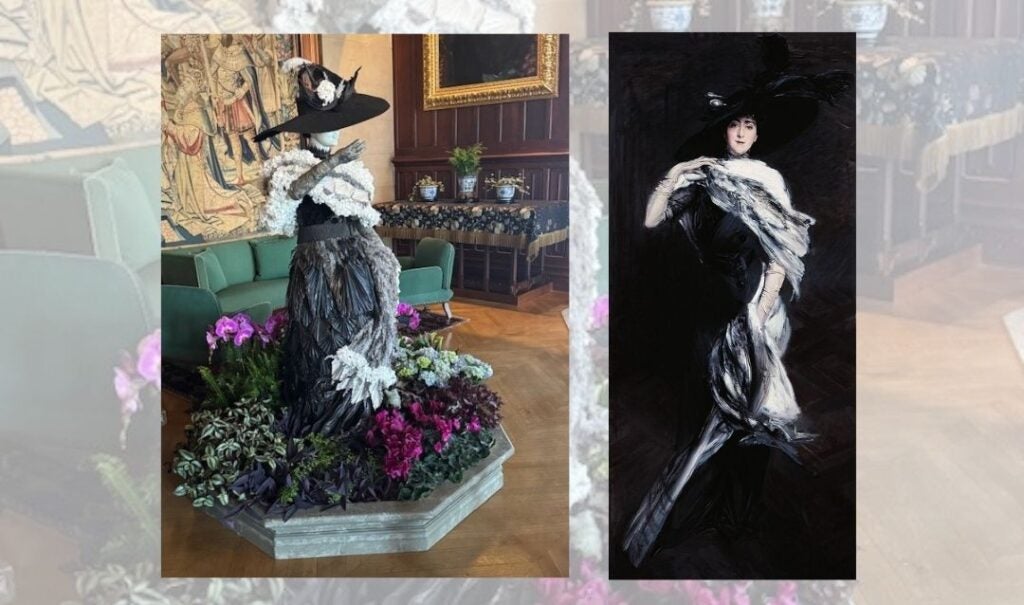
In the Tapestry Gallery, Whitney designeda stunning costume that captures the beauty and sense of movement in Edith Vanderbilt’s dramatic dress and wrap in her 1910 Boldini portrait that hangs nearby. Materials include black rose petals, ferns, white oak leaves, bleached hydrangea, blackbeard wheat, star fern, anahaw leaves, dried sun palms, reindeer moss, strawflower, and staavia.
A floral figure (left) in the Tapestry Gallery captures the dramatic look of Edith Vanderbilt’s 1910 portrait (right) by Giovanni Boldini.
Fun fact: Artist Giovanni Boldini was the known as the “Master of Swish” for the way he painted flowing draperies.
Second Floor Living Hall
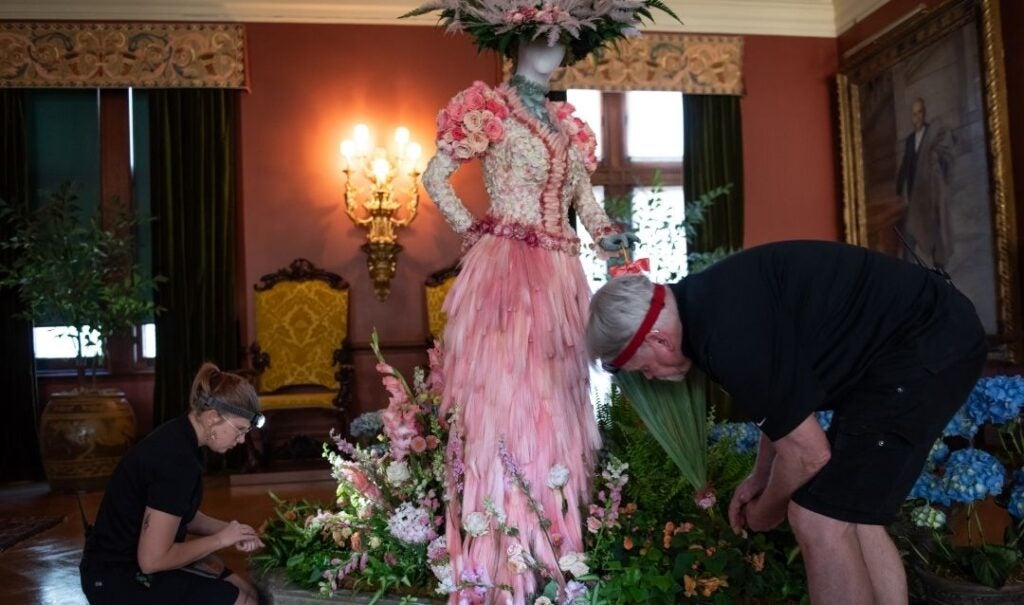
Fiona and Nikki designed the Second Floor Living Hall dress based on a classic “Gibson Girl” silhouette. This fashionable lady is designed with preserved roses, bunny tails, hydrangea, pampas grass, green sable grass, elephant reed, reindeer moss, pink gypsophila, and parchment fern. Although the materials are all preserved or dried, the lower part of her train will be changed out each week with fresh flowers. Doesn’t she look ready to sweep down the Grand Staircase and go for a garden stroll with her parasol?
Floral team members put finishing touches on the “garden” that surrounds the Gibson Girl floral figure in the Second Floor Living Hall.
Fun fact: The Gibson Girl fashion style symbolized an ideal “new woman” who signaled a change from the more restrictive Victorian era.
Plan your spring visit now
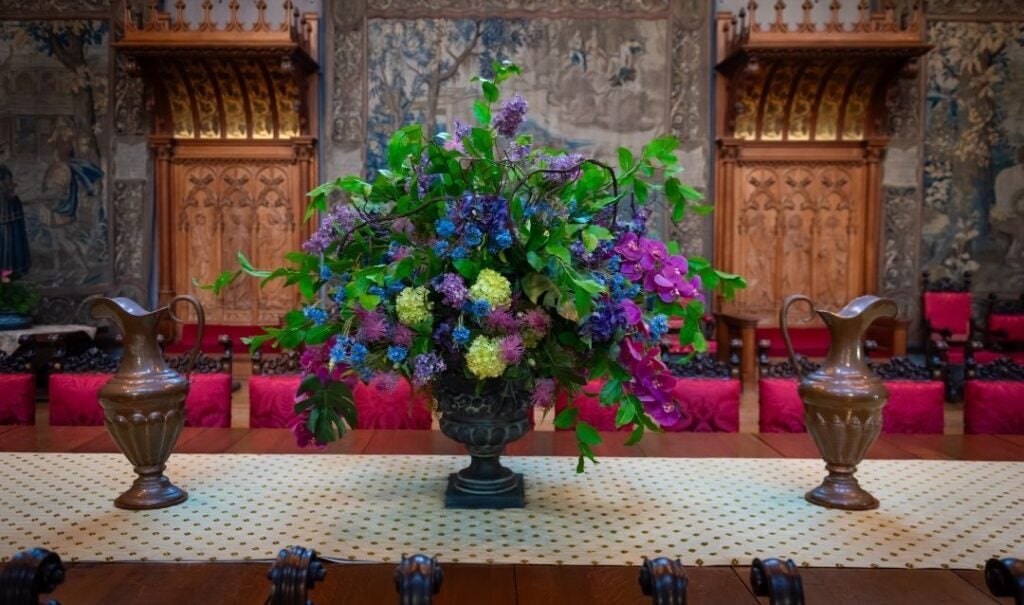
In addition to our fashionable floral figures, you’ll also enjoy stunning spring arrangements as part of Fashion en fleur.
Spring is the perfect season to visit Biltmore to find our gardens in bloom, enjoy Fashionen fleur, and so much more!
Luminere was hosted at Biltmore March 26–October 18, 2026. Please enjoy this archived content about the experience.
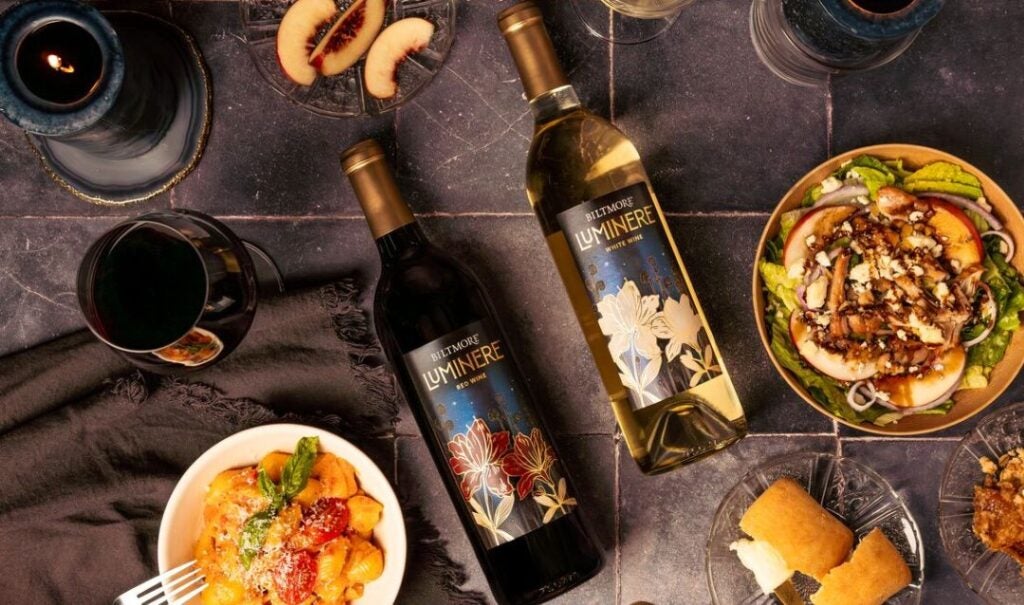
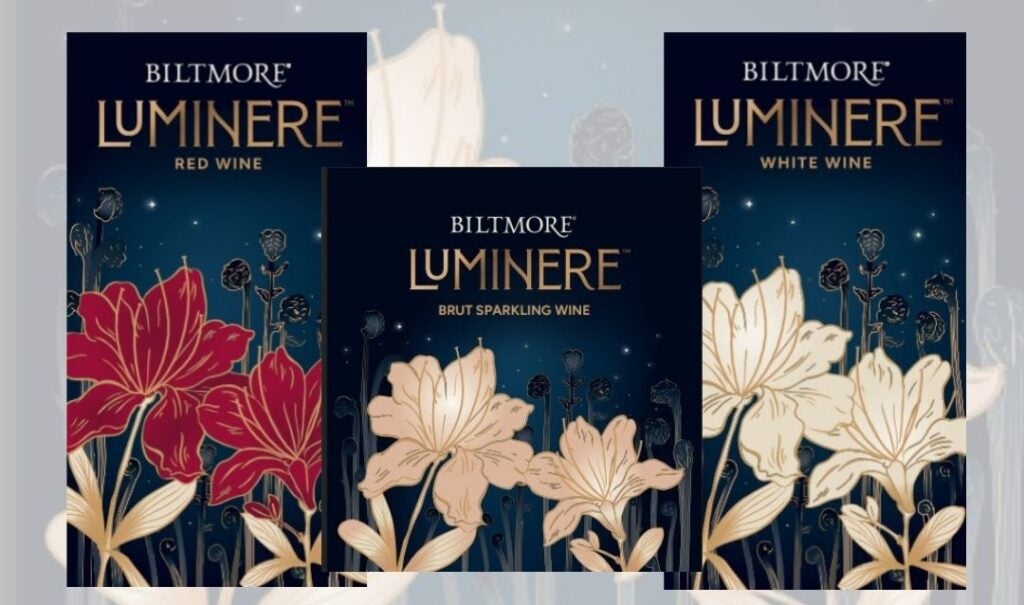
Taste Biltmore like never before with Luminere™ Red, White, and Sparkling Wines, inspired by our new Luminere™ evening light and sound experience. Whether you’re a curious explorer or a connoisseur, Biltmore’s Luminere wines invite you to savor every note and nuance.
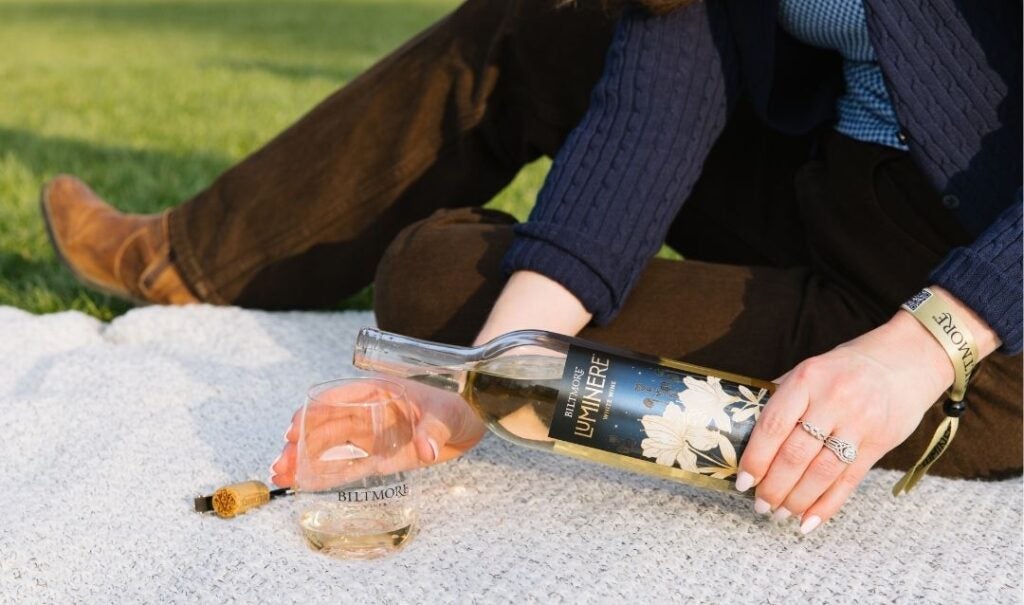
Luminere wines are handcrafted to pair perfectly with your favorite flavors!
“When I first started developing the Luminere wines, I wanted them to express the same kind of warmth and comfort that I expected the Luminere event itself to create, like seeing a lighted path that shows the way home on a dark night,” said Sharon Fenchak, Executive Winemaker.
With that image in mind, Sharon began handcrafting three distinctive new wines: Biltmore Luminere Red, Biltmore Luminere White, and Biltmore Luminere Sparkling.
Biltmore Luminere White Wine
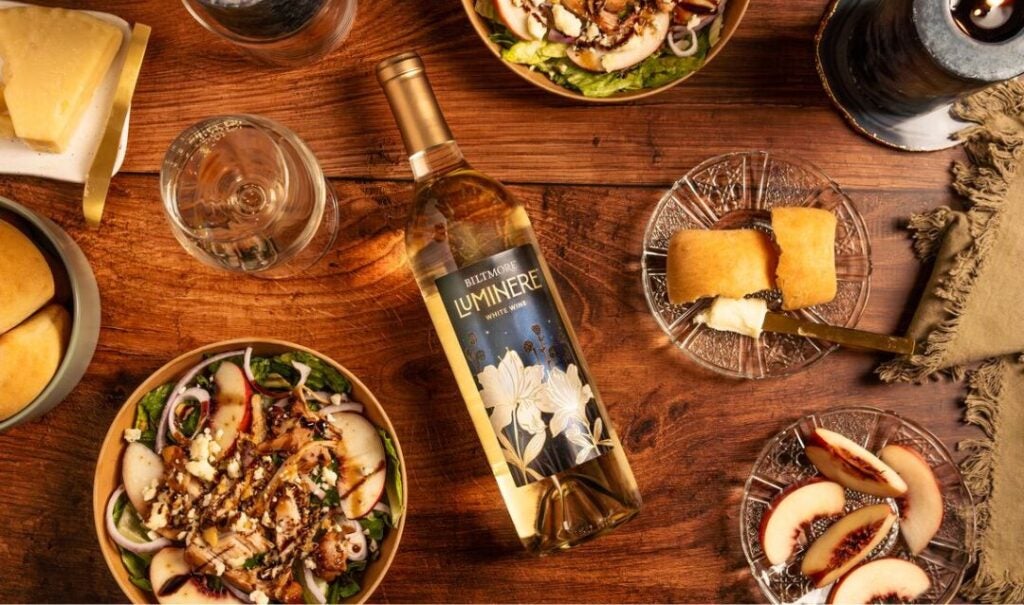
Enjoy Luminere White Wine with summer fare including seafood and salads.
For Luminere White Wine, the foundational is a classic crisp Grenache Blanc with slight aromatic notes. Medium-bodied and versatile, it features bright notes of white peach, Meyer lemon, and tangerine with a subtle caramel undertone that complements summer salads, Crab Louie salad, grilled veggies, sushi, mahi-mahi, and lemon tarts.
Biltmore Luminere Red Wine
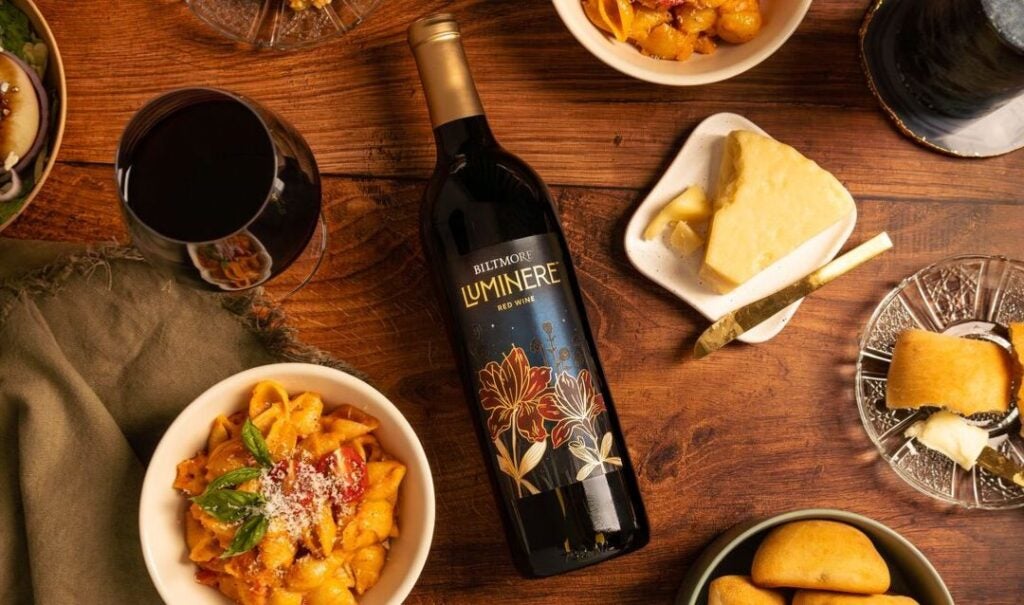
Pair Luminere Red Wine with hearty dishes like grilled chicken and tomato-based favorites.
Fruit forward and approachable, our medium-bodied Luminere Red Wine offers delicious notes of wild raspberry, plum, vanilla, and welcoming oak. This dry red wine is a delightful blend of spicy Sangiovese and other robust reds, with hearty tannins that make it a perfect partner for seared tuna, roasted chicken, and tomato-based dishes.
Biltmore Luminere Sparkling Wine
Enhance your evening experience with Luminere Sparkling Wine.
“For Luminere Sparkling Wine, I knew we needed a brilliant bubbly that could be part of an unforgettable Luminere evening on the estate as well as a perfect partner for entertaining at home,” Sharon said. “We crafted it with a versatile Brut profile so you can enjoy it with a variety of foods, from brunch offerings such as deviled eggs, crab cake, and foie gras to seafood alfredo and desserts like cheesecake, lemon pound cake, and fresh berries.”
Like all Biltmore sparkling wines, Luminere Sparkling is handcrafted in the traditional méthode champenoise that creates the finest tiny bubbles.
“With Luminere Sparkling, you’ll taste Biltmore in a whole new way as you sip it with sunsets and pair it with picnics any time of year,” said Sharon.
Luminere wine labels
The labels were inspired by the beauty of spring azaleas and other blooms dreaming under starry skies.
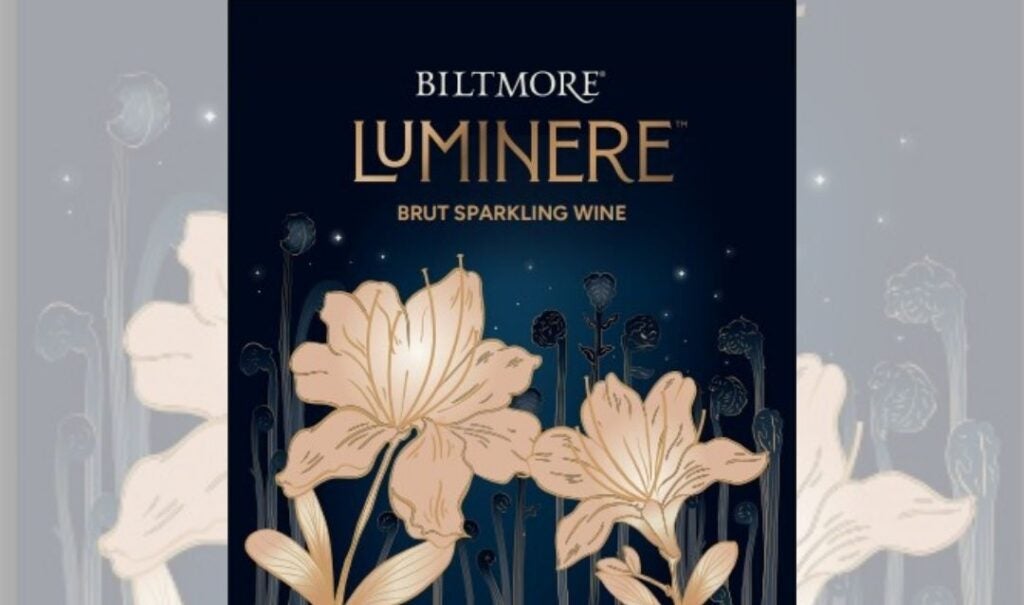
Handcrafted to pair perfectly with the wonders of our Luminere evenings on the estate, all three Luminere wine labels feature gilded azaleas and delicate ferns that capture the enchantment of our Luminere evenings under the stars in Biltmore’s gardens.
“We wanted a fresh botanical feel for each label because so many of our historic garden areas are illuminated during Luminere evenings. A local designer took inspiration from the blooms in Biltmore’s beautiful Azalea Garden to design a label including floral details and sparkling stars on a deep blue background,” Sharon said. “Look for white azaleas on the white wine label, red azaleas on the red wine label, and pearlescent azaleas for the sparkling wine.”
Biltmore wines and Luminere: A perfect pairing
Biltmore wines pair perfectly with our Luminere evening experience!
From the golden hour of sunset on the estate to delicious picnics, spectacular illuminations, and incredible memories under starry skies, Biltmore wines pair perfectly with our Luminere evening experience.
Plan your Luminere getaway today and find all our handcrafted wines in estate shops, online, and close to home with our Biltmore wine finder, while supplies last.
To understand our new Luminere™ experience, we invite you to go behind the scenes with us to see how this magical event was created.
“Luminere is an outdoor light and sound event that encompasses the façade of Biltmore House and its historic gardens,” said Travis Tatham, Director of Events and Guest Experience Development. “We started planning this illuminating experience in 2017 to give our guests a new way to enjoy the estate during evening hours.”
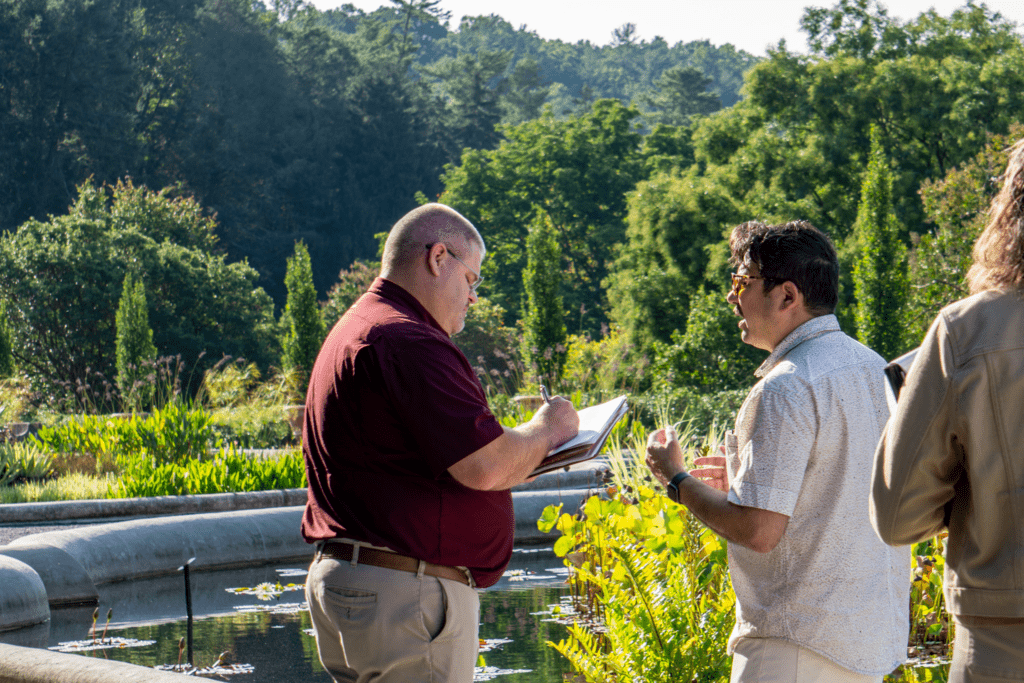
Bill Quade, Director of Horticulture (left), and Ricardo Rivera of Klip Collective (right) discuss ideas for Luminere in the Italian Garden.
Based on wonderful family stories, including archival descriptions of 1920s-era garden parties at Biltmore, Luminere began to take shape as a way to share the magic of those long-ago shimmering celebrations.
This experience was years in the making and involved extensive collaboration and co-creation between our Biltmore teams, from Museum Services, Engineering, Horticulture, Construction Trades, and others to the teams at Klip Collective, the company selected to develop Luminere for us.
“Now that it’s operational, all Biltmore teams play a vital role in providing gracious hospitality to our guests. Biltmore is blessed with talented employees who pride themselves on creating memorable guest experiences as part of Luminere and throughout your entire Biltmore visit,” Travis said.
Magic in the making of Luminere
Klip Collective uses high-tech projection mapping, lighting, and sound design to create site-specific, immersive sensory experiences for destinations like Longwood Gardens in Pennsylvania, Arizona’s Desert Botanical Garden, and Crystal Bridges Museum of American Art in Arkansas. All together, Klip utilized a dozen vendor partners and Biltmore hired six local vendors to create and complete the many different aspects of this project.
“What I love about Luminere is that we were able to pay attention to the historical storytelling aspects of the family and the house as well as the physical beauty of the gardens,” said Ricardo Rivera, Creative Director and Founder of Klip. “Biltmore is a very rich canvas and we saw a great opportunity to do something extra special. This is the greatest example of the best work we’ve done at Klip Collective all in one place, and I’m very proud of that.”
Composing Luminere’s signature musical score
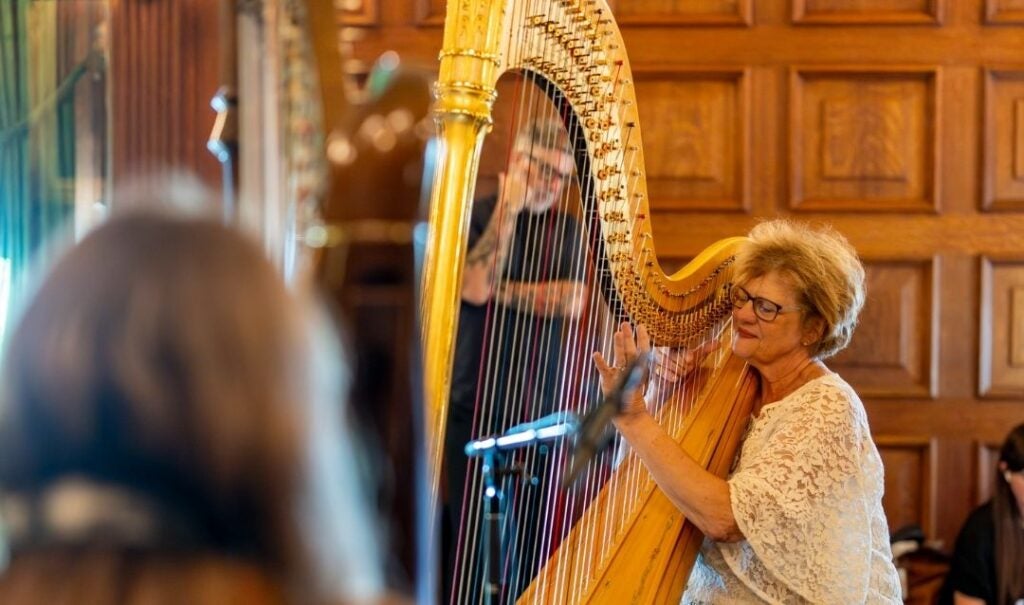
Portions of the signature musical score for Luminere were recorded in Biltmore House, including this performance in the Oak Sitting Room by harpist Lelia Lattimore.
In addition to creating the visual Luminere experience, Klip partnered with composer Julian Grefe and the talented musicians of Asheville Symphony Orchestra and Budapest Film Orchestra & Budapest Film Choir to create the signature musical score that is such an integral part of Luminere. Special guests included three local musicians who have been performing at Biltmore for the past 40 years.
From new arrangements of classics such as Mendelsohn’s beloved Wedding March and excerpts from Gounod’s Roméo et Juliette, which was one of George Vanderbilt’s favorite operas, to original music featuring a variety of traditional instruments, vocal performances, and groundbreaking techniques, the sounds of Luminere are as striking as the illuminations.
In some cases, Biltmore House even served as the recording studio, with musical tracks captured in the Oak Sitting Room and indoor Swimming Pool. For the main them, the music was formulated from actual architectural features such as the roofline and windows.
Illuminations for Biltmore House & Gardens
“Ricardo and the artists with Klip Collective understood what we really wanted to delight our guests,” said Travis. “Luminere is a very specialized, curated story, sharing the construction of Biltmore House, telling the family story and what was it like to visit Biltmore at the turn of the century as a guest of the Vanderbilts.”
The Luminere experience continues in Biltmore’s historic gardens, bringing different areas to life with the same cutting-edge artistry Klip created for the facade of Biltmore House.
From the Italian Garden to the Conservatory (shown here), the wonders of Luminere fill our historic gardens
“You’ll be amazed at the difference between night and day in the gardens,” Travis said. “Daytime is all about the beauty of the plants and Frederick Law Olmsted’s designs, but at night, Luminere turns the gardens into a dreamscape that’s a little mysterious and a little playful. From the Italian Garden to the Conservatory, the illuminations and the signature musical score will draw you deeper into the wonders of the experience.”
Addressing infrastructure
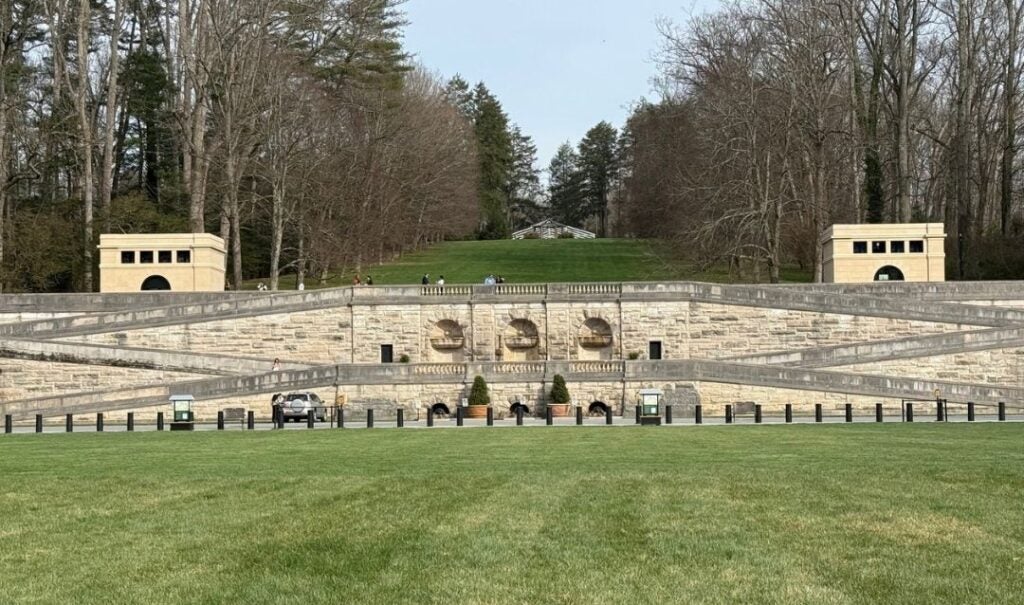
Twin projection units for Luminere sit atop the Rampe Douce at the end of the Front Lawn.
To support the stunning illuminations and the soaring musical score for Luminere, we added new infrastructure around Biltmore House & Gardens, including two limestone-clad projection units atop the Rampe Douce and speaker structures in various locations.
“Every effort was made to incorporate the new infrastructure elements as seamlessly as possible,” said Travis. “For example, the exterior of the projection units was covered in limestone similar to that of Biltmore House. Once they’ve weathered in place for a bit, they’ll fade further into the background.”
Experience Luminere for yourself
During Luminere evenings, Biltmore House becomes a canvas that illuminates its remarkable story, and our renowned gardens dance before you with breathtaking artistry.
Now that you’ve taken a peek behind the scenes, get ready to experience Luminere for yourself. Tickets are available for select evenings now–October 18, 2026. Plan your getaway today to experience Biltmore in a whole new light!