Many of the gifts had personal significance to the couple. Her mother, Edith Vanderbilt, gifted a cocktail shaker and brooch to John Cecil, while John Cecil’s father gave a diamond and sapphire horseshoe-shaped brooch to Cornelia to celebrate her skill with horses. Cornelia’s maid-of-honor gifted her with a distinctive marabou feathered throw along with other bedding, still part of Biltmore’s collection. Sir Esme Howard, British Ambassador, gifted the couple with Essays of Bacon, honoring John Cecil’s homeland and the couples’ intellectual interests.
Not all of John and Cornelia’s wedding gifts were given by those with fabulous wealth. The servants of Biltmore House, coordinated by butlers Arthur Hopkins, William Donahue, and Herbert Noble, pooled funds to give the couple a china breakfast set. Gifts from other residents of the estate included baskets, brooms, door stops, kumquat marmalade, and a puppy! Even more meaningful than gifts, estate employees gathered outside the house the night before the wedding with noisemakers and a band to celebrate Cornelia on the eve of her special day.
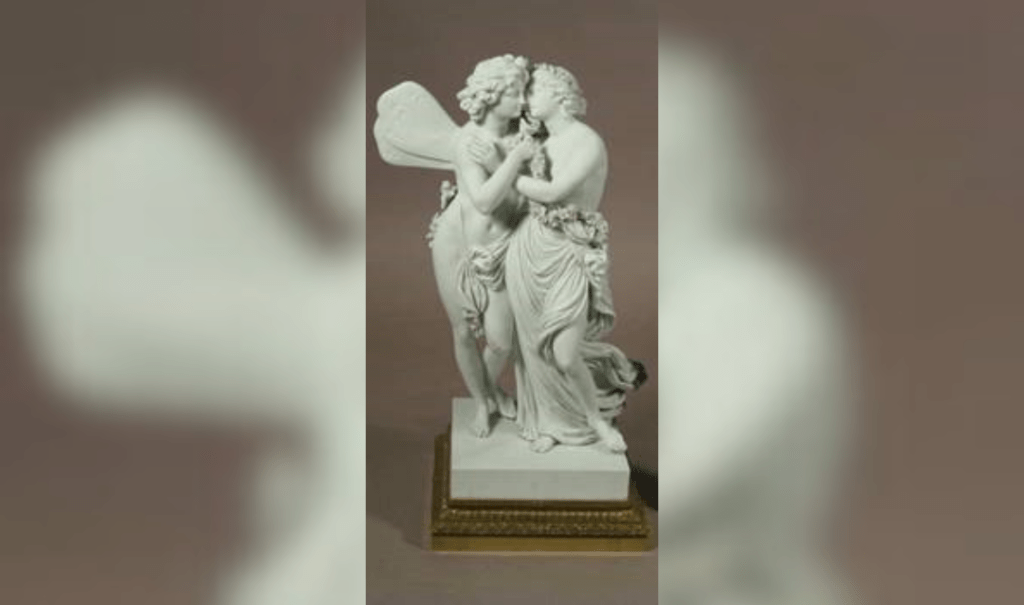
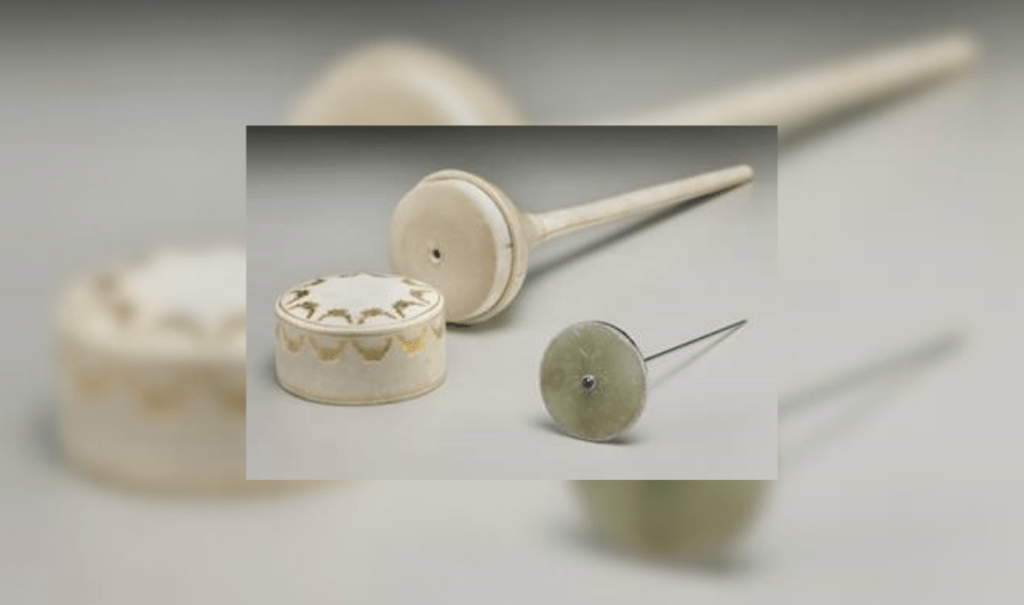
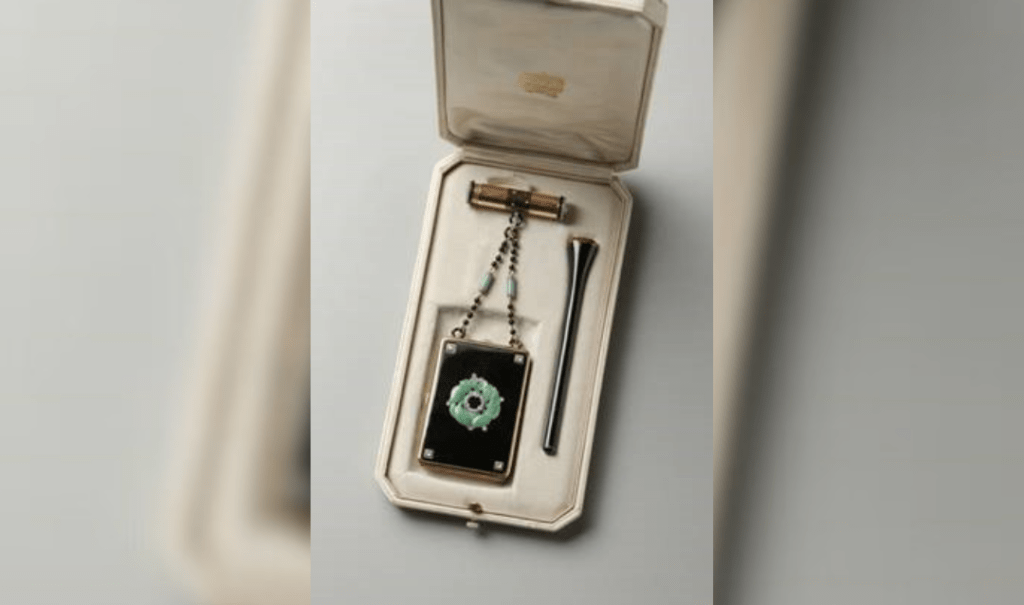
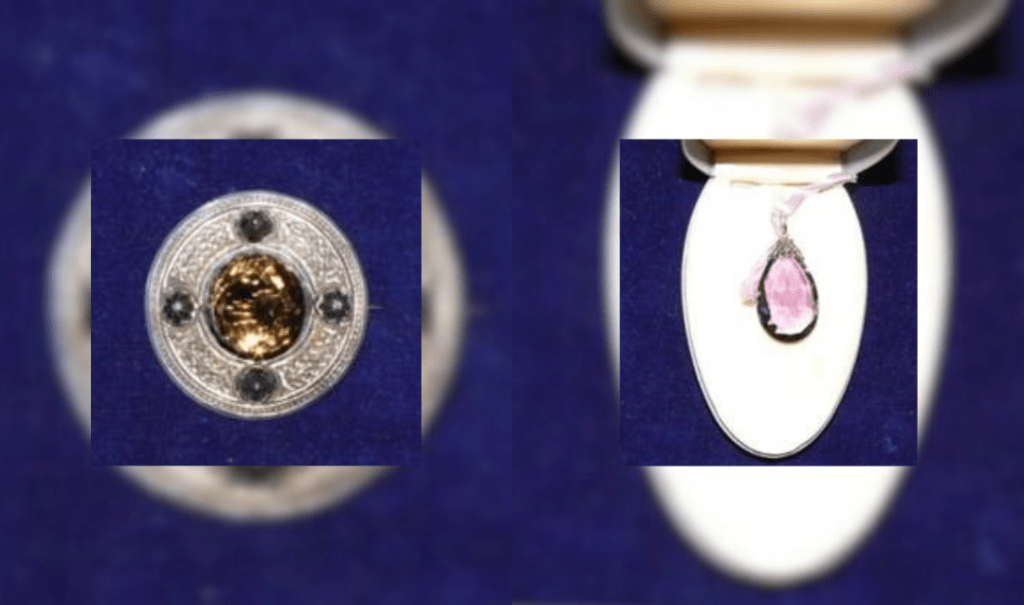
Below are photos of several notable wedding gifts, which can be seen at The Vanderbilts at Home and Abroad exhibition in Antler Hill Village.
Cupid and Psyche figurine, late 19th century, French bisque porcelain and ormolu.
Hatpin, ca. 1924 from Cartier, New York. Made of carved jadeite, sapphire, diamond, and platinum with original case.
Vanity case with attached lipstick and cigarette holder, ca. 1924 from Cartier. Made of gold, enamel, carved jadeite, platinum, diamond, and onyx, in the original box. The case opens to reveal a mirror, powder compartment, and powder puff.
Shoulder brooch for Scottish plaids, Henry Tatton, Edinburgh, Scotland, 1919. Featuring cairngorm (smoky quartz) and sterling silver. And Amethyst pendant, ca. 1924.
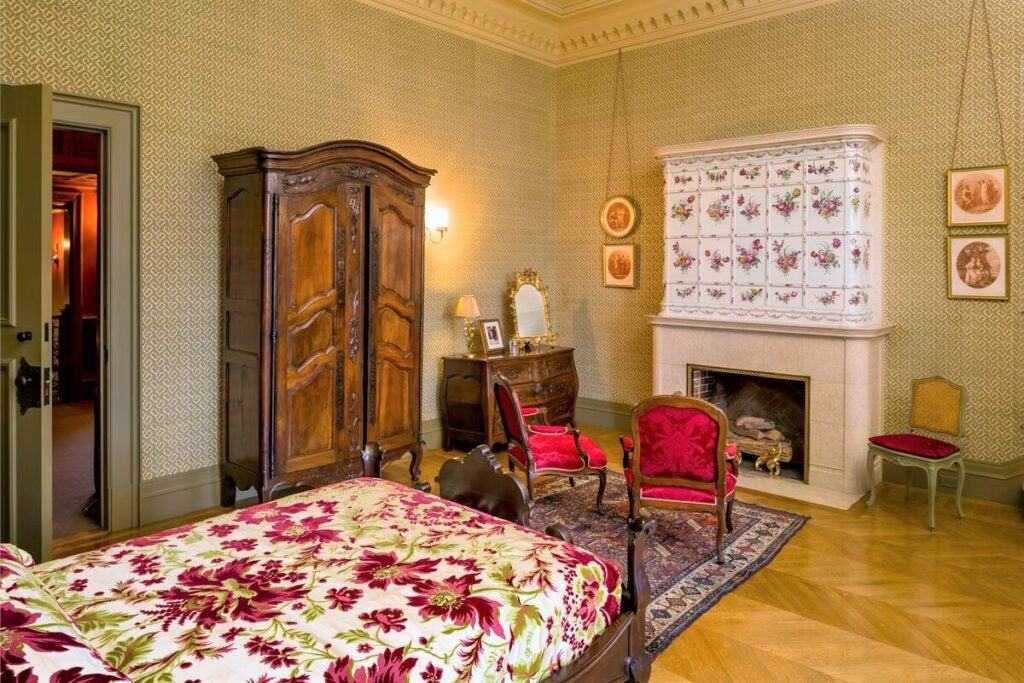
The Chimney Room in Biltmore House was named for the wonderful tile chimney and mantel that is an integral part of the decor. As part of our look back at the extensive renovation project that returned the Louis XV Suite of Biltmore House to its current splendor, let’s take a moment to consider the design elements of this remarkable guest bedroom.
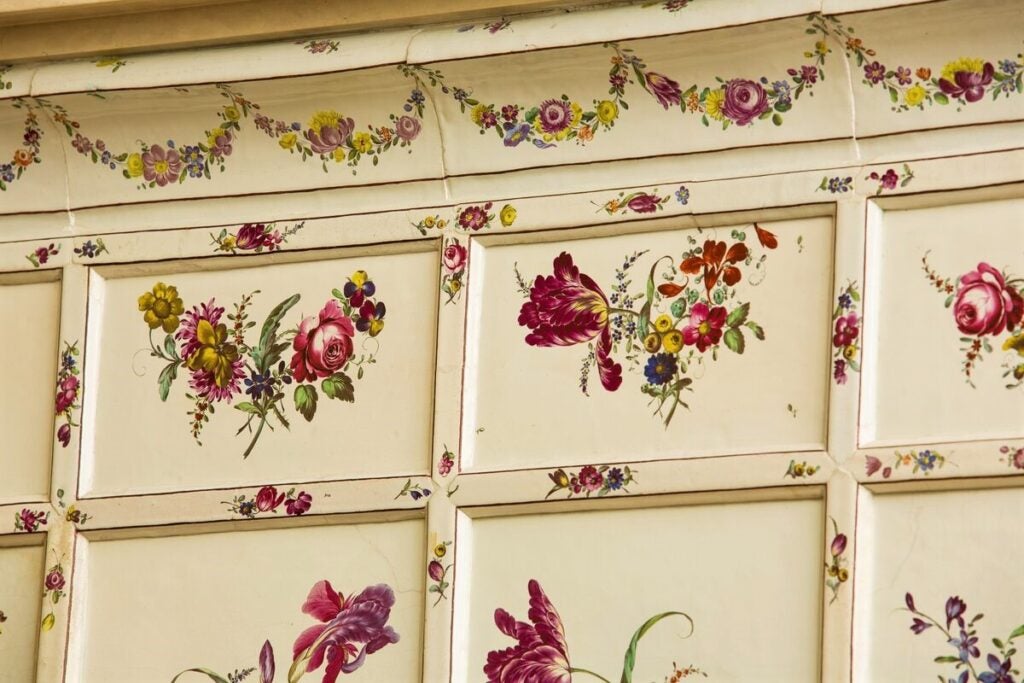
Detailed view of the tile over-mantel in the Chimney Room
The fireplace over-mantel (its correct name) was constructed from a tile-stove known as a kachelöfen that George Vanderbilt likely purchased in his European travels, possibly in Switzerland. Created in the 18th century, Biltmore’s Chimney is made of tin-glazed earthenware tiles hand-painted with exquisite floral designs.
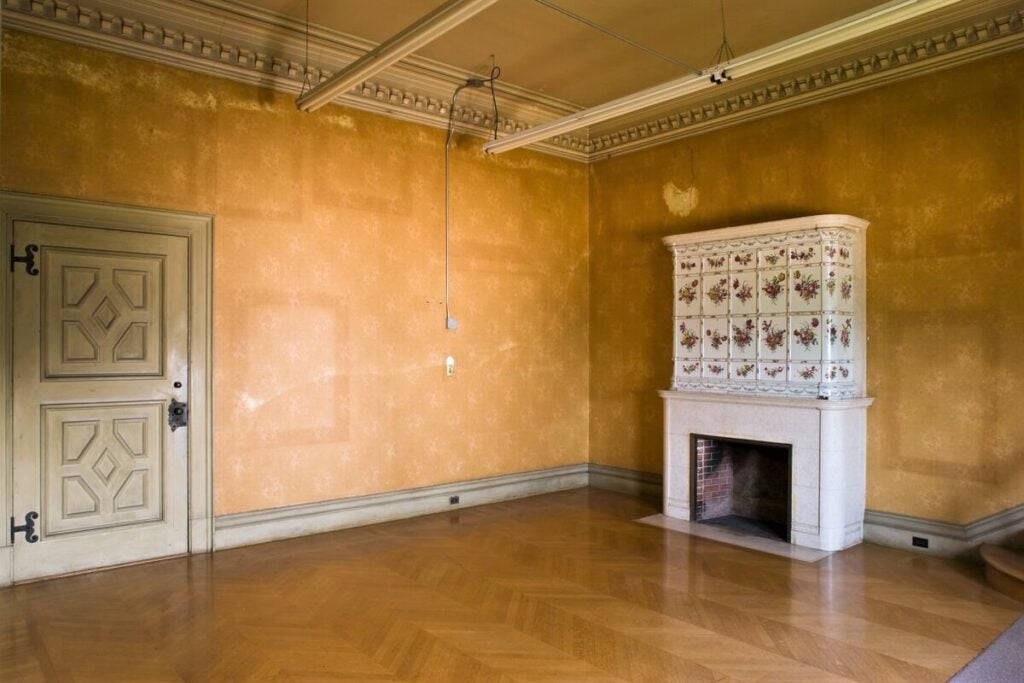
Prior to restoration in 2009, the over-mantel was the focal point of a room used to store beds and frames.
Chimney Room of Biltmore House prior to restoration
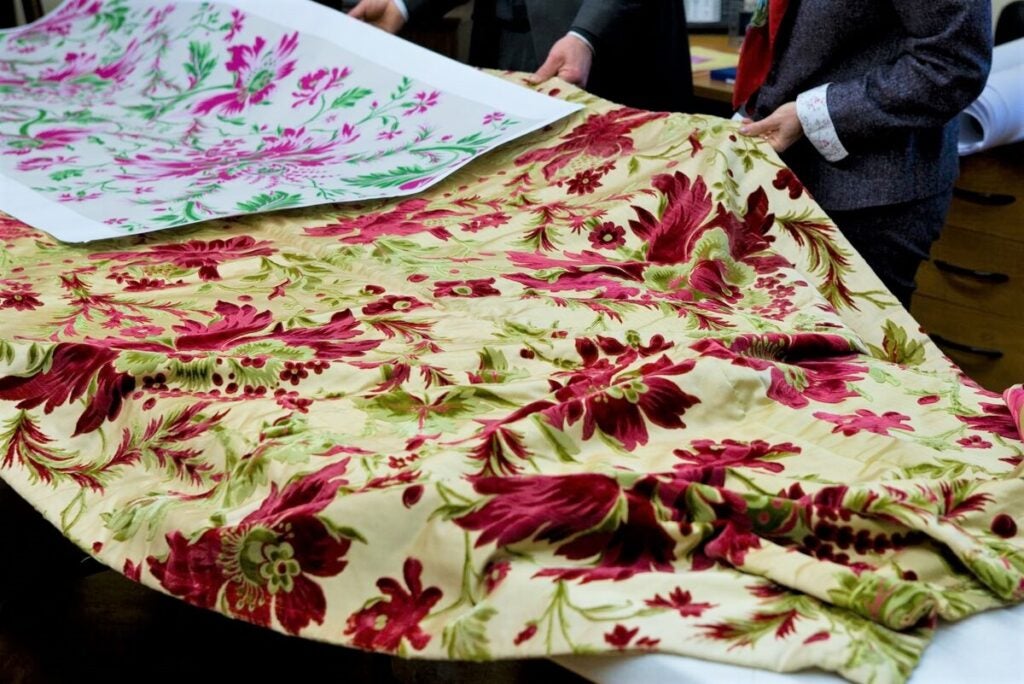
The Museum Services staff worked with Prelle, a company in Lyon, France that specializes in silk fabrics, to exactly reproduce a figured velvet for the window draperies and bed covering in the Chimney Room.
Museum Services and a Prelle representative are comparing the velvet to the colors in the tiles.
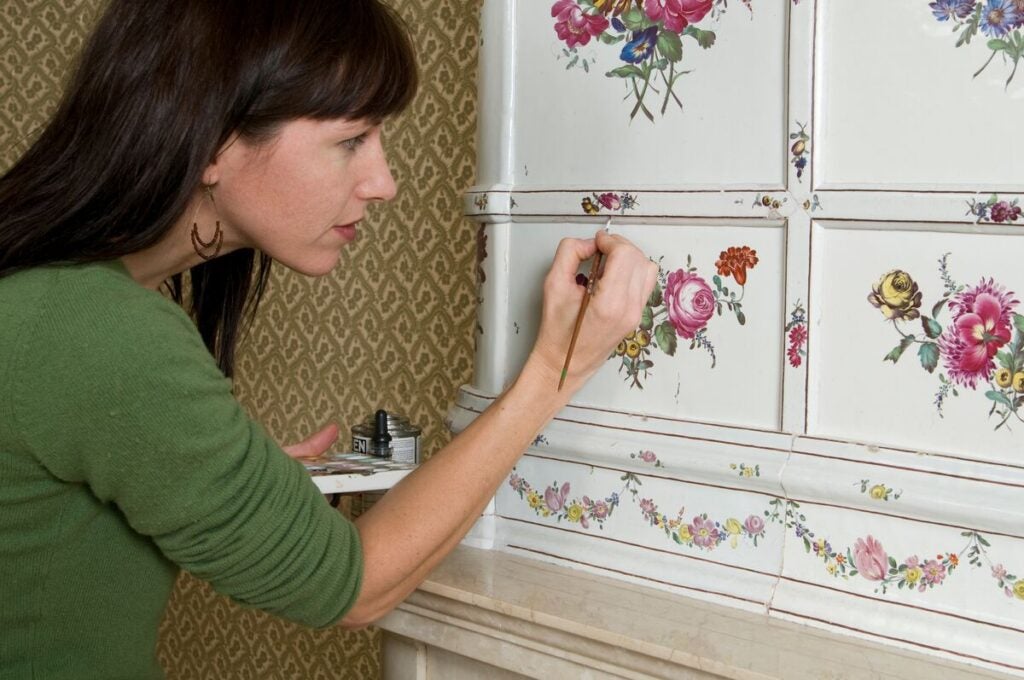
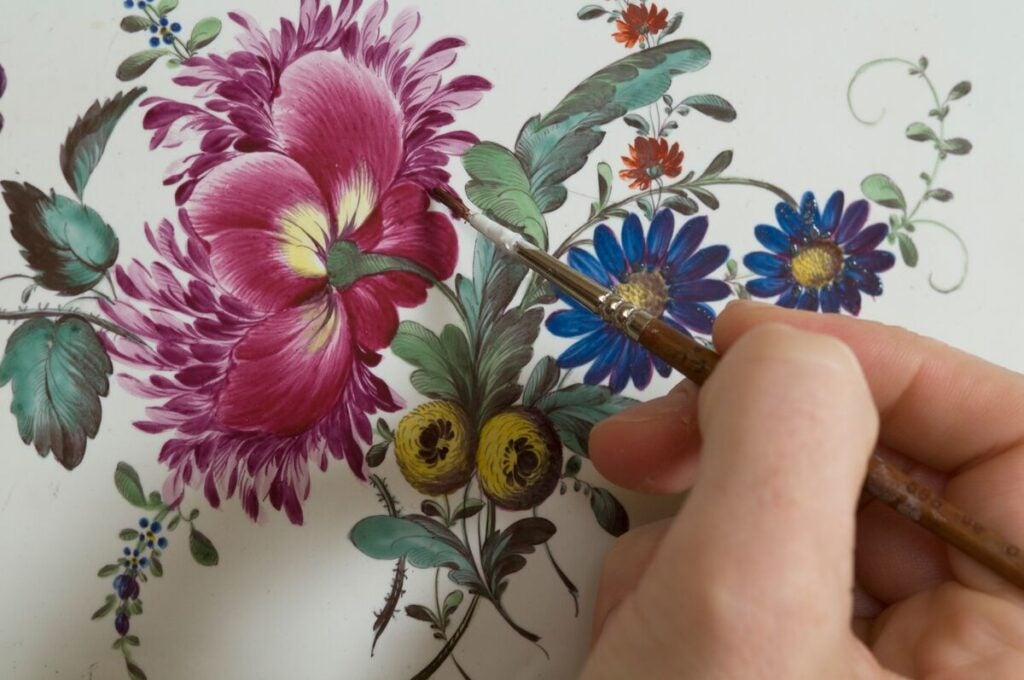
While the tile was in relatively good condition for its age, Biltmore’s conservators spent hundreds of hours cleaning and in-painting damaged areas of the over-mantel.
Handpainting flower details on the over-mantel
The painstaking work required a combination of conservation experience and artistic ability.
Detailed view of the handpainted flowers on the over-mantel
The results show the vivid colors and delicate florals that inspired the Chimney Room’s striking design.
Chimney Room of Biltmore House after restoration was completed
George Vanderbilt and his architect Richard Morris Hunt put careful consideration into each material used to construct Biltmore House. While the underlying walls are brick, the architect chose to add a striking warm stone façade of the house: a layer of limestone from the Hallowell Quarry in Indiana, the country’s richest quarry at the time and the same source for the stone used in Chicago’s 1885 City Hall.
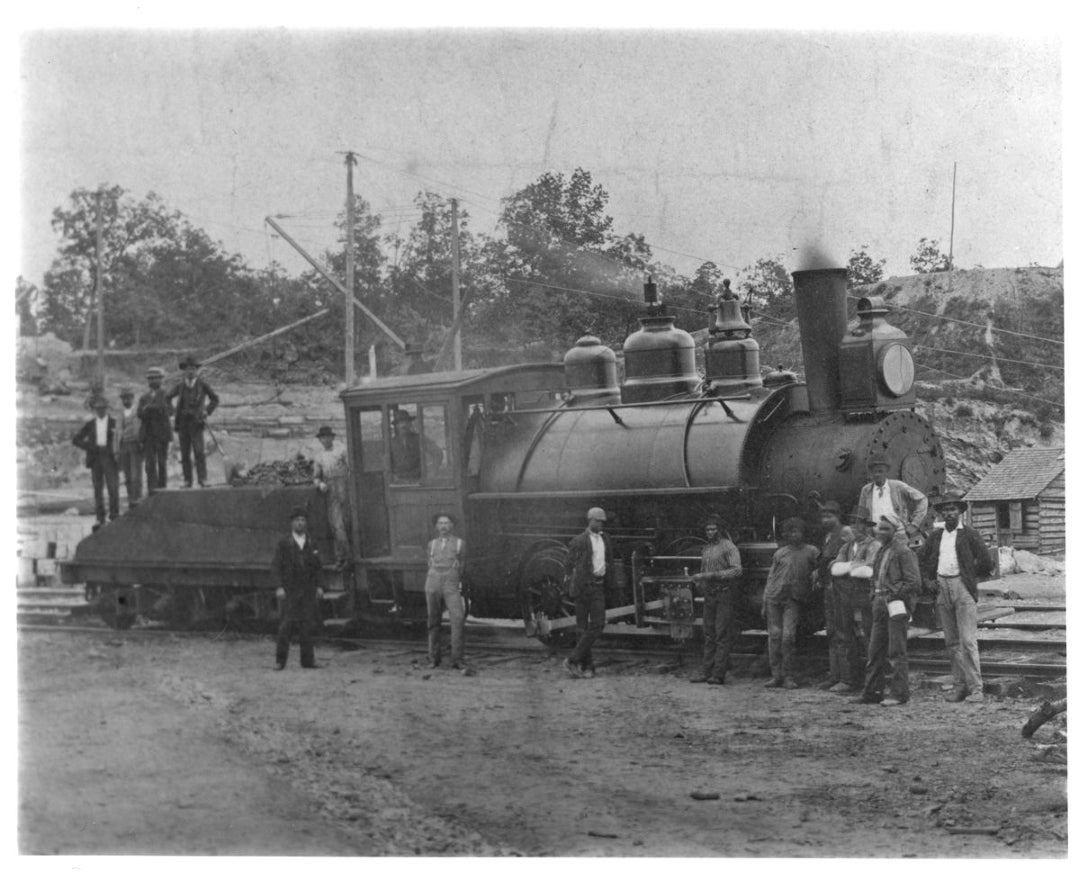
Between February 1891 and February 1892, 287 train cars left Indiana carrying the limestone that would become Biltmore’s façade. Once it came into the depot in Biltmore Village, the stone was transported to the construction site by a narrow-gauge railroad track built specifically for that purpose. The first shipment arrived at the house on March 16, 1891.
Limestone blocks were stored in sheds and protected from the weather until they were ready to be cut and carved. To achieve the texture seen on the house today, the blocks were tooled by hand through a process called crandalling. Skilled stonecutters cut shallow grooves into the surface of the stone, resulting in a fine, pebble-like surface that looks more elegant and reflects light more dramatically than unaltered limestone.
Once ready, the limestone blocks were lifted into place using wooden derricks powered by hand-drive, geared winches. The first block of stone was put in place in the west garden wall on June 8, 1891.
Although there’s no exact final count, estimates indicate that when the construction was complete, around 60,000 cubic feet of limestone adding up to 5,000 tons had been used in the project. The surface as it’s seen today reflects the beautiful effects of aging in the elements for more than 120 years.
Top: Stonemasons’ shed, 1892, with Biltmore House under construction in the background.
Bottom: Workers and a steam engine on the Esplanade, 1892. Indiana limestone was shipped by rail directly to the Biltmore House building site.
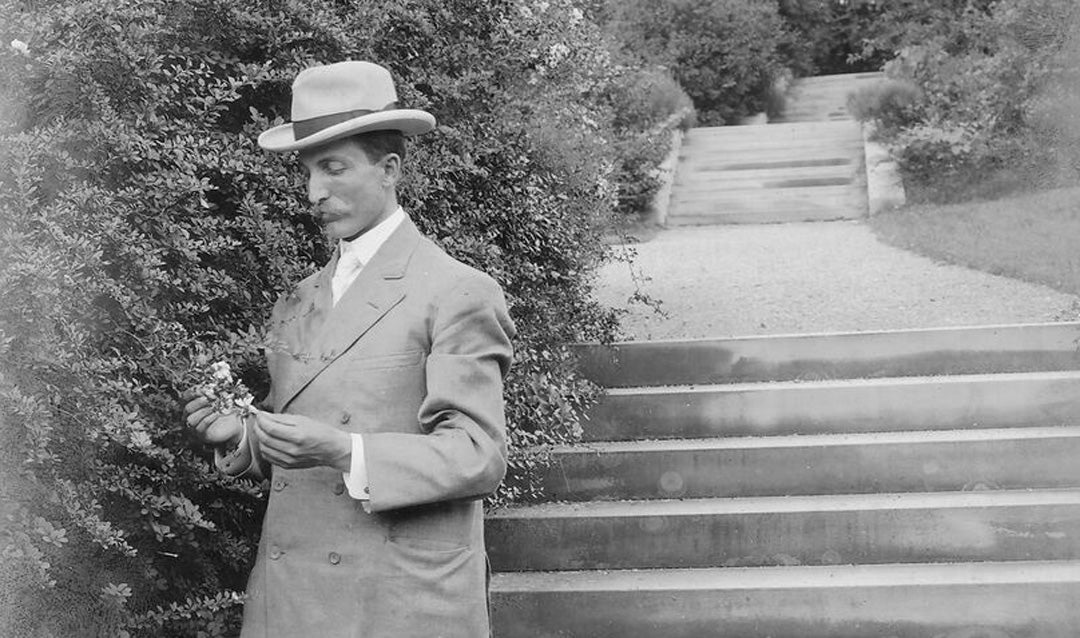
Chauncey Delos Beadle began working at Biltmore as nursery supervisor under the direction of Frederick Law Olmsted in 1890—five years before Biltmore House and its surrounding gardens were completed. Beadle, who said he came to Biltmore for a month and stayed for a lifetime, lovingly supervised the estate grounds until 1950.
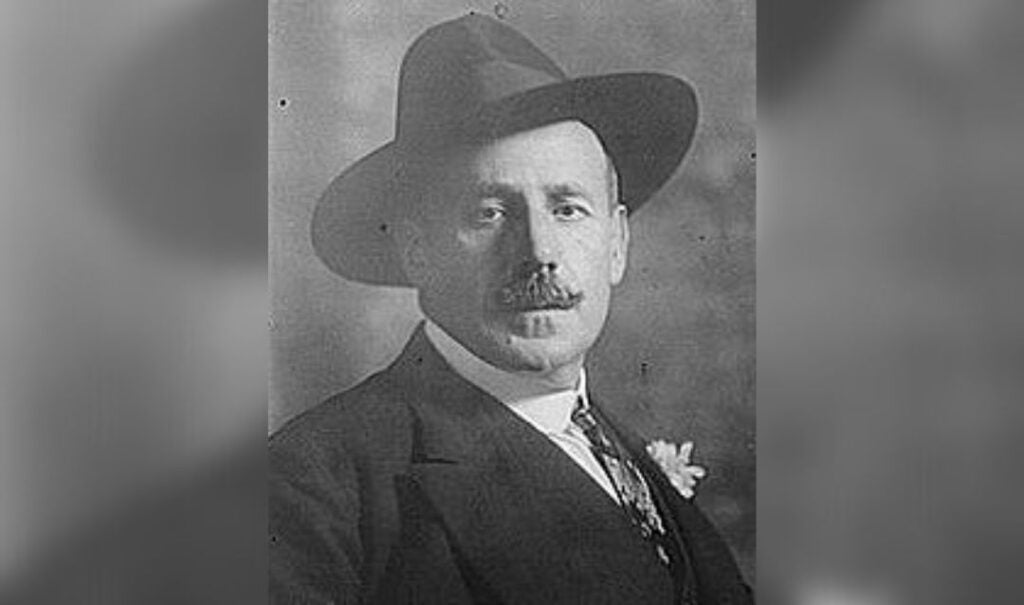
Chauncey Beadle, ca. 1906
Ten years after arriving at Biltmore, Beadle and the other staff members helped George and Edith Vanderbilt welcome the arrival of their only child—a daughter named Cornelia Stuyvesant Vanderbilt. Later that same year, a cucumber magnolia tree (Magnolia acuminate) was planted in the child’s honor in the area of the estate that would come to be known as the Azalea Garden. According to one newspaper account,
The spot selected is in a beautiful grassy dell near Biltmore House. The tree itself, now but a sapling of twelve feet in height, is expected to be 60 feet above the ground when little Cornelia reaches the age of 20 years. A few years after that event, it is expected that it will reach a height of 100 feet. It lives centuries, and is one of the prides of our beautiful southern forests.
A special bond
As a young girl, Cornelia developed a special bond with Beadle. He had become estate superintendent and was now responsible for the overall business management of the estate, as well as many of the Vanderbilts’ personal affairs—but he was also a trained botanist and horticulturalist who encouraged Cornelia to take an interest in plants and flowers from a very young age. Together, they undertook such activities as planting a flower garden for the child to tend.
When Cornelia was away travelling with her parents, Beadle wrote letters detailing the garden’s growth and often included pressed flowers for her enjoyment.
Here are excerpts from the charming letters Beadle wrote to Cornelia just before her sixth and seventh birthdays:
August 17, 1906 – To Cornelia in Paris, France:
“I promised you just as you were leaving Biltmore to send you some pressed flowers from your garden, that you may see some of the results of the seeds we planted last spring. Almost all of the seeds grew and thrived and, in particular, I wish you could have seen some large double sunflowers as large as breakfast plates … They were so large that I could not press them and I fear that before your return they will have faded and gone. The little package which I am sending you, however, contains some of the smaller flowers that were easily pressed and, perhaps, before your home-coming, I can send you another lot so that you may be able to enjoy the garden even though you were in Europe…”
August 14, 1907 – To Cornelia at Point D’ Acadie, the Vanderbilt’s home in Bar Harbor, Maine:
“I have sent you by mail a package containing a number of pressed flowers from your garden which you painstakingly planted and watered. Very many of the plants have made a splendid showing… In the package you will find handsome Larkspurs of various shades and mottled colors… and several other flowers that were in blossom…. You will find the names of the flowers written on the inside of the sheets of paper which contain them, and I am very sure that you will soon know them all by name and will be able to recognize them wherever you may see them growing…”
Keeping up a correspondence
George Vanderbilt passed away unexpectedly in 1914, and Edith and Cornelia began spending more time in Washington, DC where Cornelia attended The Madeira School. Beadle continued corresponding with the pair through the years, bringing Edith up-to-date on estate business and describing the gardens in great detail so both ladies could enjoy them even when they were far from home.
In a letter dated April 14, 1922, Beadle wrote to Cornelia,
“The tulips in the walled garden are so glorious that we are trying out an experiment of sending you a box today by express for Easter. We shall hope they will bring you something of their original beauty and charm to make Easter even more wonderful. Spring is very much advanced here, even the yellow rambler roses are opening.”
Beadle’s gift
In 1923, Cornelia met the Honorable John Francis Amherst Cecil, a British diplomat who had been transferred to Washington, DC after posts in Egypt, Spain and Czechoslovakia. John Cecil came from a very prominent British family, and was a direct descendant of William Cecil, the first Lord Burghley, who served Queen Elizabeth I of England.
Cornelia and John announced their engagement later that year, and set a wedding date for April 29, 1924. Although Beadle was in Florida and unable to return for their wedding, he sent a very special gift that commemorated their mutual love of the natural world: fresh orange blossoms from his own garden. Our archival records indicate that Cornelia placed some of the fragrant flowers on her veil and also decorated the toe of each of her wedding slippers with a single, perfect blossom.
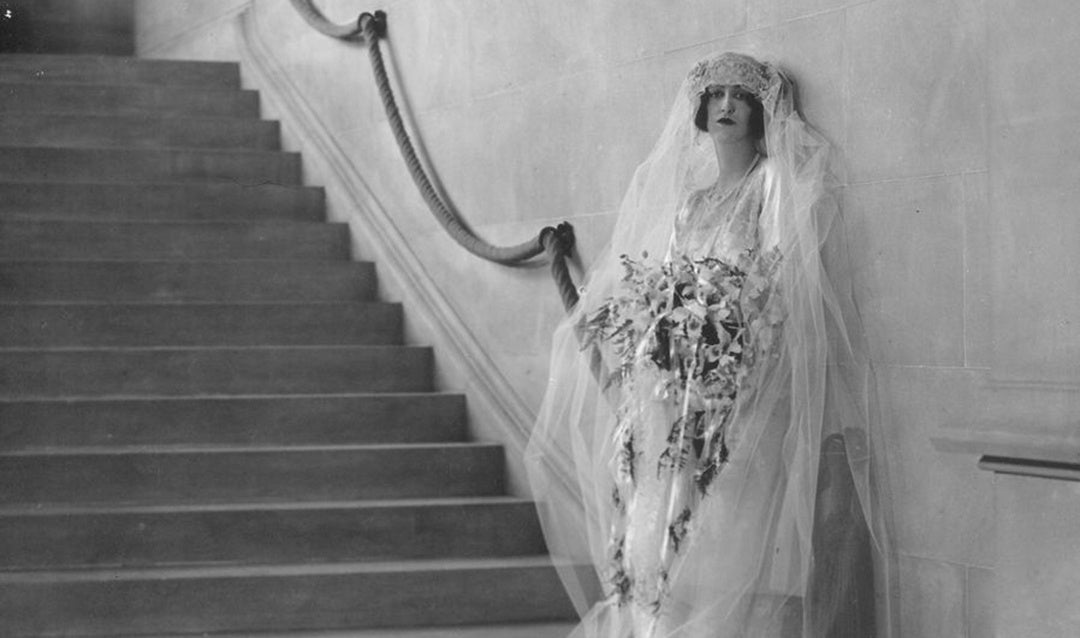
Cornelia Vanderbilt’s wedding portrait upon her marriage to John Francis Amherst Cecil, April 1924
Images
Top: Chauncey Beadle at Biltmore in 1906
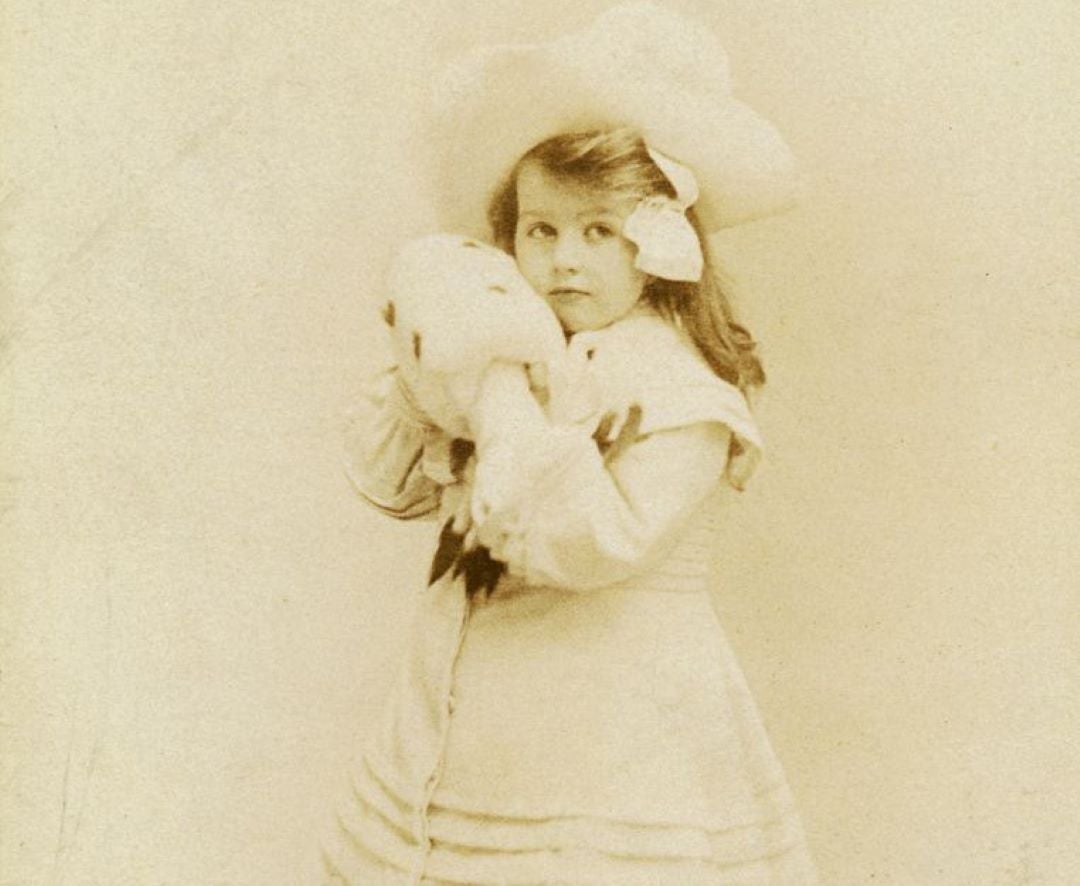
Middle: Cornelia Vanderbilt photograph; 1904
Bottom: Cornelia in her wedding dress at the bottom of the Grand Staircase in Biltmore House
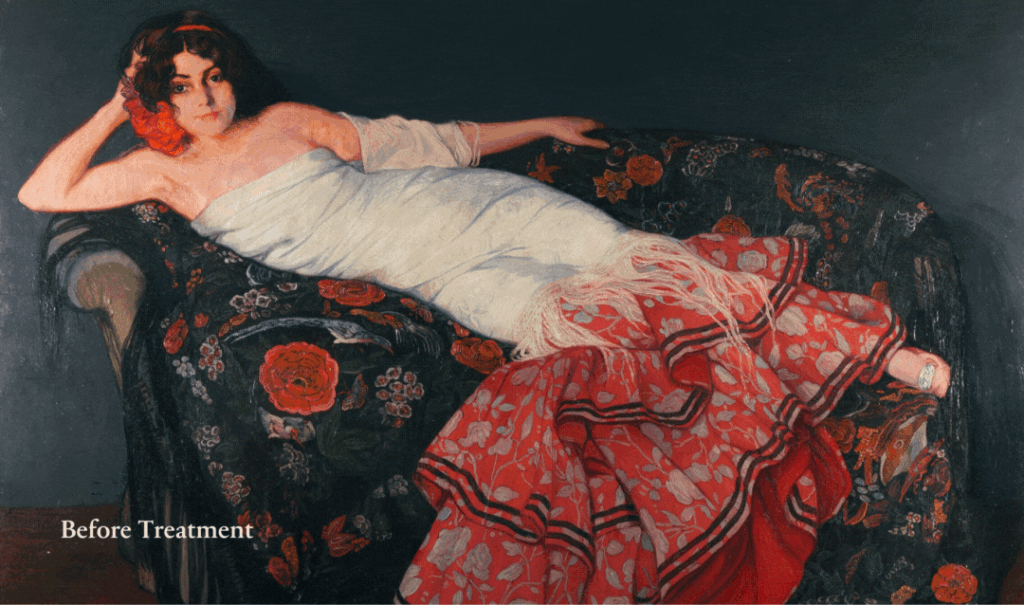
Rosita, by Spanish painter Ignacio Zuloaga (1870–1945), is one of the most eye-catching works in George Vanderbilt’s collection and represents his interest in Spanish art, which gained popularity in the last years of the 19th century.
Lounging on a divan draped with a mantón de manila (a flamenco dancer’s accessory), Rosita is wrapped in a white fringed shawl with a red floral flamenco skirt billowing out. She leans on her elbow and smiles, a huge red flower in her dark hair. Rosita is confident: a model at ease with being an object of beauty. So, how did this captivating woman come to stay permanently at Biltmore?
Spanish artist Ignacio Zuloaga, ca. 1925
A celebrated artist
In 1913, Zuloaga, known as “The Great Basque,” was living in Paris where his reputation had grown since his first exhibition in 1890. He came from a family of artists and his great-grandfather was a contemporary of Goya, who Zuloaga cited as one of his major influences.
A rising star in the art world by the turn of the century, Zuloaga was known for his portraits, especially those of women with a great deal of personality. He also had a reputation for hosting memorable Parisian parties attended by artistic luminaries of the day, such as the famed conductor and cellist Pablo Casals.
“To draw another connection to Biltmore’s collection, we know that he was respected by John Singer Sargent, who actually wrote the introduction to a 1914 catalog of Zuloaga’s work on display in Boston,” says Meghan Forest, Biltmore’s Associate Curator.
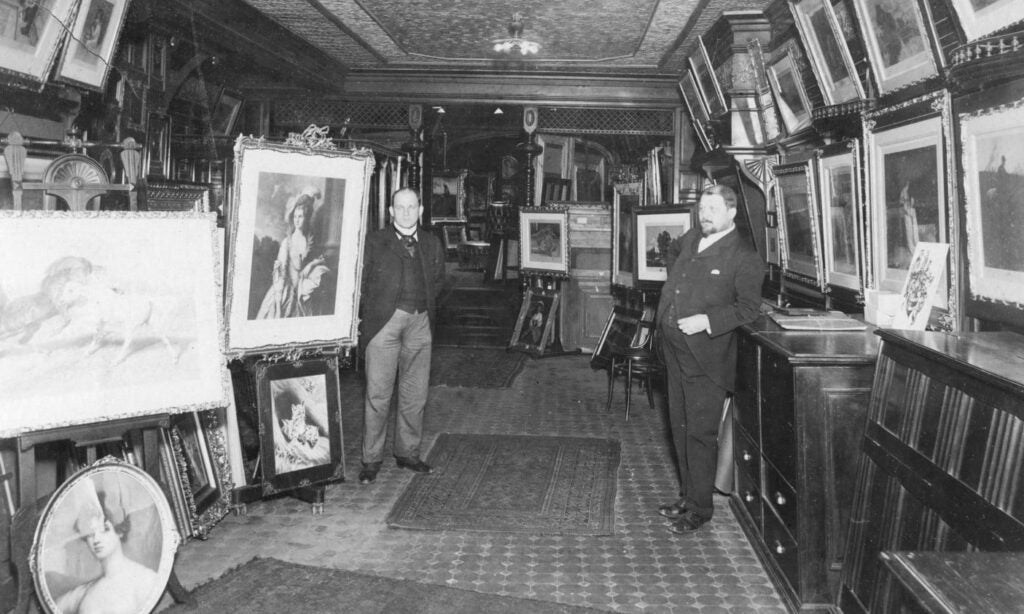
Charles and John Kraushaar in their New York gallery. Photo courtesy of Kruashaar Galleries.
Modern art, circa 1914
In January 1914, an American exhibition of Zuloaga’s paintings was held at the prestigious Kraushaar Galleries at 260 Fifth Avenue in New York. The show was reviewed in the February issue of Art and Decoration, a leading art journal of the time:
“Mr C W Kraushaar, following up on his success of last season, showed for two weeks eight pictures by Ignacio Zuloaga, the greatest realist of the very realistic Spanish school.”
The article goes on to say that “his Rosita, in the pattern of her shawl and of the couch on which she reclines, is masterly in painting.”
According to Meghan, recent research on their correspondence indicates that George Vanderbilt did in fact attend the exhibition. He wrote to Kraushaar in January 1914 offering to purchase the painting and requesting the frame in which it is displayed today inside Biltmore House.
Rosita finds a home at Biltmore
After George Vanderbilt’s death, Edith Vanderbilt paid for the painting and requested that it be sent to a museum rather than to Biltmore. In 1915, Rosita entered the collection of the National Museum (now the Smithsonian American Art Museum) on loan. There she stayed until 1924, when Cornelia Vanderbilt Cecil and her husband, the Honorable John Francis Amherst Cecil, visited to view the painting and requested its return to Biltmore. The painting arrived in December 1924, with Rosita taking her place as one of Biltmore’s most intriguing permanent residents.
While Rosita was not at Biltmore during George Vanderbilt’s lifetime, our records indicate that her first placement was the Second Floor Living Hall—a decision made by Cornelia and John Cecil. She was later displayed in the Billiard Room in the 1970s before taking up residence in the hallway outside of the Louis XV Suite in more recent years.
This animation shows Rosita’s difference in appearance before and after conservation treatment in 2023.
Conserving Rosita
In 2023, Biltmore’s in-house conservator, Nidia Navarro, completed the conservation treatment of Rosita’s ornate frame while the painting itself was sent to Ruth Barach Cox for conservation. The painting conservator worked to remove old, discolored varnish and overpainting that was added during past conservation treatments and restore the vibrant colors and brush strokes to their original splendor. Early photos of the painting and Cox’s inspection revealed that the original work featured body hair in the sitter’s armpit, a common practice around the world in the early 20th century. Cox’s treatment returned the painting to its original appearance.
Be sure to look for the recently conserved Rosita painting on display in the hallway outside of the Louis XV Suite on your next visit to Biltmore House.
Although Biltmore House was equipped with superb stables, the Vanderbilts did not rely solely on horses and carriages for transportation. Although horse-drawn carriages, ships, and trains were popular when George Vanderbilt was born in 1862, engineers and inventors were already experimenting with “horseless carriages” or automobiles.
It wasn’t until the early 1900s that the Vanderbilts and their friends began to experience the convenience and speed of driving. George Vanderbilt was particularly fond of automobiles and collected them over the years.
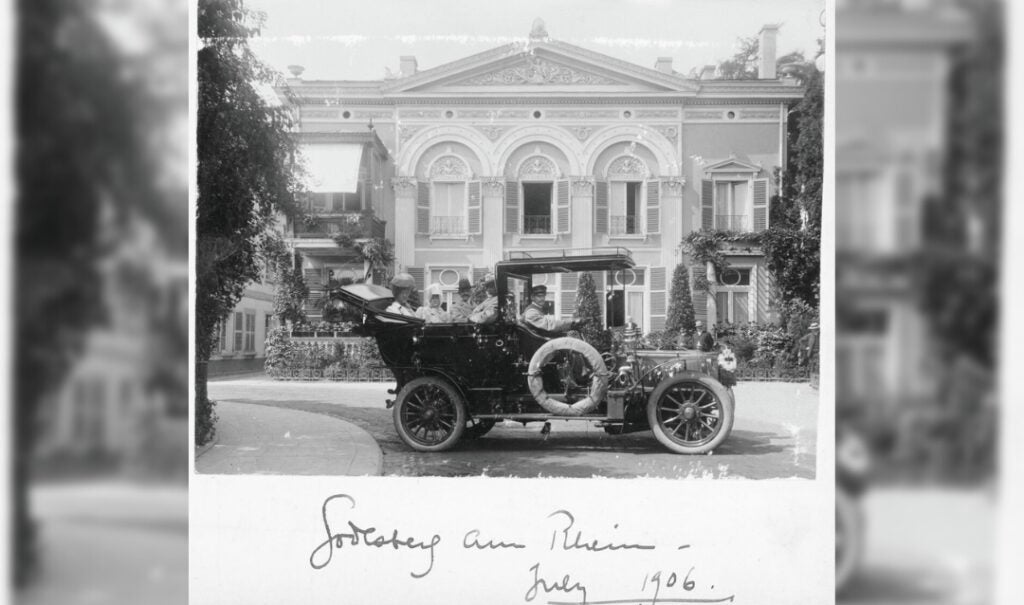
George (third from left) and Edith Vanderbilt (far left), friends, and chauffeur in Godesberg am Rhein, Germany, 1906.
Road trips
Biltmore archives show that George Vanderbilt became an avid fan of automobiles during a visit to Europe in 1903 when his good friend William (“Willie”) Bradhurst Osgood Field offered George and Edith Vanderbilt the use of his car and driver. Vanderbilt wrote Field:
“I am so in love with this mode of travel that I mean to order an auto like yours when I get back to Paris, with the few improvements that have been made since. It makes travelling a different thing and simply a natural transition instead of an effort.
We have decided to remain over here all winter and hope to do some more automobiling next summer…”
(George Vanderbilt to William B. Osgood Field, William B. Osgood Field Papers, Manuscripts and Archives Division, Astor, Lenox and Tilden Foundations, New York Public Library, New York, New York.)
In a subsequent letter, Vanderbilt again comments on his affection toward automobiles, saying, “We are still enchanted with auto and indebted to you.”
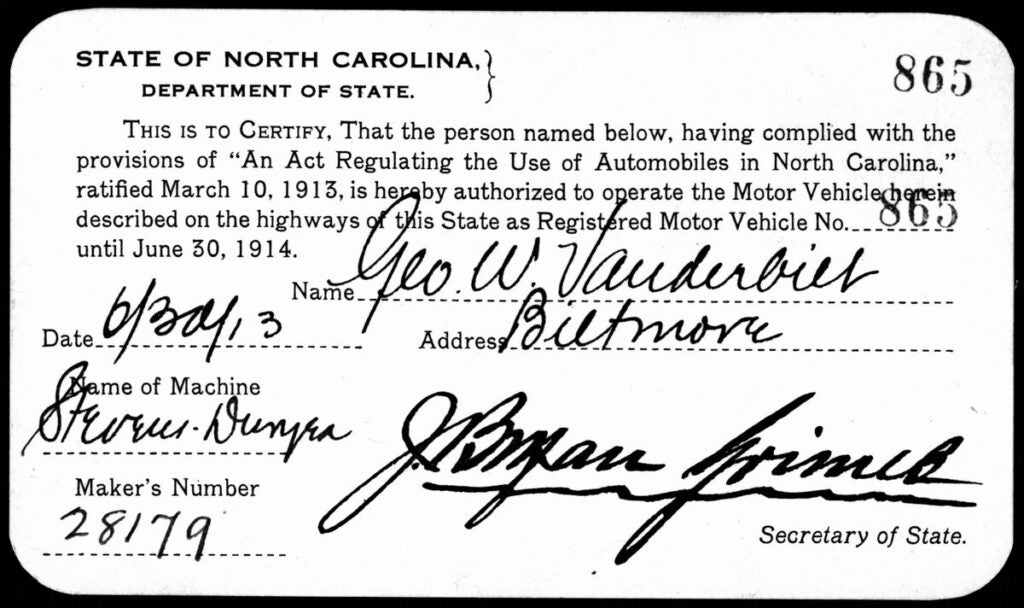
North Carolina driver’s license for George W. Vanderbilt from 1913.
His first car
We aren’t certain what kind of vehicle Mr. Vanderbilt purchased in Paris during this time, but photographs suggest the vehicle may have been made by Panhard et Levassor–the most popular maker of automobiles in France in the early 1900s.
As planned, the Vanderbilts remained in Europe for several more months. In 1904, George mentions a “delightful” three-week trip along the Spanish coast (notwithstanding a mechanical problem that delayed them for several days), several 2–3 day trips from their initial home base in Paris, a planned move to London allowing shorter road trips to visit cathedrals, and a six-week excursion throughout England, Scotland, and Wales.
While the Vanderbilts would continue to enjoy “automobiling” in Europe during their frequent trips, they would not purchase an auto in America until January 1907. Why the delay? Perhaps it was because most American roads were typically in poor condition compared to European roads.
But by the mid-1890s, Biltmore’s roads were nationally recognized as being of the quality needed throughout the country. In North Carolina, “Buncombe County…had accomplished more road improvements by 1914 than any other county in North Carolina,” and George Vanderbilt was given much of the credit.
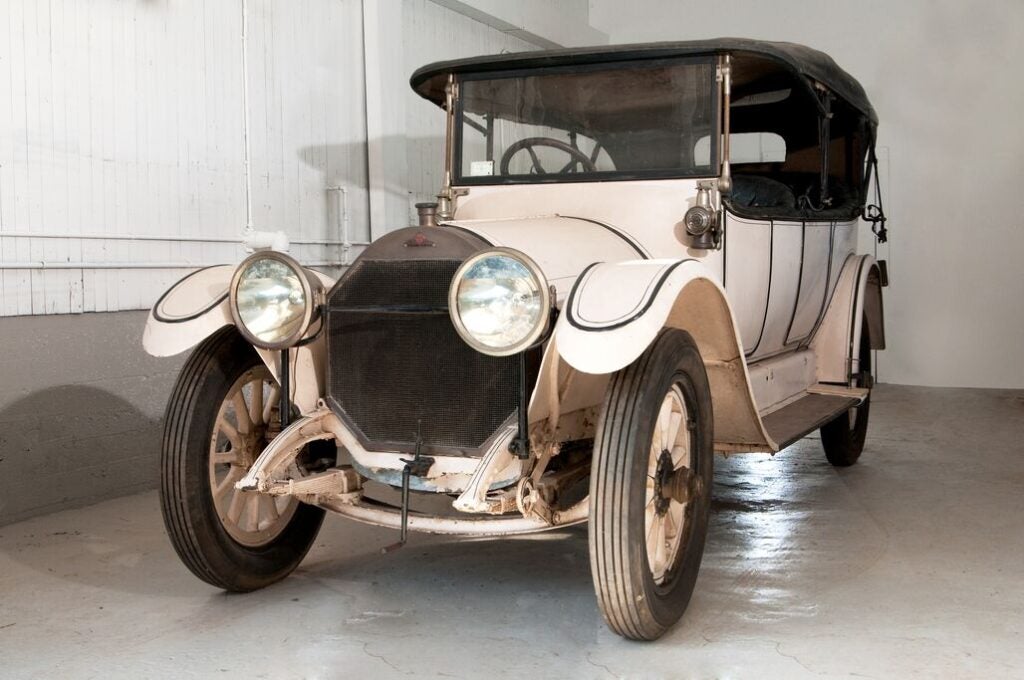
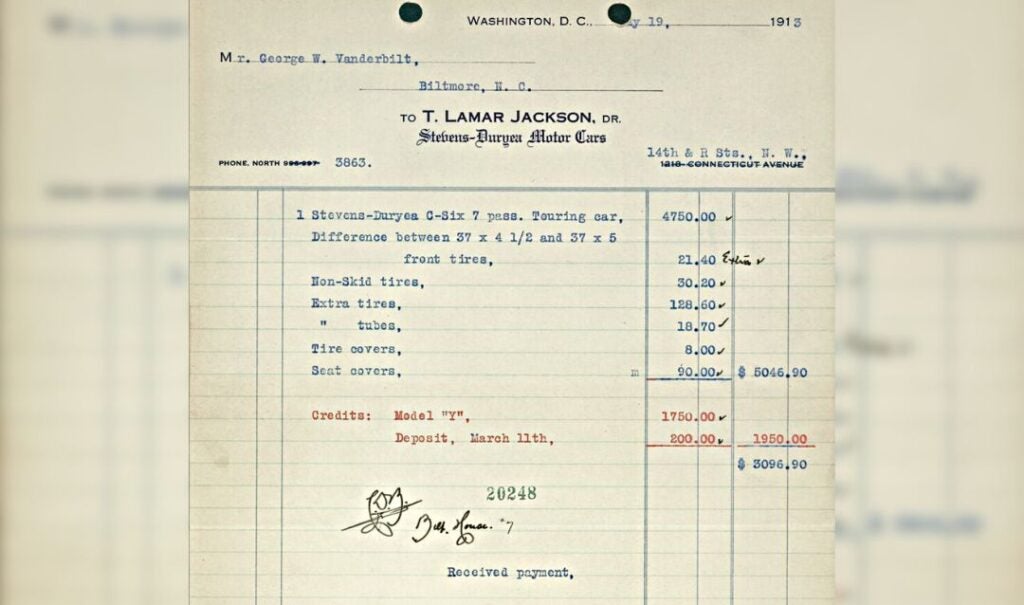
George Vanderbilt’s 1913 Stevens-Duryea Model C-Six, the only automobile remaining in the Biltmore collection.
American automobiles
In 1907, George Vanderbilt ordered a Stoddard-Dayton car delivered to his home in Washington, D.C. In 1911, he purchased a 1912 six-cylinder, six-passenger Model Y Stevens-Duryea for $4,000. Within a year, he traded the 1912 Stevens-Duryea for a 1913 Stevens-Duryea Model C-Six, which arrived in May 1913.
Receipt for purchase of Stevens-Duryea car; sold to George Vanderbilt for $3096.90 in May, 1913.
The Stevens-Duryea C-Six is the only vehicle that George Vanderbilt purchased remaining in the Biltmore collection and is today an extremely rare model, believed to be one of only 10 still in existence. It has been carefully conserved but not restored and is in private storage. Intriguing details of this vehicle include Edith Vanderbilt’s monogram hand-painted on the doors and the old-fashioned kerosene lamps that provided backup for the car’s newfangled electric headlights!
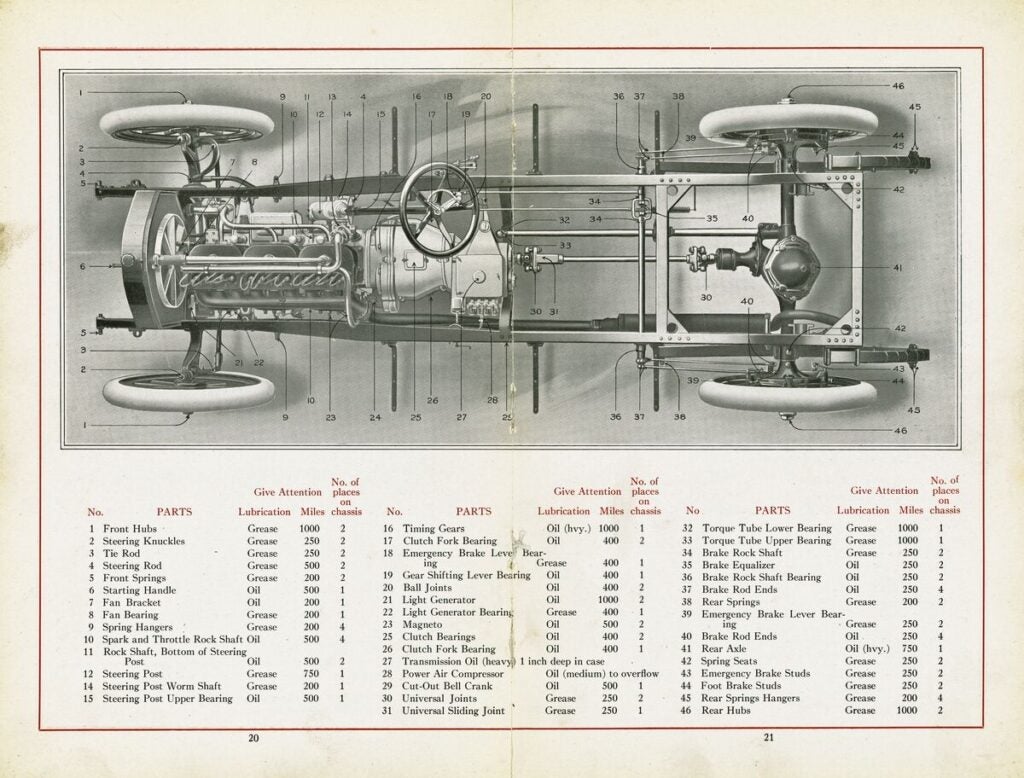
Detail of parts and maintenance for Stevens-Duryea car.
Learn more about the Vanderbilts’ travels at The Vanderbilts at Home and Abroad exhibition inside The Biltmore Legacy building in Antler Hill Village, which offers a fascinating glimpse into the lives of George and Edith Vanderbilt and their daughter Cornelia.
George Vanderbilt was a knowledgeable art collector, acquiring both the classics—like tapestries from the 1500s—and works from contemporary artists of his time such as Renoir. For portraits of his family, he turned to one of the leading artists of the era: James McNeill Whistler.
Best known today for the iconic portrait of his mother, Whistler (1834–1903) was an American-born artist who worked in Europe most of his life. No stranger to controversy, he was influenced by both the schools of realism and impressionism, later developing a unique symbolism in which the subjects of his paintings became less important than forms, colors, and mood.
While we don’t know exactly when Vanderbilt and Whistler met, we do know they had mutual friends and it’s likely Vanderbilt was familiar the artist’s work in London and Paris. By 1897, the two men were acquainted enough that Vanderbilt requested Whistler paint his portrait. In May 1897, Vanderbilt wrote:
“Yesterday when Sturges told me you were not in London I was greatly disappointed, both because I had looked forward to seeing you, venturing to hope for a Sunday afternoon visit to your studio, to make up for the visit I lost in March, and because I have a favor to ask of you. Is there a chance of your returning to London soon and if you do will you consider me a fit subject for a portrait? . . .
I cannot begin to tell you how much I want an example of your great work. I revel at present in possessing your etchings but want an oil too. Hoping you will consider this favorably believe me with deep esteem your admirer.”*
Whistler promptly agreed, stating: “I think I may frankly say that I would not ask for a more sympathetic subject than yourself and therefore am greatly pleased at the prospect of painting your portrait.”
By the end of the year, the portrait was completed, with Whistler writing on December 30: “My dear Vanderbilt, Now that the great work is complete and I fancy you and I who have been so much in it may in our present enthusiasm say ‘great work!’. . .
For my part I look upon this painting with real delight and am well pleased to be hereafter represented by it in my own country. And I am happy in believing that you too have in it complete enjoyment and satisfaction. You have been charming!”
The two men remained friends, with their correspondence showing Vanderbilt admiring Whistler’s art and opinions equally. He also continued collecting Whistler’s works, commissioning a portrait of Edith Vanderbilt in 1898 that was completed in 1902 and purchasing the artist’s self-portrait.
Over the years, Vanderbilt invited Whistler to Biltmore House repeatedly but Whistler never returned to the United States. When the artist died in July 1903, Vanderbilt was a pallbearer at the funeral.
Edith Vanderbilt Gerry gifted two Whistler works in the Biltmore collection to the National Gallery of Art after her death—George Washington Vanderbilt and Gold and Brown: Self-Portrait. Her oval portrait remains on display in the Tapestry Gallery.
*Vanderbilt to Whistler, London, England, May 18, 1897. Excerpted courtesy of Whistler Collection, Glasgow University Library.
AlthoughChristmas at Biltmore is our busiest season of the year, for one special night each November, Biltmore employees and their families gather to enjoy their own special Christmas evening amidst the twinkling lights and beautiful decorations adorning Biltmore House.
Today, our event programming team oversees the employee festivities, and this tradition is one of the many ways Biltmore honors Mr. Vanderbilt’s legacy.
Learn more about the annual employee Christmas celebrations that began 130 years ago.
While there are no images from the first Christmas celebration, we know that preparations for the big event were extensive and no detail was left unattended thanks to archival letters and news articles.
Biltmore’s first employee Christmas party
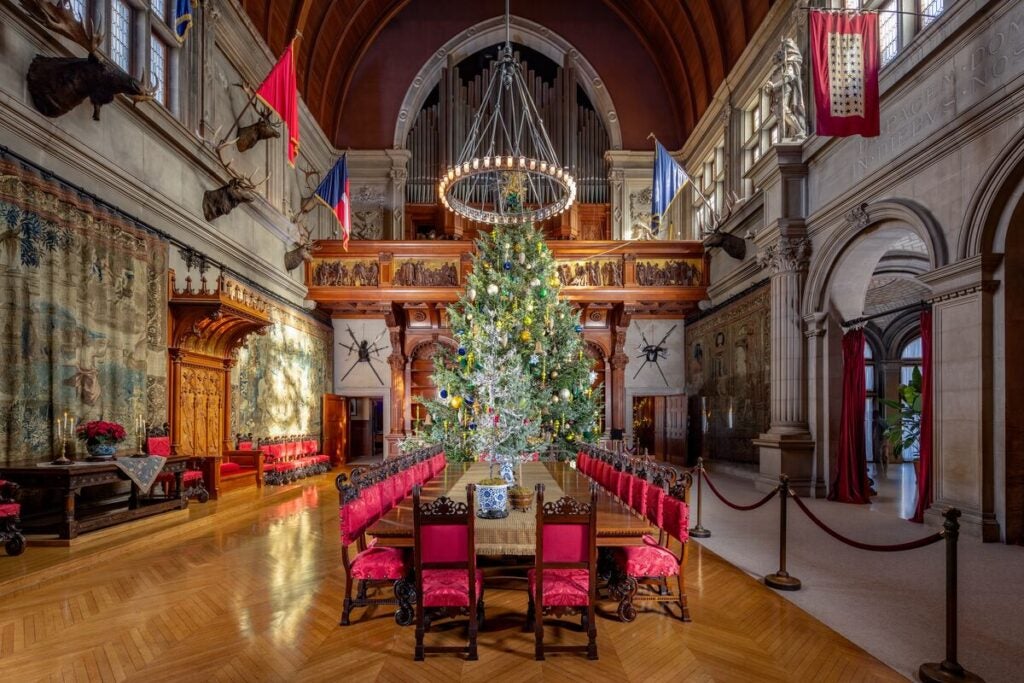
When George Vanderbilt first opened Biltmore House to his family and friends on Christmas Eve 1895, guests were greeted in the Banquet Hall by a splendidly tall tree laden with gifts for estate workers. He enlisted the help of Mrs. Charles McNamee, the wife of his friend who assisted in purchasing land for the estate, to provide Christmas gifts for 300–500 guests, including estate workers and their families. Mr. Vanderbilt greeted everyone in the Banquet Hall on Christmas afternoon, and members of his own family helped distribute the gifts, which included Christmas trees and trimmings for estate employees to decorate their own homes.
“Not only did Mr. Vanderbilt provide very generous Christmas bonuses to employees, but can you imagine what this party meant to employees’ children and families? Some people came from as far away as the Tennessee state line, and that was quite a trip—especially in horse and wagon days,” said Patricia Phillips, Entertainment and Events Manager.
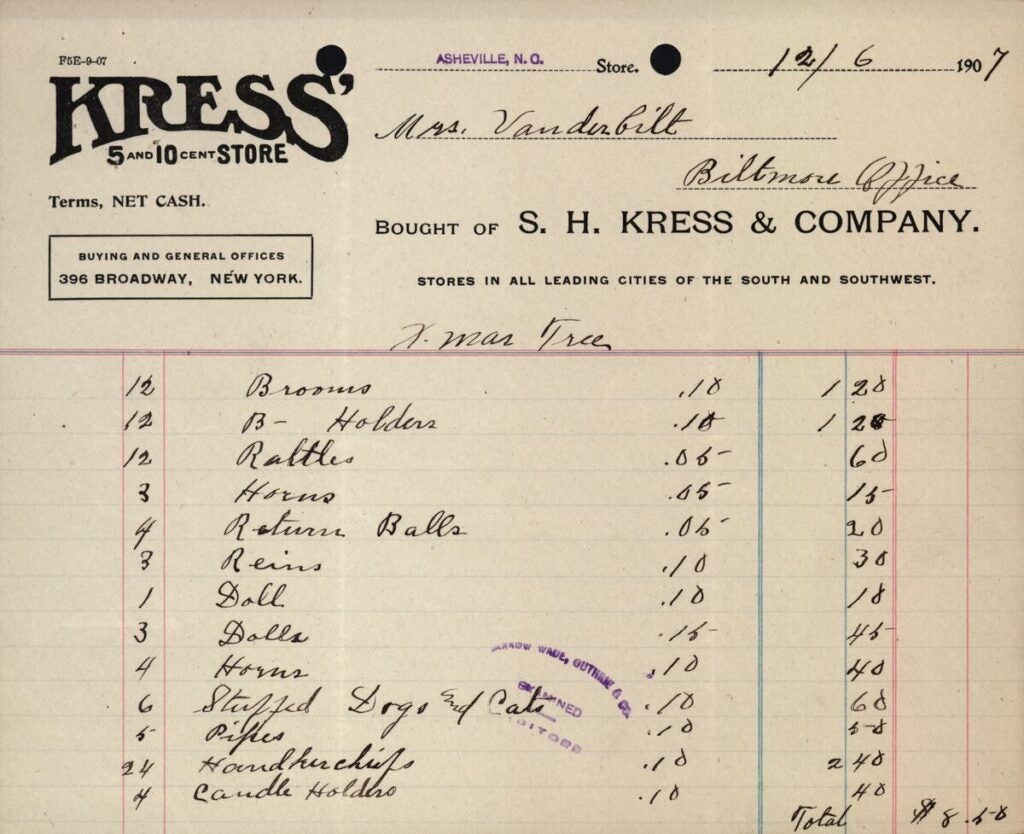
1907 receipt of gifts purchased by Edith Vanderbilt for employees Christmas festivities.
A festive family affair
George married Edith Stuyvesant Dresser in 1898, and she took an immediate and active interest in the estate’s annual Christmas festivities as soon as she and George returned from their honeymoon in October of that year. She began making detailed lists of all employees’ children, their ages, and choosing special gifts for each of them—more than 600 children in all!
In 1905, when George and Edith Vanderbilt’s only child, Cornelia, would have been five years old, the New York Times reported the following details about the holiday cheer at Biltmore:
“Mr. and Mrs. George W. Vanderbilt this afternoon provided for nearly a thousand children of Biltmore estate employees a big tree in the banquet hall of the chateau. The little ones were loaded with useful gifts and toys…bought in Asheville in the last week…Mr. and Mrs. Vanderbilt welcomed each of the little guests, many of whom came twenty miles from the coves and mountain tops of the Vanderbilt forest domain, some walking, some by ox team and some mule back…. Mr. and Mrs. Vanderbilt…personally distributed all the gifts, aided by Mrs. Edith Wharton, Mr. Wharton, and Mrs. Ernesto G. Fabbri (George Vanderbilt’s niece].”
In her oral history, Edith Cauble, whose parents worked on the estate, recalls:
“Christmas parties where Mr. Vanderbilt stood on one side of the front door of the House in tails, and Edith stood on the other side wearing a long velvet dress giving out oranges and candy. In the Banquet Hall there was music and Cornelia would run around with the other children.”
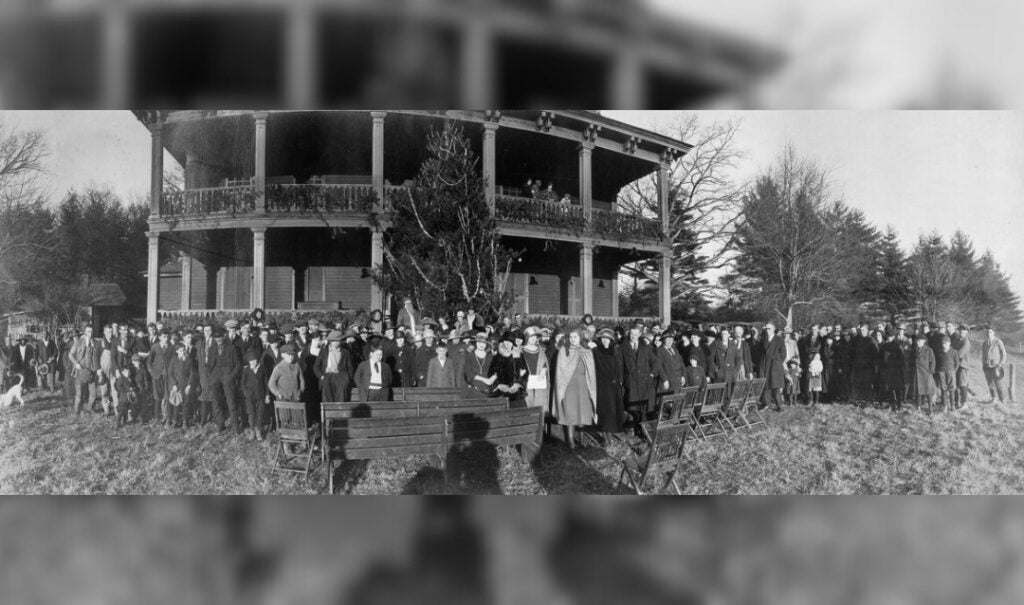
Biltmore employee Christmas party held at Antler Hall in 1916.
Employee Christmas celebrations continue
Edith and Cornelia Vanderbilt continued the employee Christmas parties even after George Vanderbilt passed away in 1914. In 1916, the event took place outdoors at Antler Hall—a large home originally located where The Inn on Biltmore Estate®now sits. In the archival photograph featured here, you can see Edith and Cornelia Vanderbilt in front of the Christmas tree with Santa Claus.
Today’s employee Christmas festivities include visits with Santa!
Modern-day employee Christmas celebrations
Although the wrapped packages under today’s Banquet Hall tree are decorative rather than full of surprises, that doesn’t mean Biltmore has ended the Vanderbilt gift-giving tradition! It’s still a grand occasion with gifts for the children, visits with Santa, and a wonderful opportunity to see America’s Largest Home® lit by the glow of candles and firelight during Candlelight Christmas Evenings.
“It’s really neat to me that this tradition has remained year after year. We’ve modernized it a little with Excel spreadsheets and such, but otherwise, it hasn’t changed that much. We give more than 300 gifts each year, and though they are more contemporary than the presents children would have received in the early 1900s, they always reflect the Vanderbilt spirit of warmth and generosity,” said Patricia.
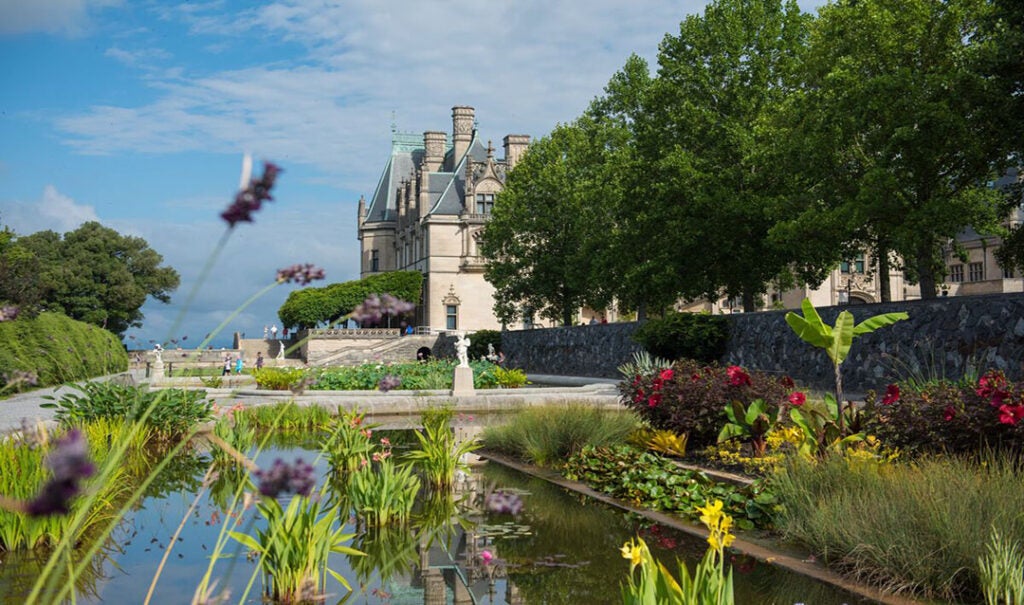
Filled with numerous varieties of exotic water lilies, tropical bananas, papyrus, and koi fish, the Italian Garden pays tribute to George Vanderbilt and Frederick Law Olmsted’s vision each year. Although it’s is one of the most visited areas on the estate, many guests do not realize this special garden is astoundingly accurate to Frederick Law Olmsted’s original design in 1895.
The Italian Garden’s design intent has remained unchanged since Vanderbilt’s time. Two of the pools have been refurbished, and the Hemlock hedges have recently been replaced with American Holly hedges to preserve Olmsted’s visions.
Century-Old Traditions
In early spring, Biltmore gardeners strategically choose which lilies they will order from Tricker’s Water Gardens – the very same supplier that Olmsted used in 1895. The William Tricker Company was one of the first commercial water lily growers in the United States, experimenting with growing and hybridizing water lilies to improve the shape, colors, and hardiness. Olmsted’s keen eye took note of these unique beauties and deemed them a perfect fit for Biltmore, an idea that still rings true today.
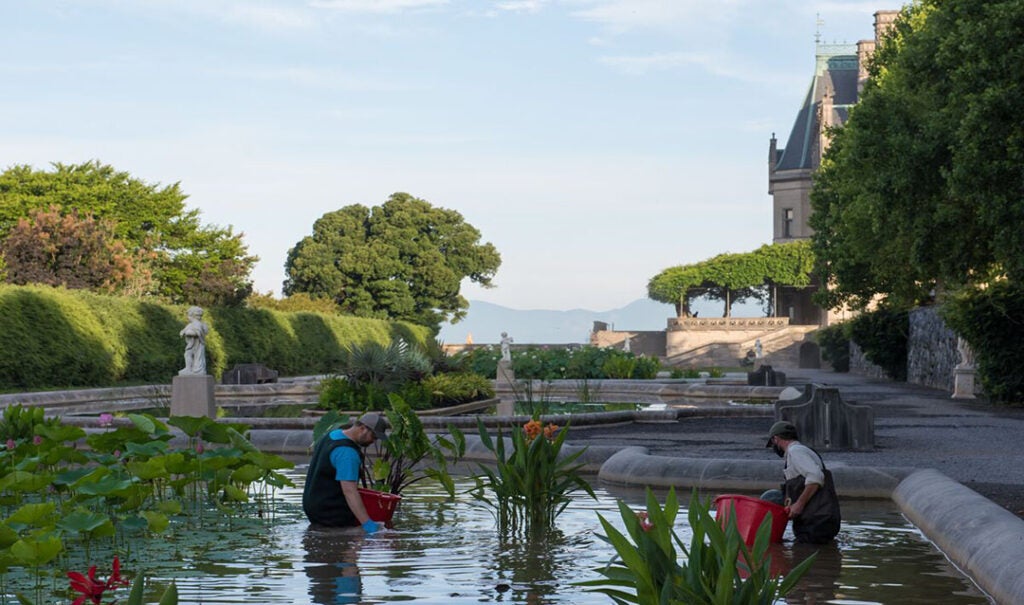
From planting to grooming to cleaning, the Italian Gardens require extensive maintenance. We plant each lily in a 45-gallon nursery pot with a mixture of clay and manure. Then we use a Bobcat to lift each plant into the pool, a process that is no doubt far easier than in 1895. Although “plant metabolism” is a foreign term to most aquatic plant novices, lilies are heavy feeders. We fertilize once a week and groom three times a week throughout the season, usually June to October. Grooming is especially important because the more pollinated blooms you remove, the more new blooms it will produce.
In addition to the lilies themselves being originally sourced from Tricker’s, the pool filtration features the original 1895 technology as well. It’s a natural system with constant water flowing into and out of the pools. The original gravity-fed reservoir provides the water for the pools, which is also used to provide water to the house. This natural filtration is especially beneficial to the dozens of koi swimming about – one of which our gardeners say is close to 50 years old!
Meticulous attention is devoted to preserving the pristine condition of the Italian Garden pools.
Magical Lilies of the Italian Garden
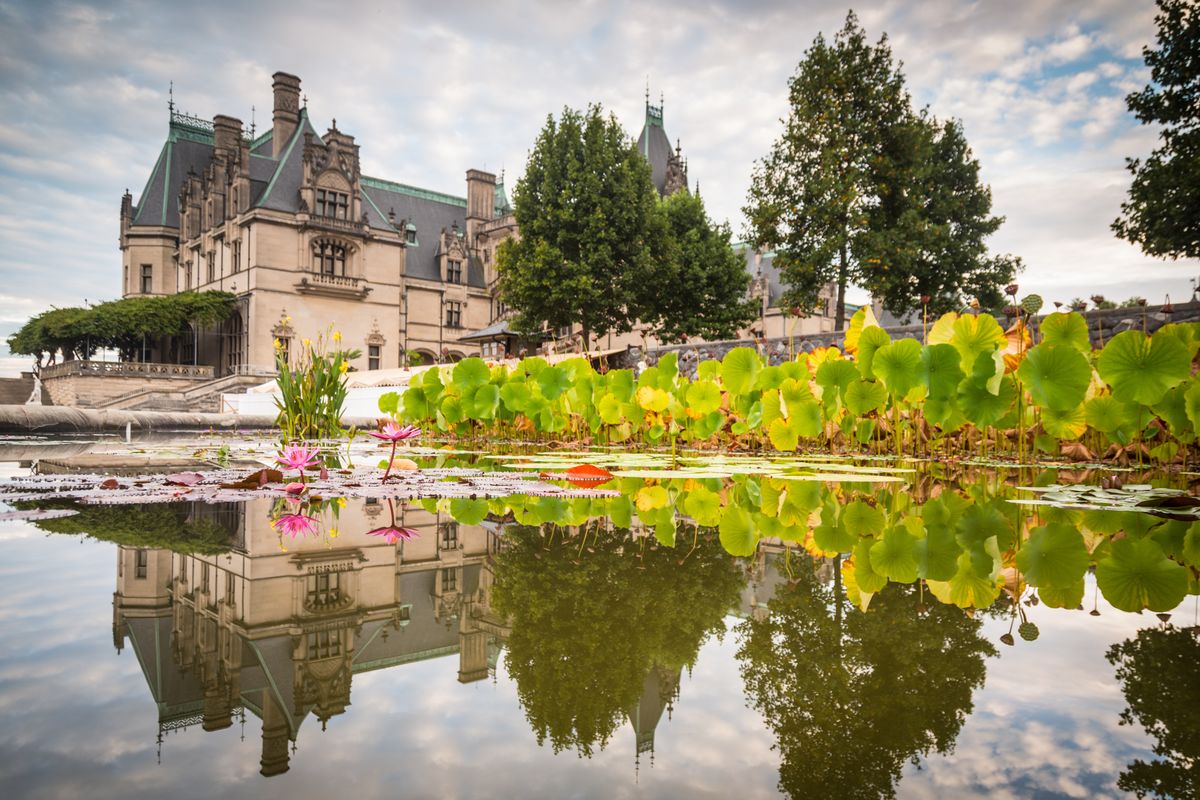
Each year, our team gets excited to see the new hybrids and cross-varieties that Tricker’s Water Gardens offers. They order many of the exact plants featured in 1895, but now with new colors and hardier blooms that Tricker’s has cultivated over the years. Each pool is strategically planned and includes several varieties of night-blooming lilies, the distinct Victoria Water Platters, hardy lilies, and various banana trees and shrubs to add texture and depth.
Each lily variety works together to provide an unforgettable experience, no matter what day or time a guest visits. Night-blooming lilies reach their peak bloom in the early morning and will be completely closed by noon, while day-bloomers will open in the morning and carry into the early evening. Though each plant is expected to show between three to nine blooms at a time, many guests don’t realize that lily blooms only last for three days… a process that can be described as being “sort of magical.”
Hardy lilies typically have standard colors like red, white, yellow, and pink, while tropical lilies produce vibrant blues, purples, and even combinations of color. A favorite of our gardeners? Nymphaea ‘Green Smoke,’ which transitions from green outer petals to blue, then yellow inner petals, to finally having light purple in its center. And in the case of the large Victoria Water Platters, these lily blooms can even change colors. The Victoria is hermaphroditic – when it blooms, it changes from female to male overnight. Beetles are attracted to this flower’s warmth, and as the bloom closes, it traps the beetles inside and forces them to pollinate the flower. The new bloom will change from white to a pink or maroon the next night.
The Italian Garden pools in summertime are filled with aquatic plants such as tropical water lilies, Victoria water platters, papyrus and huge lily pads. Photo credit: The Biltmore Company.
Uniquely Biltmore
In 2014, the Italian Garden closely resembles the original outline by Olmsted, with our experts saying the only main difference being the center bed display. Today, we use a more contemporary garden design with banana trees and elephant ears. Also, due to the sheer amount of lily varieties available now, we’re able to create a mosaic effect out of the different colors they would not have had back then.
The Italian Garden serves as an introduction to aquatic gardening for many Biltmore guests, as water gardens are not something often seen. It draws thousands of admirers each spring and summer, and the garden has even inspired a few to create their own water garden at home. According to our horticulturist, this water garden is as good as you’re going to see pretty much anywhere in the United States, but it’s a bit different. It’s uniquely Biltmore.
Summertime in the mountains brings to mind thoughts of hiking trails, camping along clear creeks, and marveling at a cascading waterfall—sometimes all on the same excursion.
The call of the wild
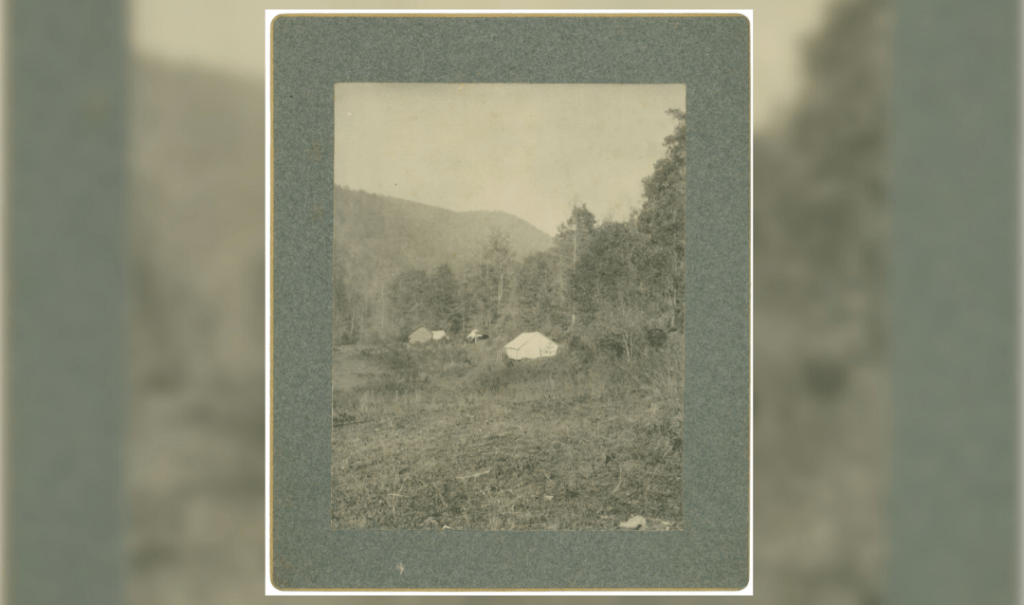
Excursions were multi-day affairs, with campsites like this one being moved to new locations every few days.
Just as many of us do today, George Vanderbilt and his friends often found the lush forests of Western North Carolina calling their names. They frequently headed out for multi-day trips to explore the beauty of Pisgah Forest, according to information gathered by Lori Garst, Curatorial Assistant in Museum Services.
Several years before George Vanderbilt’s Biltmore House was completed, the call of the mountains led Vanderbilt and his friends into the forest to camp, fish, shoot, and enjoy the beauty of Western North Carolina.
Gearing up for success
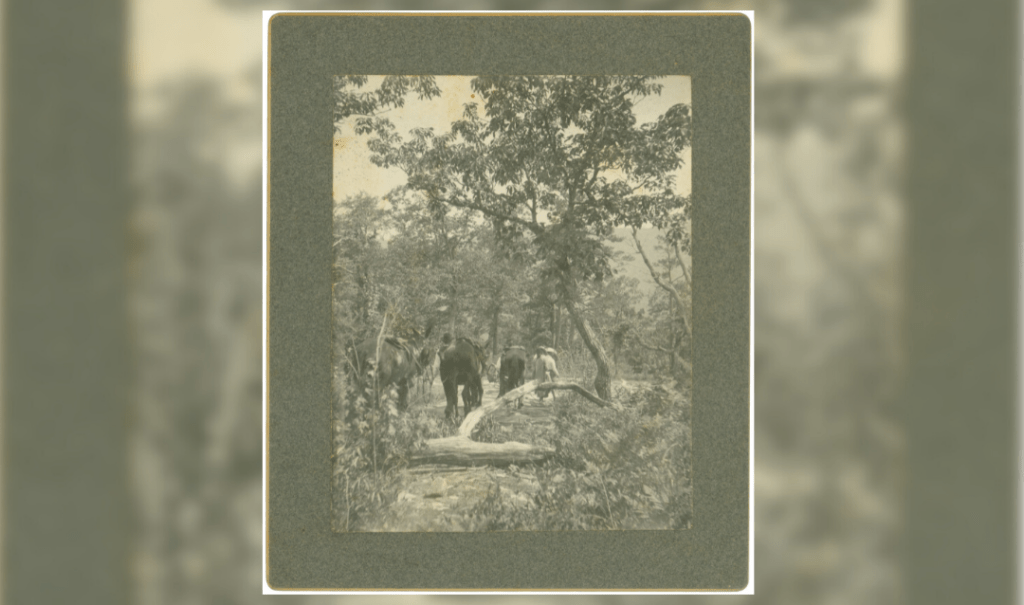
Mules could carry up to 20% of their bodyweight for 20 miles a day, during excursions.
In June 1893, Estate manager Charles McNamee wrote to Dr. Westray Battle that he was so glad that Dr. Battle would be joining Mr. Vanderbilt’s camping excursion. McNamee prepared Battle by telling him that the group was headed to a place near Brevard where they would be met by Mr. Vanderbilt’s mules and then would proceed on towards the camp. McNamee outfitted the party for fly fishing and recommended that Battle take a firearm “for service or sport.”
Calming any hesitation about roughing it in the backwoods, the Estate manager assured Dr. Battle that there would be tents, a cot for each man, and even a cook. McNamee writes, “I thought it better to be semi-respectable in our camp rather than to be absolutely savage…”
The great excursion of 1901
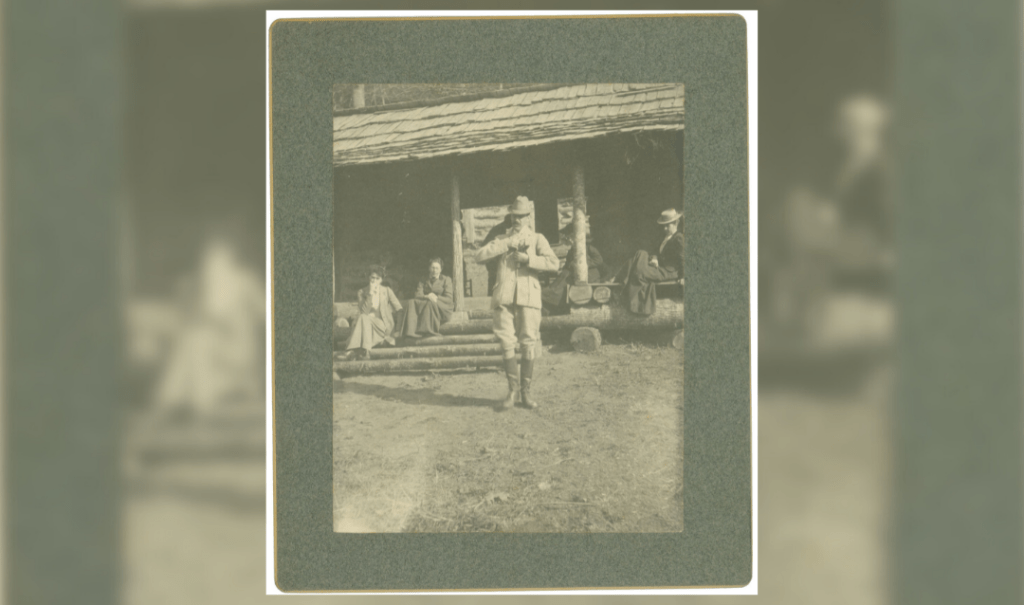
Schenck’s workers built George’s second lodge in three days, earning it the nickname “Three-Day Camp.” The cabin had six rooms, a porch, and a dining room.
Years later, a series of photographs taken by Dr. Carl Schenck, Estate Forester, document a lively 1901 trip into Pisgah by Mr. and Mrs. Vanderbilt. Included in the large party were Dr. Battle, Marion Olmsted (F.L. Olmsted’s daughter), and Dr. Schenk. The Vanderbilts returned from an extended stay in Europe on June 6 and, without wasting any time, Charles McNamee began arranging for the outing within a few days.
McNamee ordered two tents on June 8, 1901; however, he received no reply. Requests for the tents continued until June 26. All other provisions for the excursion were in order. Perhaps in response to the lack of tents, a plea came from Vanderbilt to Schenck to build a place where the group could stay near Looking Glass Rock.
Revisiting lost memories
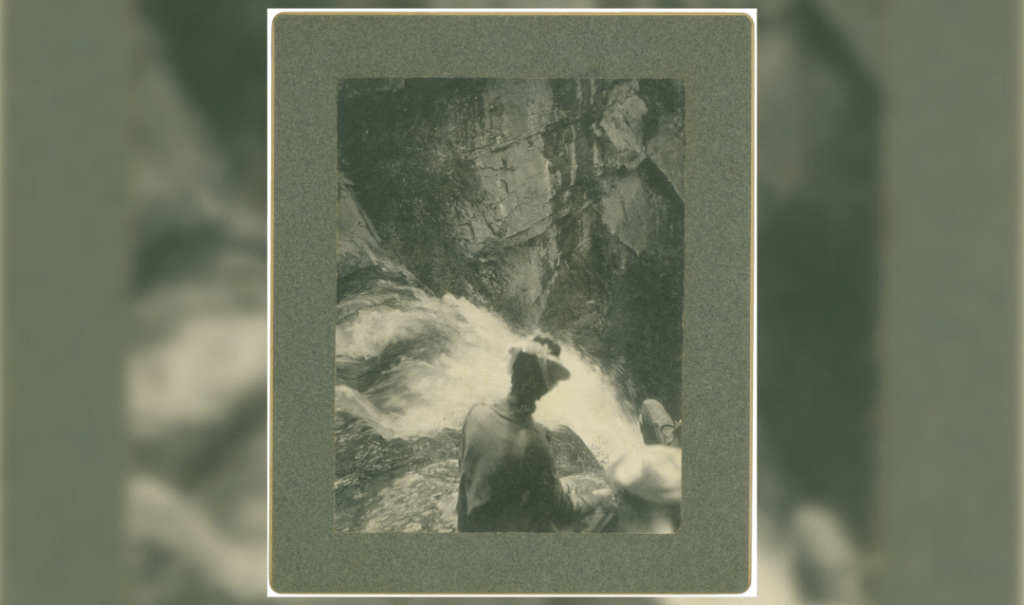
Edith Vanderbilt favored the beauty of Looking Glass Falls.
We are fortunate to have 22 photographs documenting the Vanderbilts’ excursion in 1901, beginning on June 30 with a photo of the group of men with mules. The remaining images show the trip to Looking Glass Rock with stops along the way at Looking Glass Falls, an unnamed waterfall which we now recognize as Sliding Rock, Looking Glass Creek, and “Three-Day” Camp. The final image is of Carl Schenck’s house in Pisgah with the men and mules. The back reads, “Making ready to leave for Buck Spring Lodge July 1, 1901.”
Plan your mountain escape!
Today, you can still visit the many sites the Vanderbilts’ went to in 1901 including Looking Glass Rock, Sliding Rock, and Looking Glass Falls. There are several camping spots in the area perfect for your summer getaway, too!