Time travel with us to explore George Vanderbilt’s visit to Japan that began on September 1, 1892.
George Vanderbilt’s visit to Japan
Just as visitors do today, Vanderbilt and his cousin, Clarence Barker, toured countless temples and other cultural sites during their visit to Japan. But they apparently worked in some shopping as well, as Biltmore’s archives indicate.
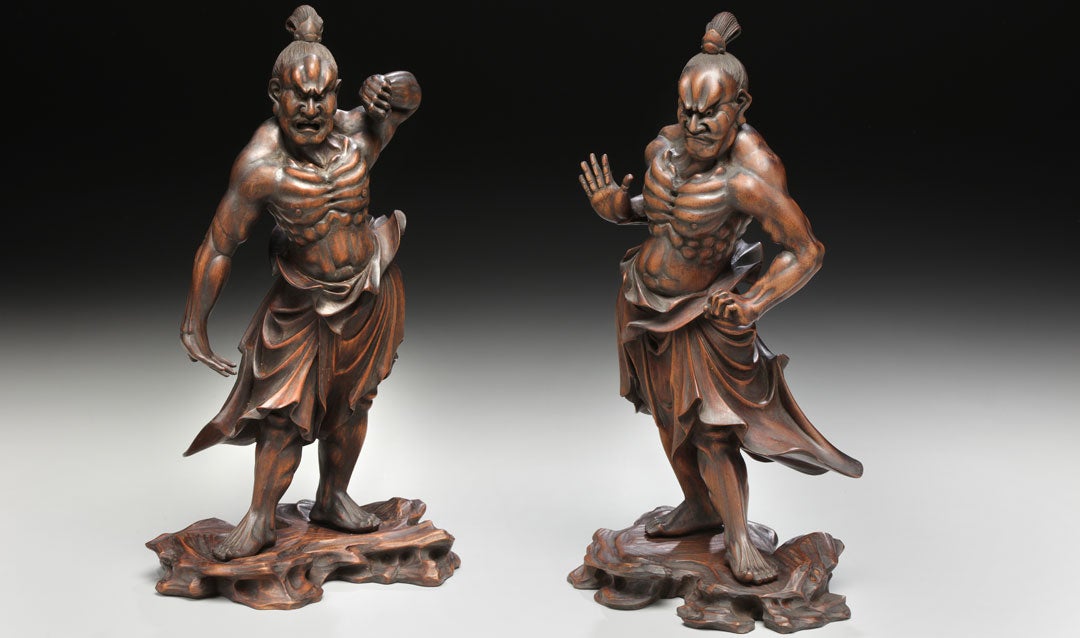
Like most of us, George Vanderbilt purchased souvenirs to remind him of the fascinating places he visited. Unlike us, however, he had a 250-room home under construction with plenty of space for accessories!
Perceptions of other places
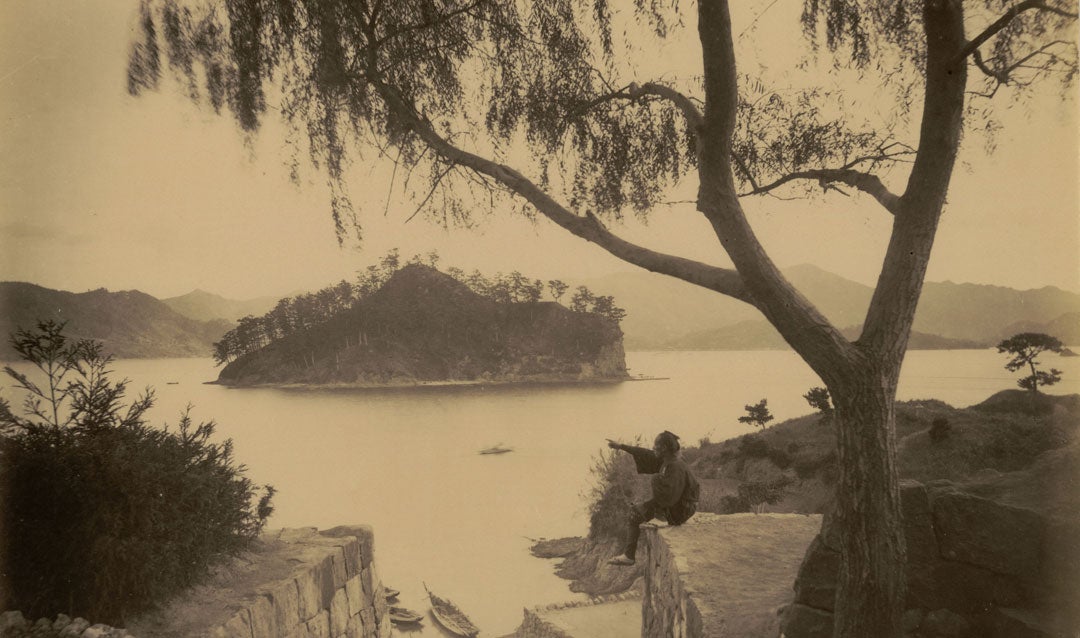
Today, it’s hard to imagine how “foreign” Japan seemed to Americans at the end of the 1800s. The country had been closed to most Westerners for 200 years, only opening somewhat to trade beginning in the 1850s.
In Vanderbilt’s time, Japan was viewed as a place untouched by the west’s industrialization and modernization. Popular literature of the time evoked a far-off land where feudal traditions persisted and its people lived a simpler life.
To many Americans, Japan and its culture was exotic and rooted in tradition, offering a blend of spirituality and aesthetic beauty. To George Vanderbilt, deeply interested in history, the arts, and collecting, the allure must have been irresistible.
A far-east adventure
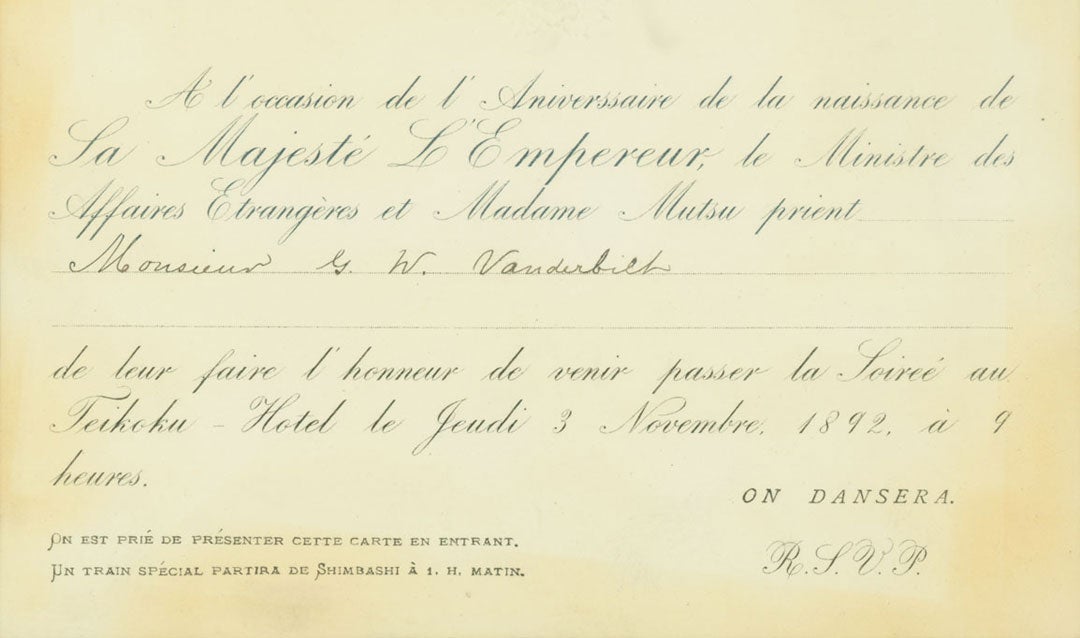
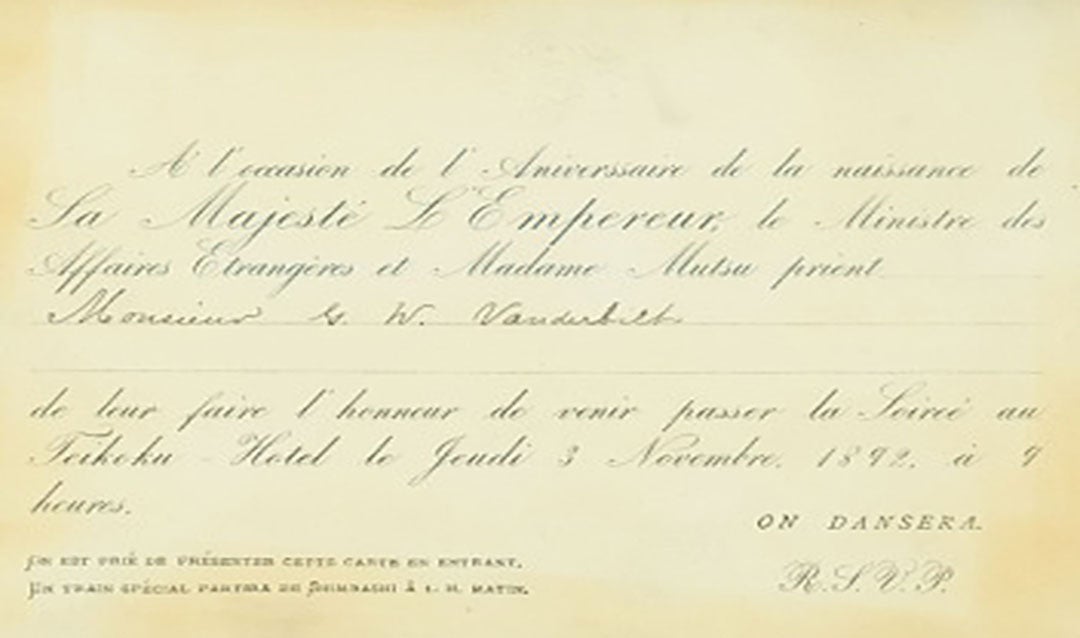
The trip itself was an adventure. Vanderbilt and Barker—one of his favorite traveling companions—had just returned from Spain when an invitation arrived to attend the Emperor of Japan’s birthday celebration. Soon after, they packed their trunks and, on September 1, 1892, embarked on the first leg of a 10-week itinerary.
First, they accompanied Biltmore architect Richard Morris Hunt to Chicago to see his preliminary work on the World’s Columbian Exposition.
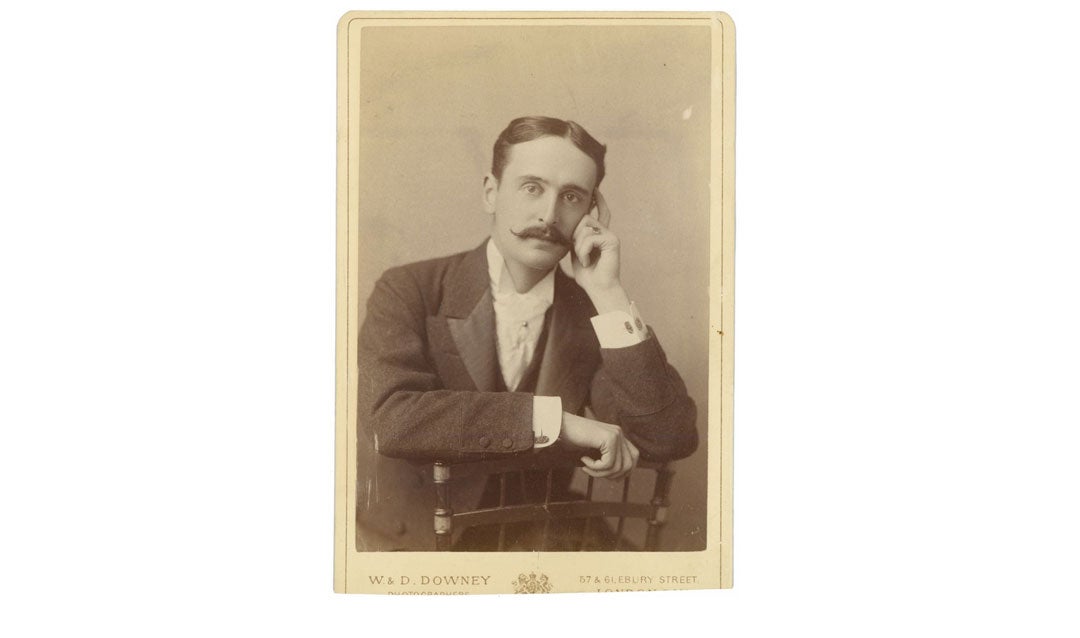
From there, the pair continued westward, stopping in Yellowstone National Park at the Mammoth Hot Springs hotel. Upon reaching San Francisco, they boarded ship for the week-long journey to Yokohama to begin their exploration of Japanese culture and customs—and evidently, quite a bit of shopping!
Shopping for souvenirs
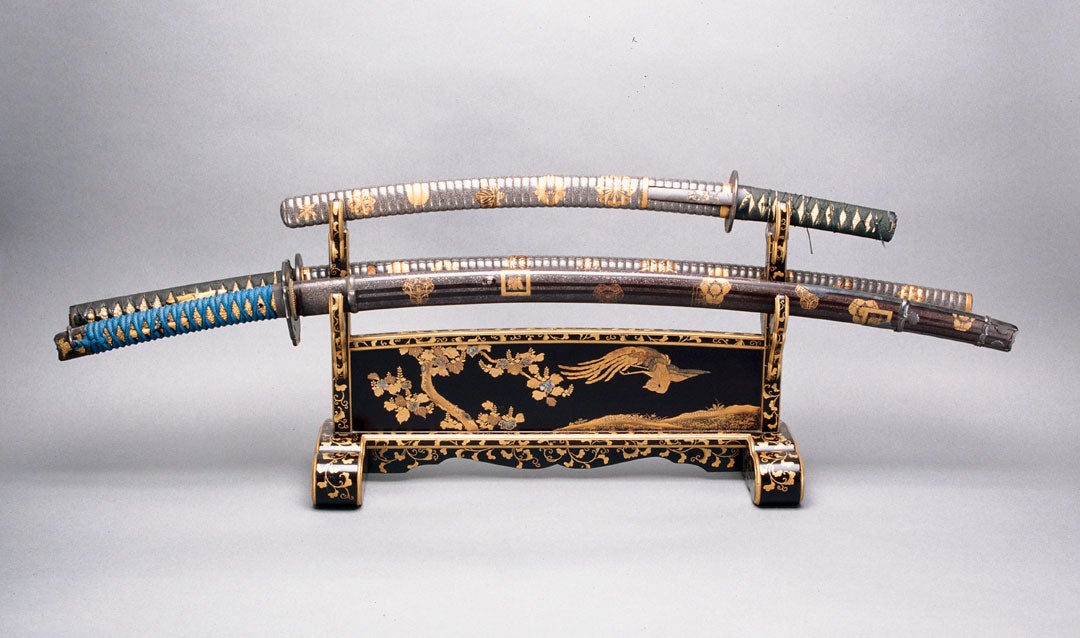
Antiques shops and art dealers were obviously part of the itinerary, as Vanderbilt eventually shipped 32 cases of art and decorative objects back to America. Among his purchases were:
- Satsuma ceramics, including a koro or ceremonial incense burner, for $85—a significant sum 122 years ago
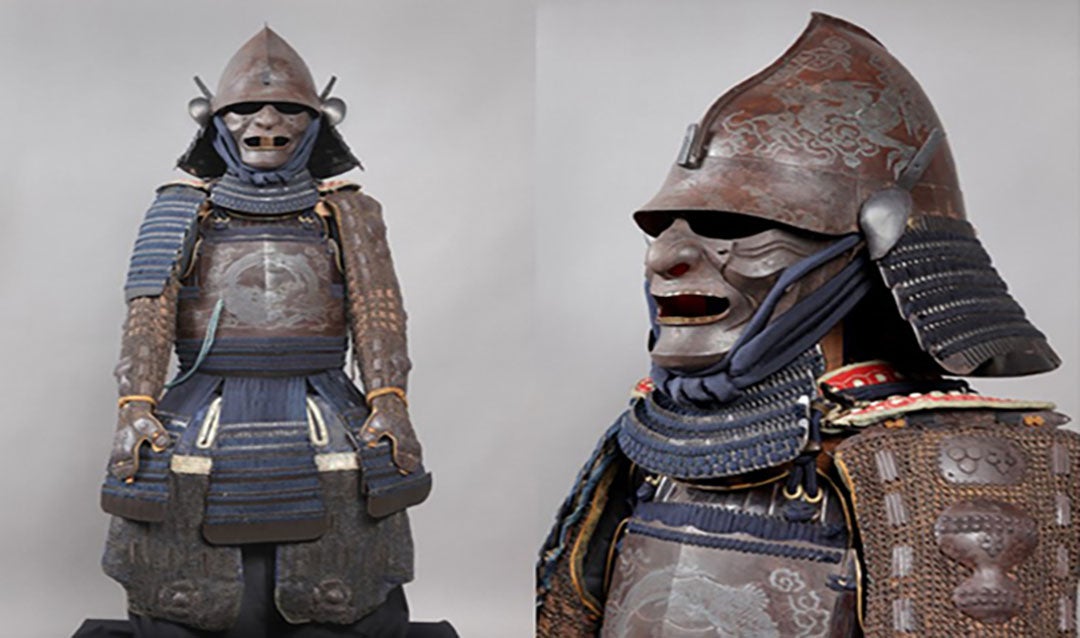
- Two suits of samurai armor along with spears and swords
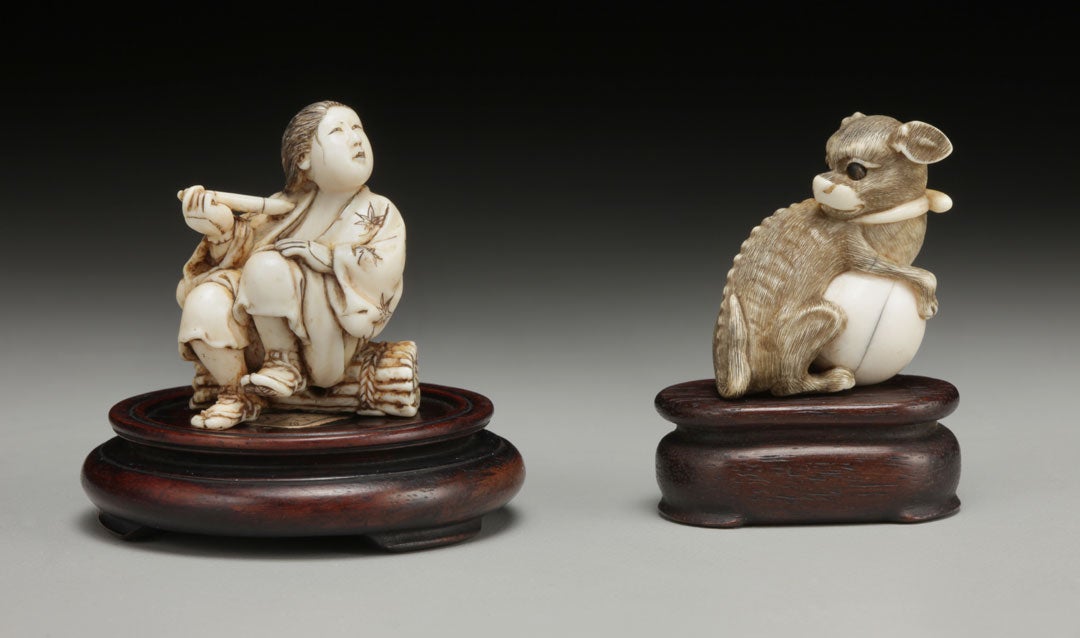
- Netsuke—miniature sculptures originally used as kimono toggles
- Bronze sculptures
- Lacquer boxes and sculptures
- Varied screens and fans
- Bamboo curtains
- 1,000 festive paper lanterns
Time travel today at Biltmore
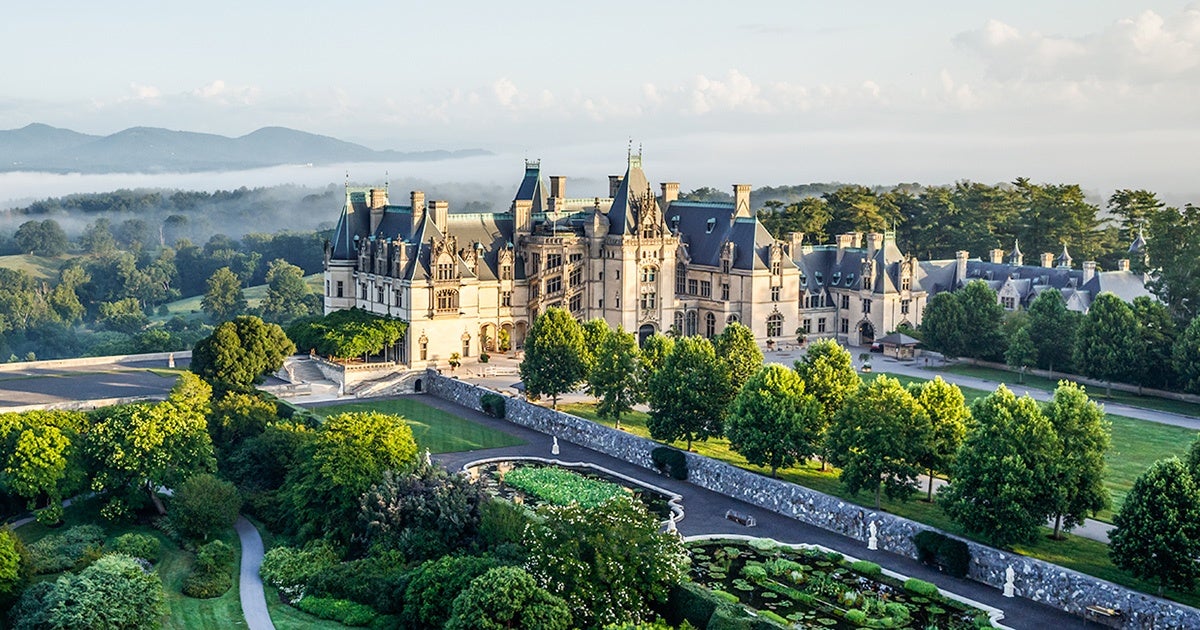
We hope you’ll consider Biltmore in your current and future plans. It’s an excellent place to “time travel” into our storied past!
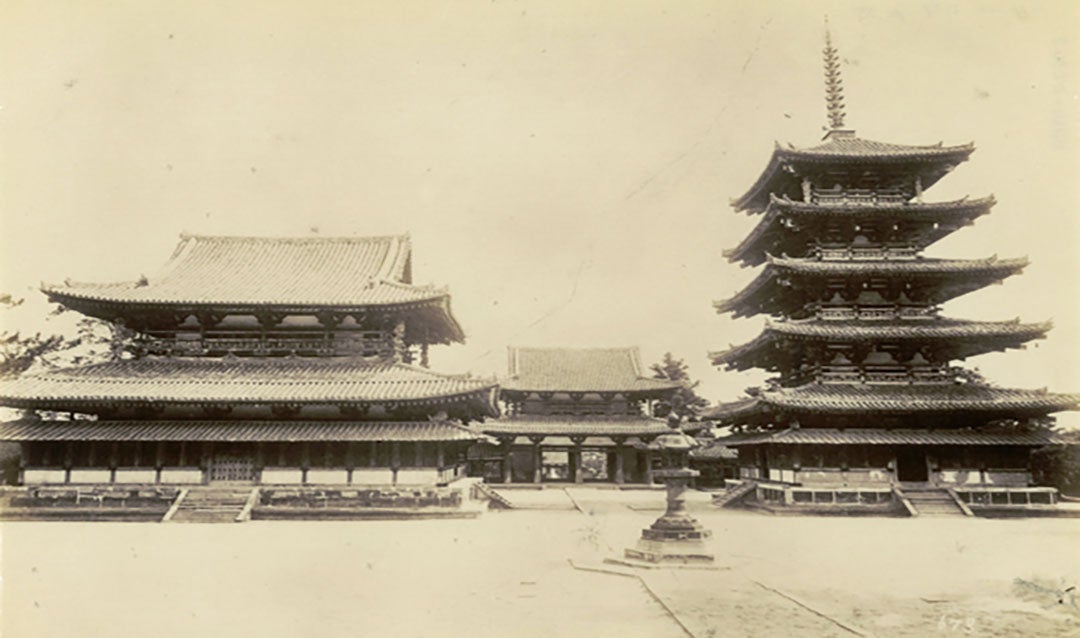
Featured image: Pagoda at Horinja-Nana. Photo purchased by George Vanderbilt, 1892


 ‘Queen of the Night’ cactus in bloom



crop.jpg)




 The Pergola once served as a resting place overlooking a lawn tennis court popular with Edith and Cornelia Vanderbilt and their friends. In 1919, Edith asked Chauncey Beadle, estate superintendent, to convert the original “lawn” court to a clay court; the court was later removed.
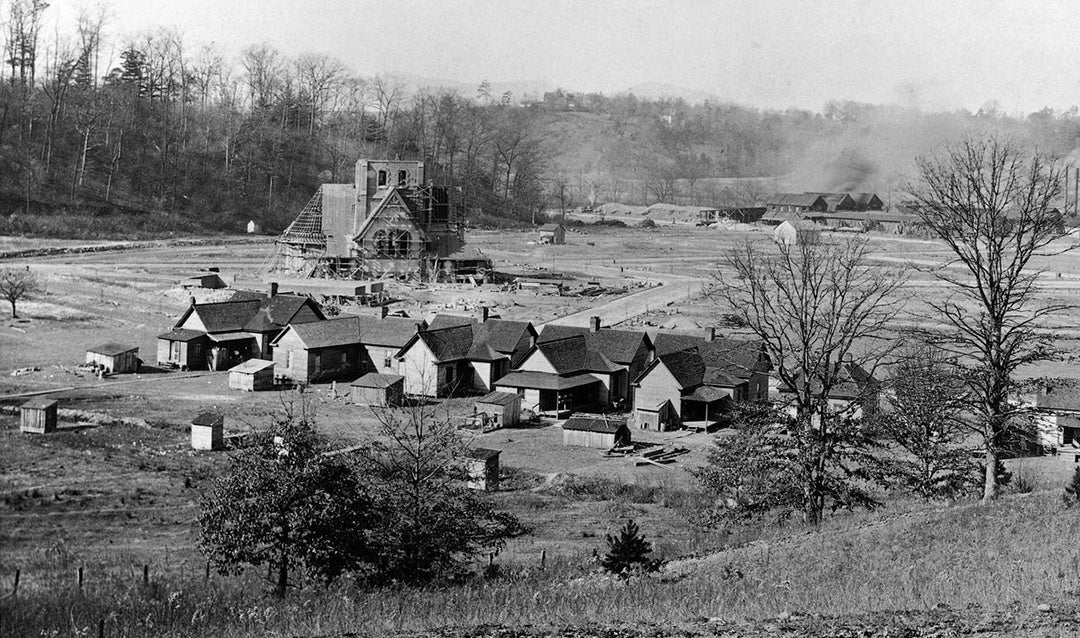
 The Pergola itself dates back to the construction of Biltmore House. Grading and construction began in 1891 under the direction of architect Richard Sharp Smith and landscape architect Frederick Law Olmsted. This archival photo shows the walking paths from the Pergola through the Shrub Garden and Walled Garden completed, with the Pergola underway and, in the distance, the Conservatory under construction.
 Limestone columns and massive wooden rafters form the structure that was originally crowned with ivy. According to Bill Alexander, retired Biltmore landscape and forest historian, Olmsted specified English ivy to be planted at the base of the columns in 1892. “This look of being ‘festooned’ with ivy was typical of Olmsted’s design intent,” Bill said.
  By 1895, wisteria was planted on the South Terrace and trained to grow out over the Pergola through gaps in the limestone wall created for this purpose. Nearly a century later, Biltmore’s landscape team removed the vines from the top to protect the walls from damage caused by roots, resulting in the leafy and peaceful setting enjoyed today.