Shedding New Light on Biltmore’s Halloween Room

There’s no doubt that the unusual wall decor in the Halloween Room of Biltmore House has raised many questions throughout the years. Ongoing archival research and discoveries from our Museum Services team allow us to shed new light on the origins of this brightly-colored room.

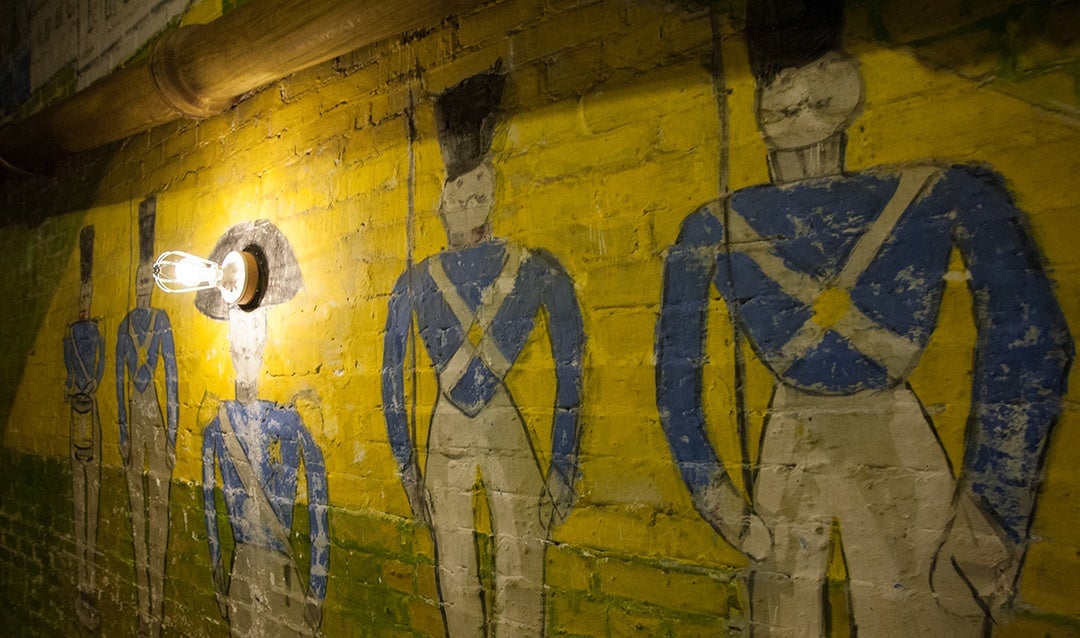
Soldiers painted on the walls of Biltmore's Halloween Room
Painted soldiers depicted in Halloween Room mural

Naming the Halloween Room

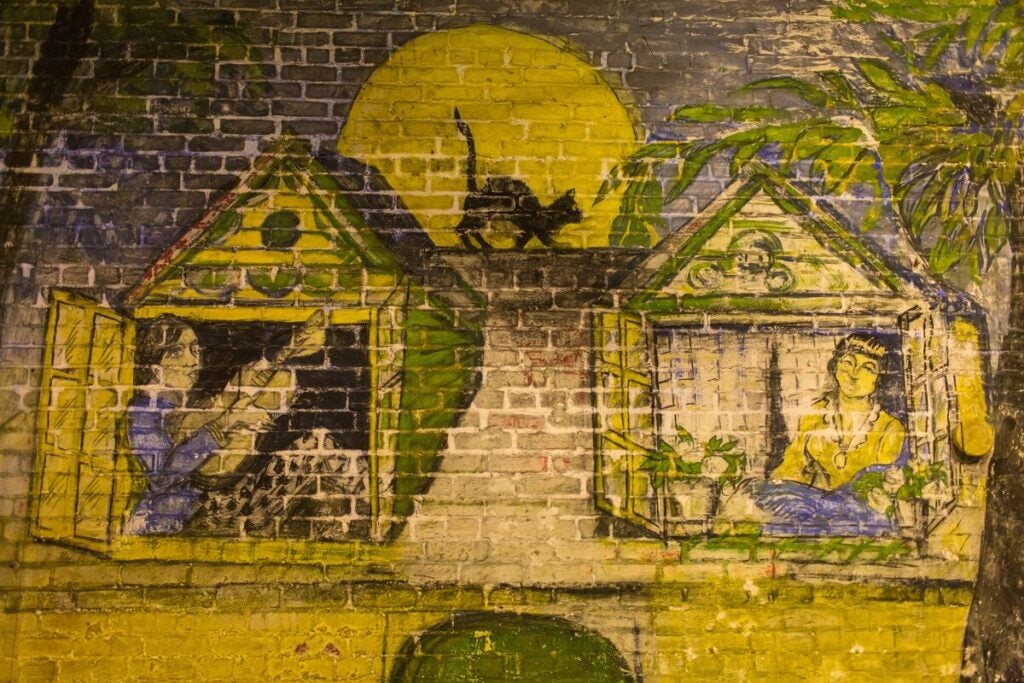
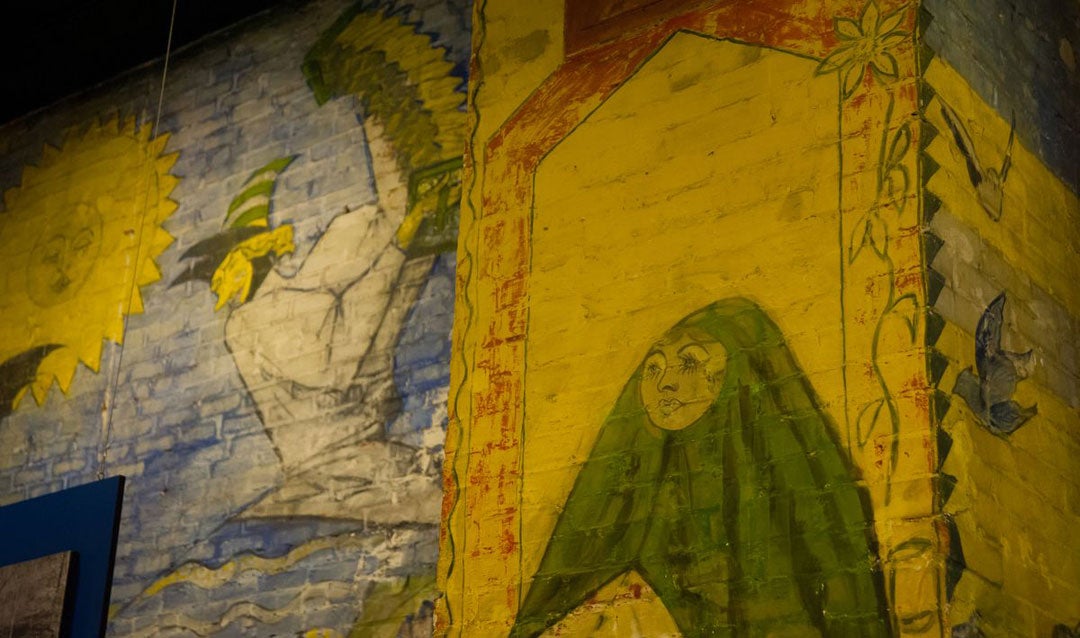
Witches, bats, and black cats don’t usually come to mind when you think of Biltmore, but deep in the basement of America’s Largest Home®, there’s a cavernous room with brick walls painted in brightly-colored murals depicting an array of such creatures.

The paintings include characters from folklore, a platoon of soldiers, and other imaginative imagery that eventually caused this area to be dubbed the “Halloween Room.”

For many years, the colorful murals remained a bit of a mystery, with some thought that the room was the scene of a 1920s Halloween weekend house party during which guests of John and Cornelia Cecil were invited to make their mark on the walls.

Subsequent research revealed, however, that the paintings were created in December 1925 to prepare the room for a New Year’s Eve celebration–but that still didn’t explain the slightly eerie tone of the murals.

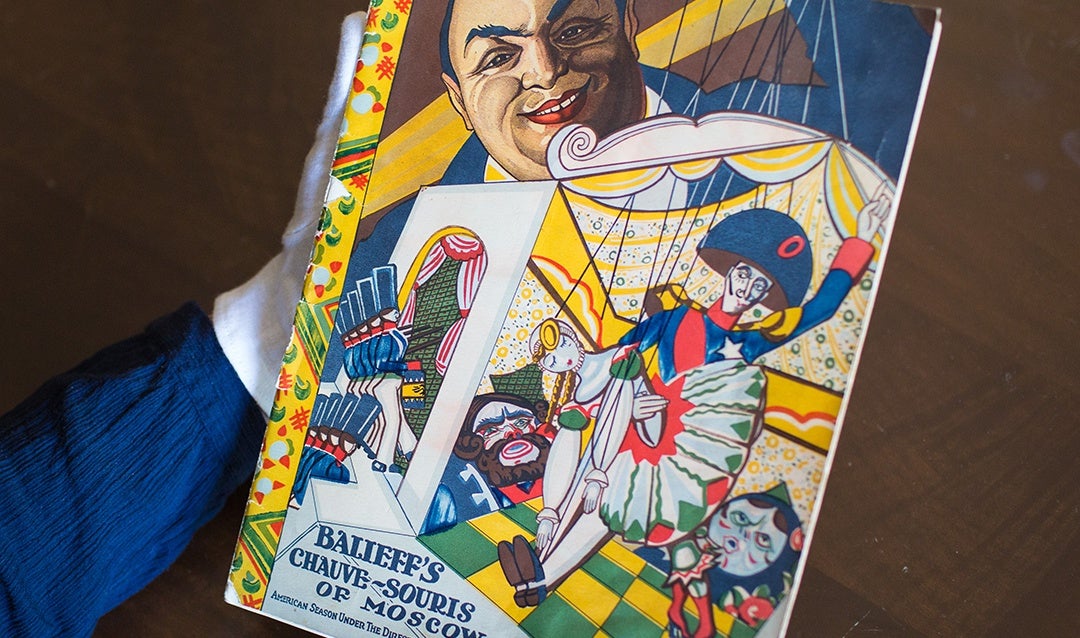
Theatrical program for La Chauve-Souris

Uncovering the inspiration behind the murals

Our Museum Services team discovered an obscure connection between the scenes on the walls and an avant-garde Russian cabaret and theatrical troupe called La Chauve-Souris, which translates to The Bat.

The troupe toured America in the 1920s, performing on Broadway in 1922 and again in 1925. The vaudevillian comedic acts were set off by abstract sets designed by two Russian artists, Sergei Sudeikin and Nicolai Remisoff. The show met with great success, triggering a rage for all things Russian in New York City and beyond.

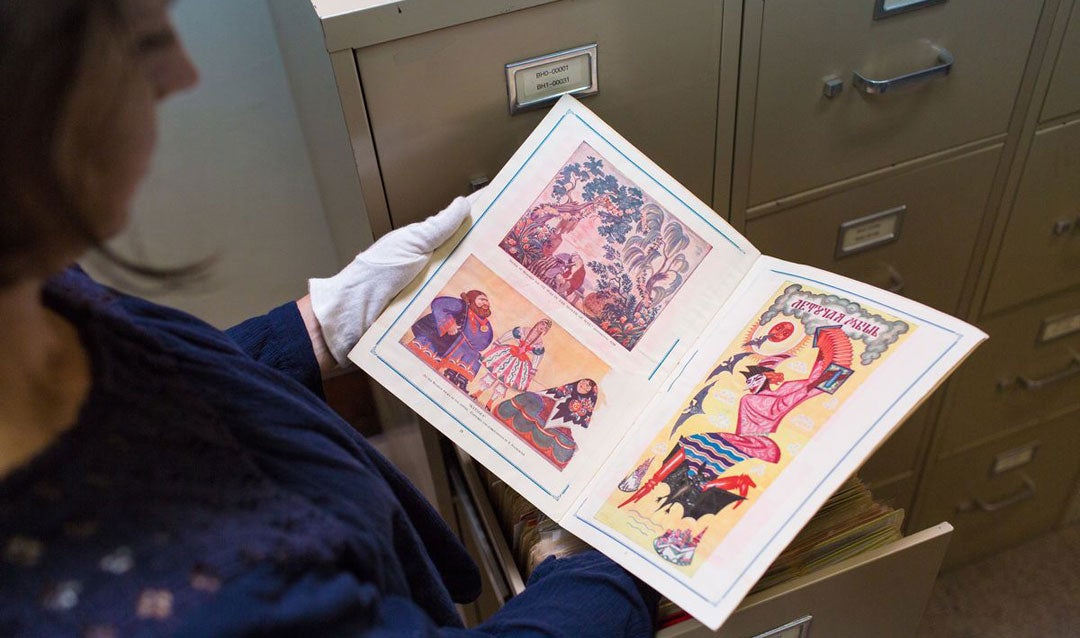
Staff looks at an archival copy of La Chauve-Souris theatrical program
Leslie Klingner reviews an archival copy of the La Chauve-Souris program

The Cecils must have been fans of the cabaret as they and their friends created their own version of La Chauve-Souris on the basement walls of Biltmore House. Most of the murals were drawn directly from Remisoff and Sudeikin’s illustrations for the theatrical program. 

After three weeks of painting, the Cecils hosted a Bohemian ball on December 30, 1925, as part of their New Year’s celebration.

“This connection was really exciting to us because we didn’t expect it at all,” said Curator, Leslie Klingner. “It wasn’t until we read an autobiography of a local man who went to that party that we put it together.”

Painted scenes in the Halloween Room

“The best party I have ever attended”

The Charleston Daily Mail reported that 100 guests attended the Cecil’s New Year’s Eve festivities. One costumed attendee, local resident James G.K. McClure, recalled arriving in the basement of Biltmore with his wife Elizabeth, armed with a guitar and an old accordion, to find a room full of “cauldrons and pots and glowing fire … all around.” 

Enchanted by the unexpected theatrics, he wrote a detailed account of the holiday soiree to a friend, reminiscing that it was “the best party I have ever attended.”

Halloween Room mural in Biltmore House
Painted scenes in the Halloween Room

A new look inside the glamourous soiree

“We know that John and Cornelia Cecil were interested in many aspects of Russian culture, and Biltmore House wasn’t the only place Cornelia painted using these sorts of images. Combine that with their flair for entertaining, and you get what must have been the social event of the Asheville season,” shares Curator, Meghan Forest.

We also know that friends and family traveled from far and wide to attend the exciting soiree. Among the attendees were Cornelia’s recently remarried mother, Edith, and her second husband, Senator Peter Gerry from Rhode Island. Also present was John Cecil’s brother and his family from England.

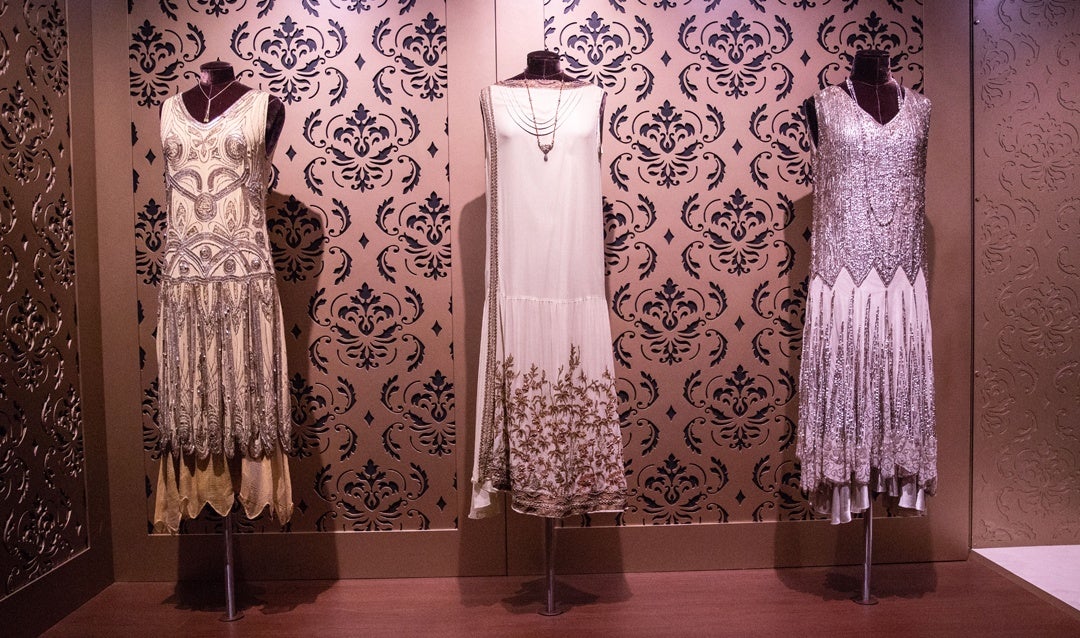
According to Meghan, a recently discovered newspaper article also mentioned that Edith and Cornelia wore similarly styled costumes featuring bright colors, bouffant skirts, and brilliant shawls befitting the theme. “For a social event of this profile, they were likely wearing clothing that was custom-designed for them,” shares Meghan.

The article also stated that the nearby dressing rooms were used as private dining rooms for small groups, helping us better understand how the family and guests would have utilized the vast basement level of Biltmore House during this era.

Panels from
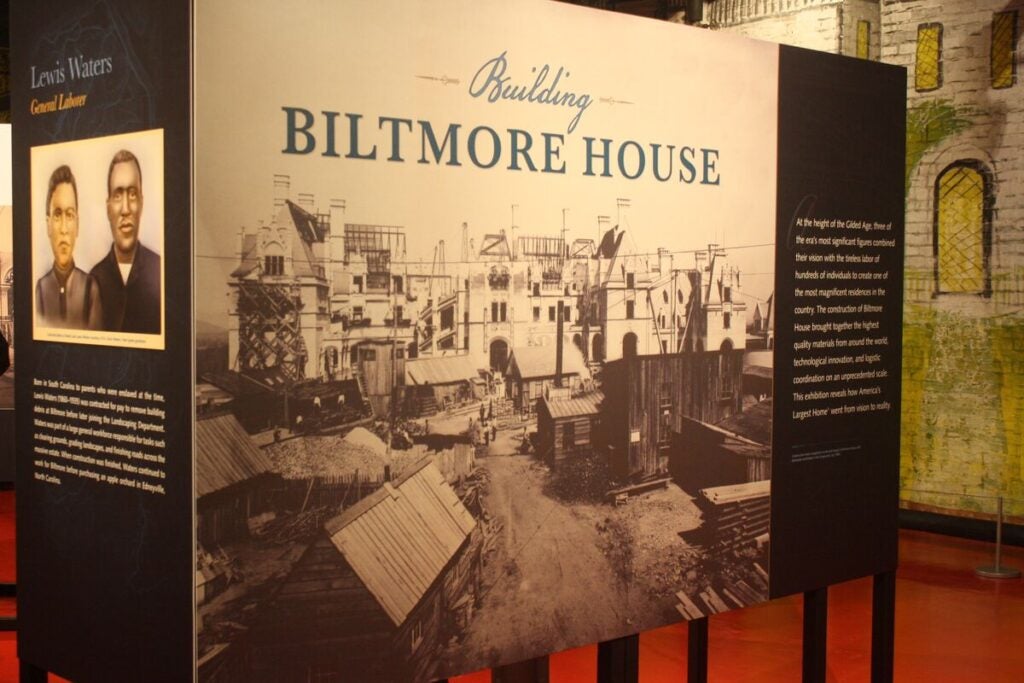
Our Building Biltmore House exhibition explores the construction of George Vanderbilt’s magnificent home—a massive project that took hundreds of workers seven years to complete.

On display in the Halloween Room: Building Biltmore House

In addition to piquing the curiosity of our guests, the Halloween Room currently showcases our Building Biltmore House exhibition which features additional in-depth information about the people, circumstances, and innovations surrounding the building of George Vanderbilt’s magnificent estate.

Building Biltmore House also offers a special focus on the craftsmanship and labor of the employees who worked on the project rather than just the construction techniques.

Crowdsourcing Biltmore’s 2019 Christmas Wine Labels

Thank you for enjoying this archived information about our 2019 Christmas at Biltmore wine labels!

Ready to pour on the cheer this holiday season? We’re excited to share the process of crowdsourcing our 2019 Christmas at Biltmore® Wine labels!

“In previous years, we held a competition for artists to share their interpretation of what Christmas at Biltmore means to them,” said Jill Whitfield, senior wine marketing manager. “We chose several finalists, then asked our online audience to vote for their favorite design.”

Crowdsourcing for creativity

In 2018, Biltmore Wines decided to shake things up a bit. Instead of asking artists to submit their work, they asked our Facebook followers to help them develop that year’s Christmas label, one step at a time.

It worked so well that we decided to repeat the process of crowdsourcing our 2019 Christmas at Biltmore Wine labels.

Creating mood boards

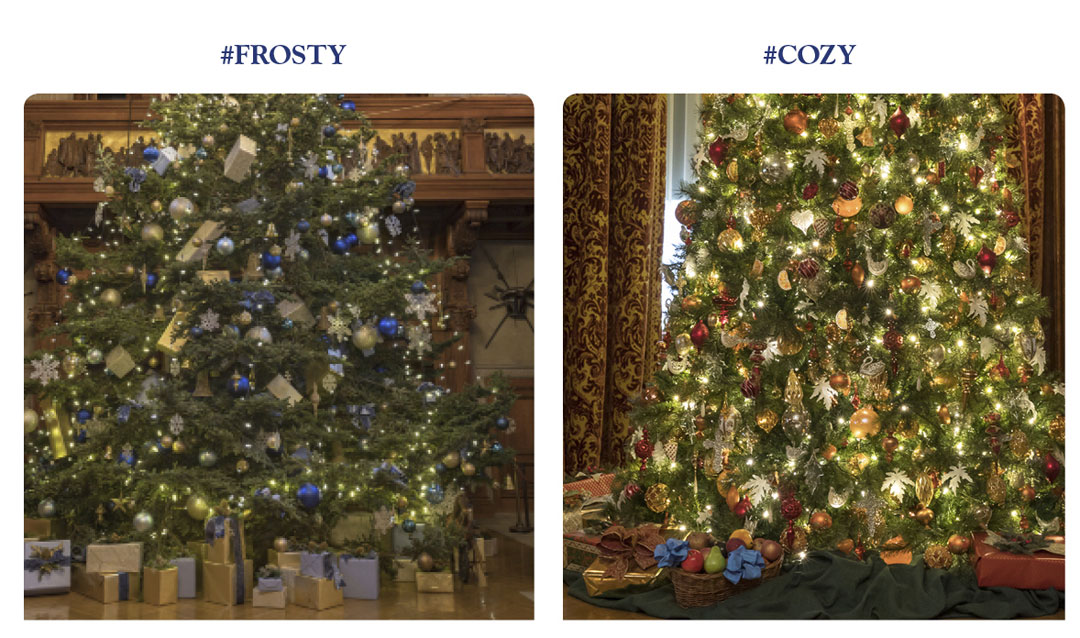
Mood boards with frosty and cozy themes

Mood boards featuring #Frosty and #Cozy elements

“First, we worked with Biltmore’s art team to create a pair of mood boards,” Jill explained. “One featured #Frosty elements including a palette of cool, wintry colors and silvery metallics. The other was #Cozy, with warmer tones and sparkling gold ornaments. We then posted them on Facebook and asked our fans and followers to vote for their favorite mood.” 

Setting the tone

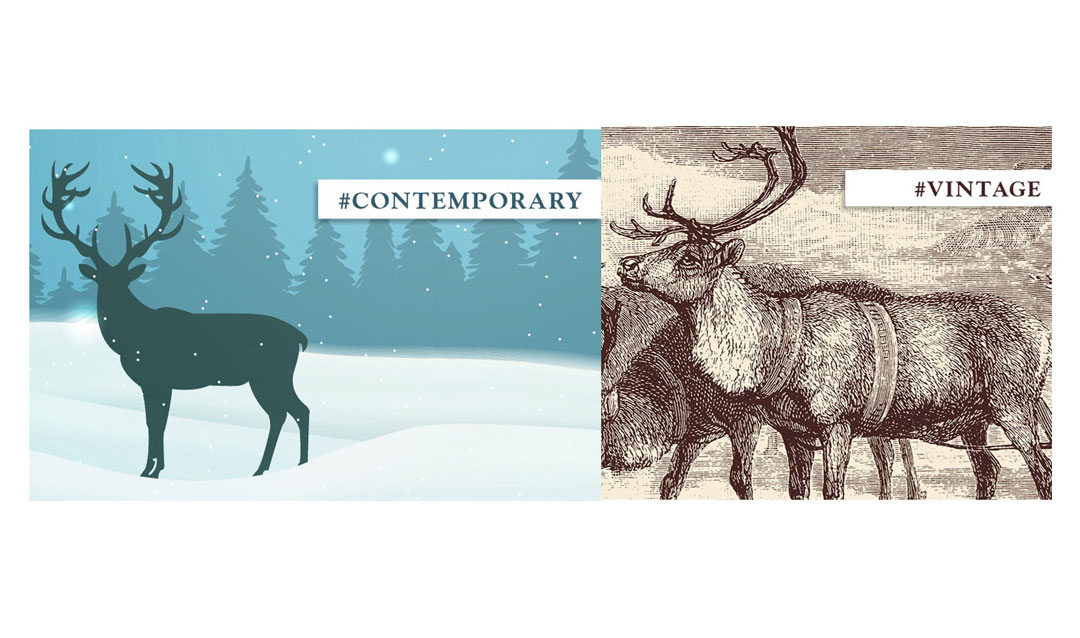
For the second phase of voting, Lisa Vogel, Art Director, pulled together two “tone” boards so voters could choose between themes representing a #Vintage look represented by an old-fashioned Christmas card and a #Modern look with a clean graphic feel.

Facebook fans liked both of the themes, but their final preference was for #Vintage.

Theme boards with #Modern and #Vintage elements

Boards with #Contemporary and #Vintage themes

Crowd favorite

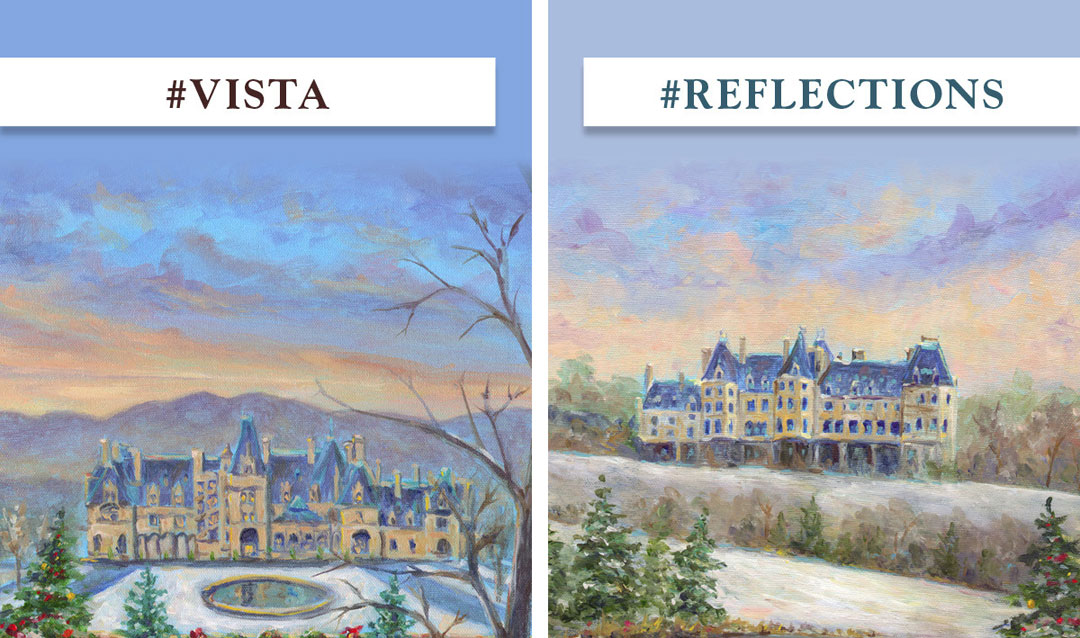
With the mood and theme decided, it was time to get Asheville artist Jeff Pittman involved in the project. He drew inspiration from the boards to create two representations of Biltmore on which Facebook followers would have the final vote.

Both #Vista and #Reflections were popular, but #Reflections—featuring the west façade of Biltmore House on the hill above the Lagoon—was the winner.

Jeff refined the initial #Reflections painting he created with more detail and a few more festive touches. “Everyone loved both of Jeff Pittman’s offerings” said Lisa, “but I think it may have been the peaceful pair of Canadian geese crossing the Lagoon that made #Reflections such a crowd favorite!”

Paintings showing different views of Biltmore House

Jeff Pittman’s two representations of a Biltmore Christmas scene

Creating original artwork

What happened next?

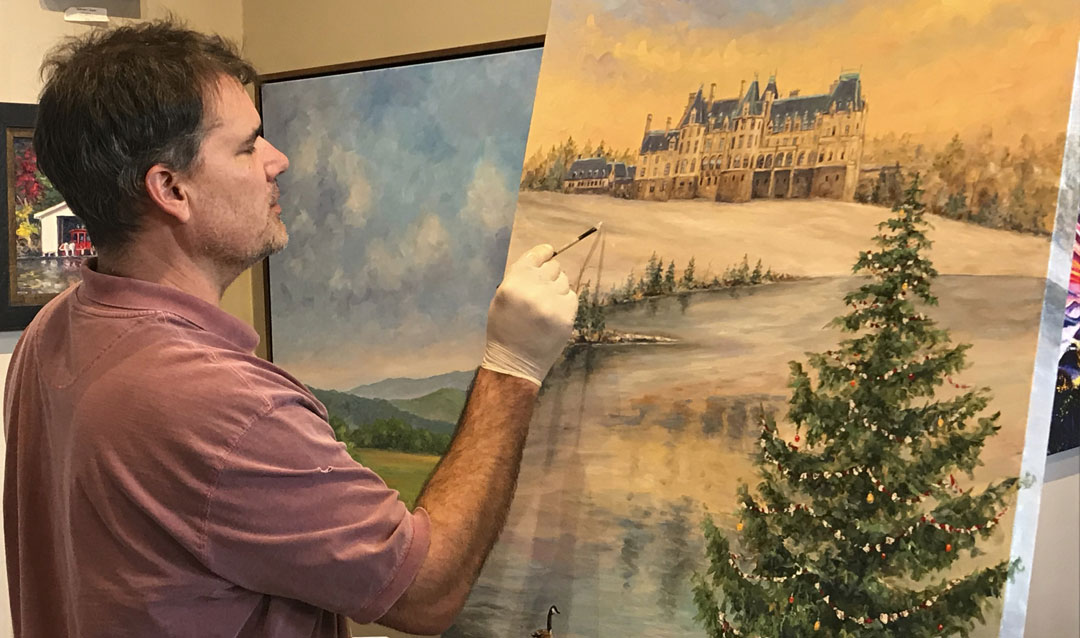
“Jeff went to work in his studio,” Lisa said, “and created the final artwork that would become the labels for our 2019 Christmas at Biltmore Red Wine and Christmas at Biltmore White Wine.”

Asheville artist Jeff Pitman painting the 2019 Biltmore Christmas Wine label

Jeff Pittman at work on the 2019 Christmas at Biltmore Wine label

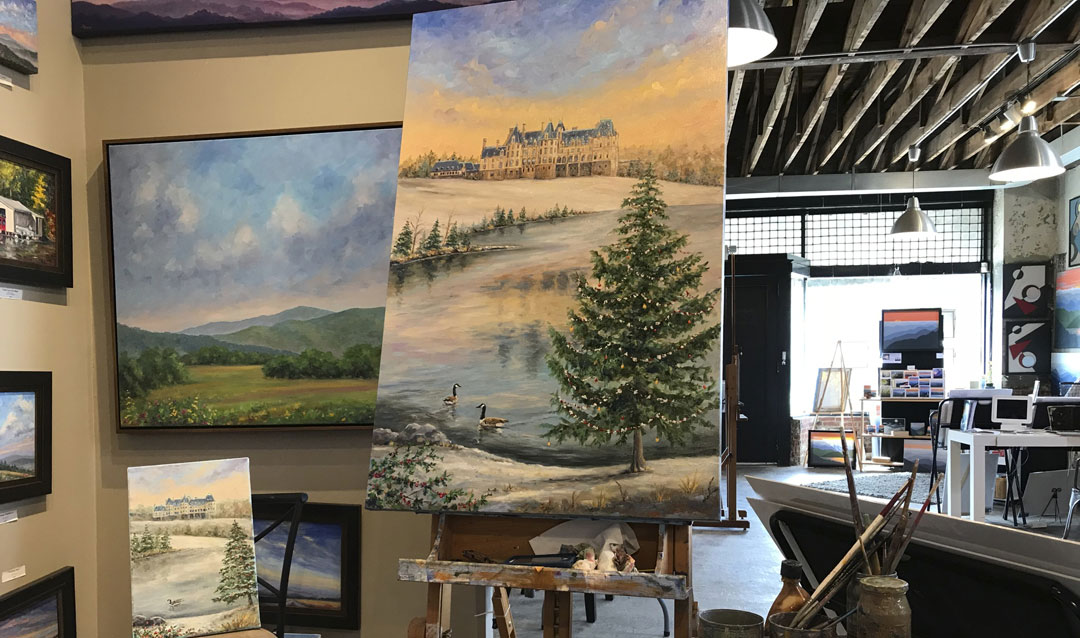
The finished label celebrates the natural splendor of this special season at Biltmore. 

“The voters made it clear what they wanted,” said Jill, “and that’s why crowdsourcing is such a great way to engage your audience—it gives your most loyal followers a voice in what you’re creating for them.”

Finished painting for the 2019 Biltmore Christmas wine label

Finished artwork in Jeff’s studio.

Pour on the cheer with Biltmore wines

Christmas tree with Biltmore wines and desserts

Choose any of our fine wines for holiday celebrations

Purchase any of our fine wines at estate shops or online

And the winner of the 2019 Biltmore Rose Trials is…

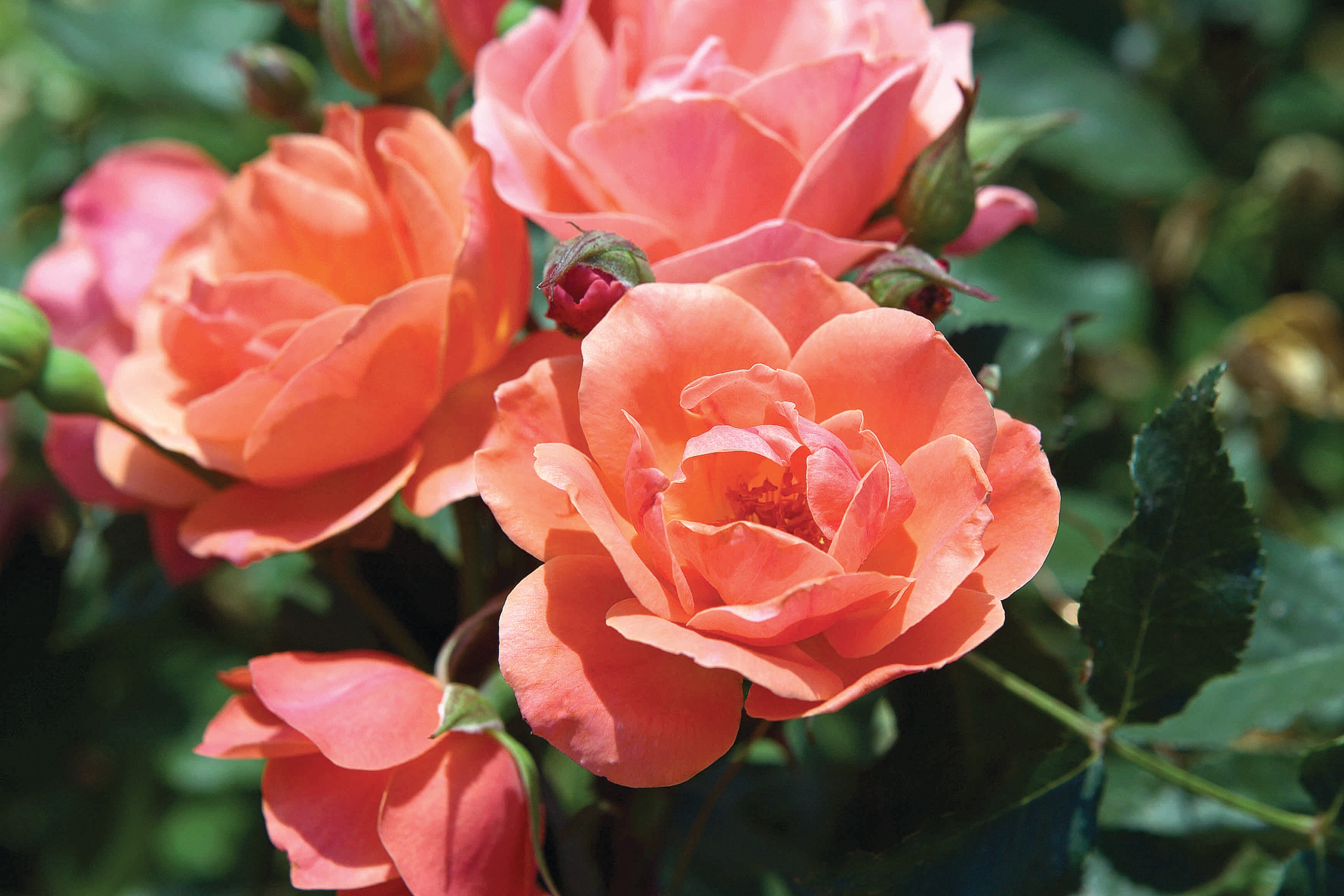
The Coral Knock Out Rose has captured the top prize at the recent finals of the 2019 Biltmore International Rose Trials.  Bred by William Radler and distributed by Star Roses & Plants, Coral Knock Out Rose (RADral) took home the George and Edith Vanderbilt Award for Most Outstanding Rose of the trials.

Coral Knock Out Rose by Star Roses & Plants

The winning rose was among a collection of roses planted for trials in 2017 in Biltmore’s award-winning and historic Rose Garden. Since 2011, Biltmore’s Rose Garden has been home to the trials in which more than 200 varieties from growers and breeders worldwide have been planted and cared for by Biltmore’s expert horticulturalists. A permanent jury of rose experts judged the plantings four times a year during the trial’s two years.

In addition to winning the Best in Show Award, Coral Knock Out won the Chauncey Beadle Award for Most Outstanding Shrub Rose. Additional winners this year were:

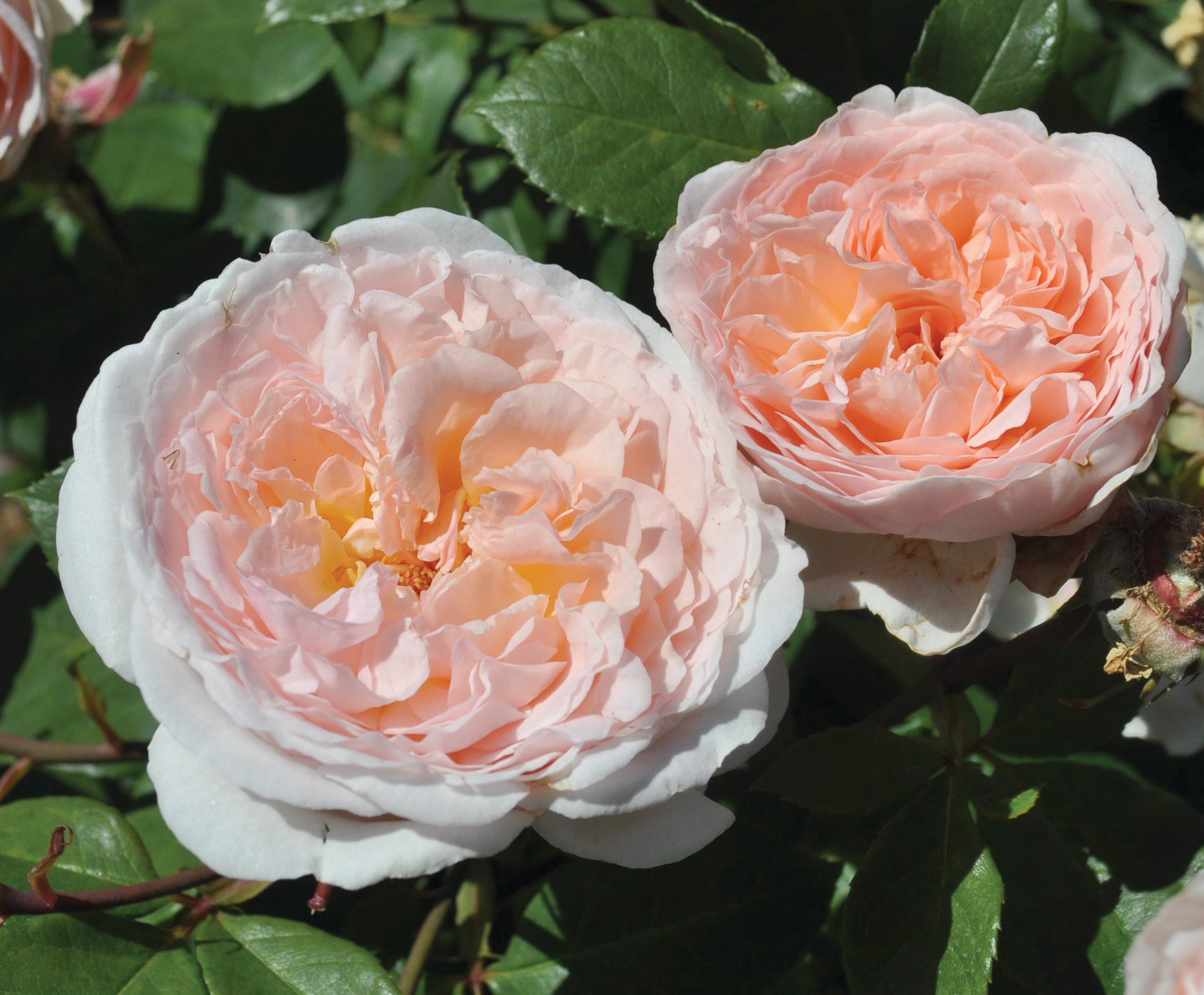
Sweet Hips (KAPswehp) – Winner of the William Cecil Award for Best General Impression, and the Lord Burleigh Award for Most Disease Resistant Rose, Sweet Hips is available from Weeks Roses.

Sweet Hips, available from Weeks Roses

Cupid’s Kisses (WEKtriscala) – Winner of the Gilded Age Award for Best Climbing Rose. Bred by Christian Bedard, it is available from Weeks Roses.

Cupid’s Kisses

Bliss Parfuma (KORmarzau) – Bred by Kordes Roses in Germany, Bliss Parfuma won the Edith Wharton Award for Best Floribunda. It is available from Star Roses & Plants.

Bliss Parfuma

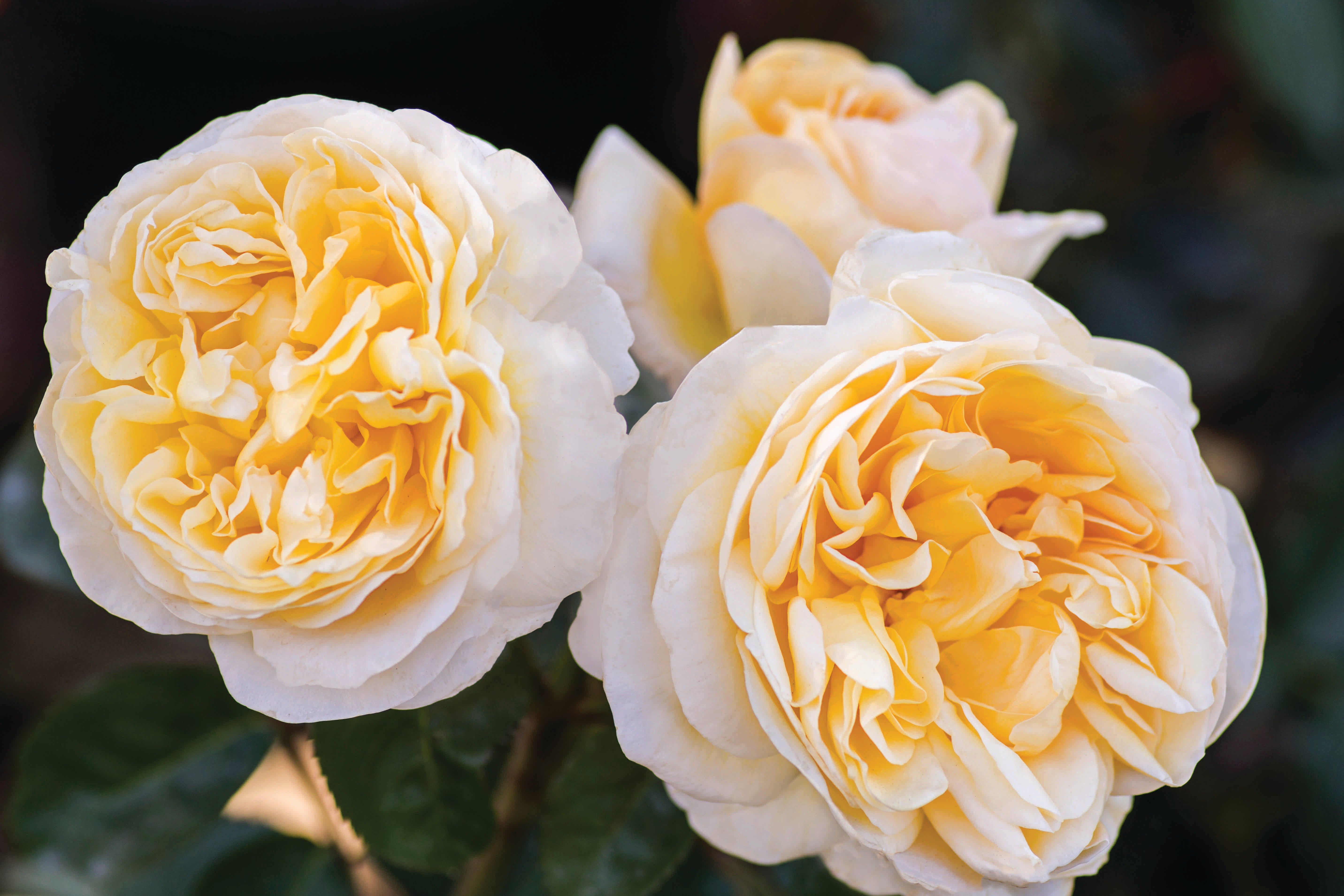
Moonlight Romantica (MEILkaquinz) – Winner of the Pauline Merrill Award for best Hybrid Tea went to Moonlight Romantica, bred by Meilland in France. It is available from Star Roses & Plants.

Moonlight Romantica

Trials of this type are open to rose breeders around the world – from professional to beginner. Competing roses are evaluated for overall health and rigor; fragrance; disease resistance; and ability to repeat bloom.

Congratulations to all of the winners!

Biltmore: The birthplace of American Forestry

When George Vanderbilt began planning his grand estate in Asheville, North Carolina, more than a century ago, he envisioned a self-sustaining home and stewardship of the land and its resources for years to come. Though it is hard to imagine now, portions of the lush forest surrounding Biltmore House were once overworked farmland and overcut woodland.

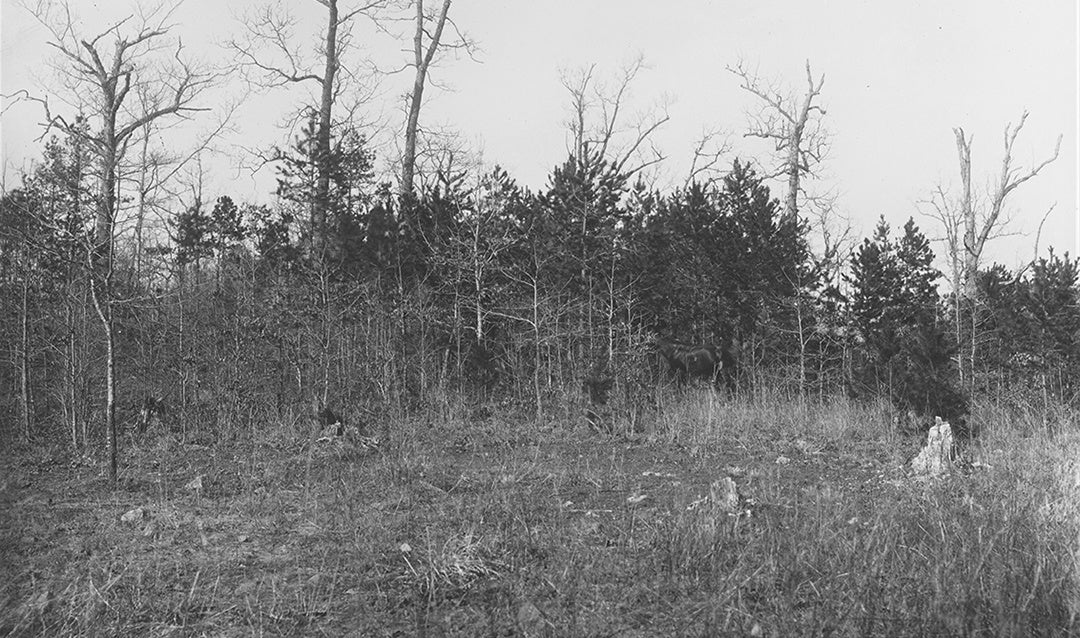
Poor woodland, circa 1892.
This archival image of Biltmore Estate circa 1892 showcases how poor the woodland conditions were when George Vanderbilt began purchasing estate property. © The Biltmore Company

Implementing scientific forestry management

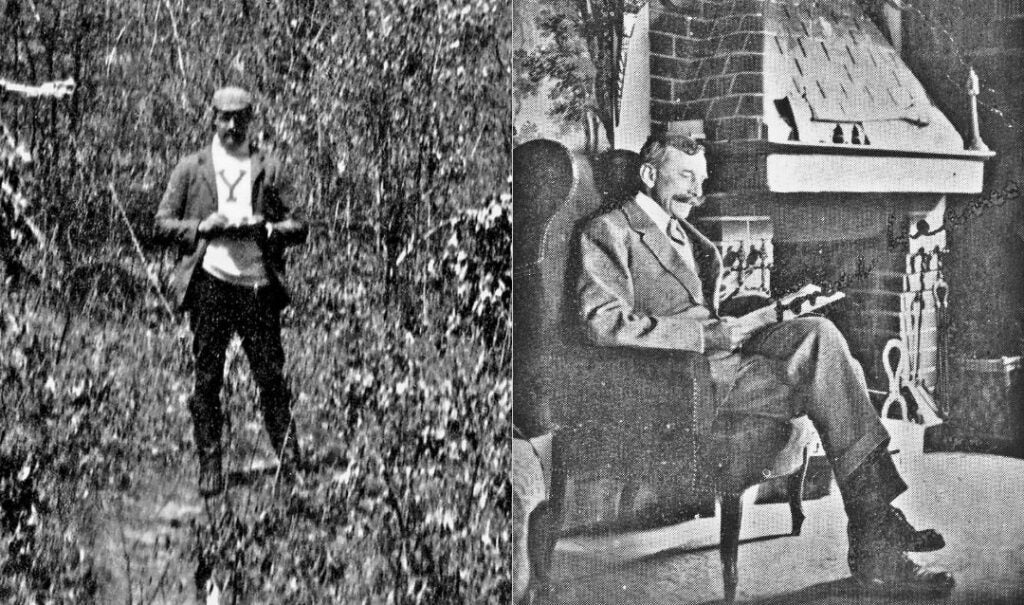
Following the recommendation of landscape architect Frederick Law Olmsted, Vanderbilt hired trained forester Gifford Pinchot—who later served as the first chief of the United States Forest Service and founder of the Society of American Foresters—to develop a forest management plan for his land holdings, which eventually totaled approximately 125,000 acres.

Pinchot’s scientific forestry plan (the management and conservation of forest lands) was the first of its kind in the United States and served as a national model. In turn, George Vanderbilt was the first American landowner to implement scientific forestry on a large scale.

Archival photographs from Biltmore's collection show Gifford Pinchot (left) and Dr. Carl Schenck (right).
Archival photographs from Biltmore’s collection show Gifford Pinchot (left) and Dr. Carl Schenck (right). © The Biltmore Company

Founding of Biltmore Forest School

In 1895, the same year as the opening of Biltmore House, German forester Dr. Carl A. Schenck succeeded Pinchot and expanded the forest management plan over the next 14 years, including the development of a comprehensive management plan for Vanderbilt’s vast Pisgah Forest holdings.

During his tenure at Biltmore, Dr. Schenck also founded the Biltmore Forest School—the first school of forestry in the United States—graduating more than 300 of the nation’s first professionally trained foresters.

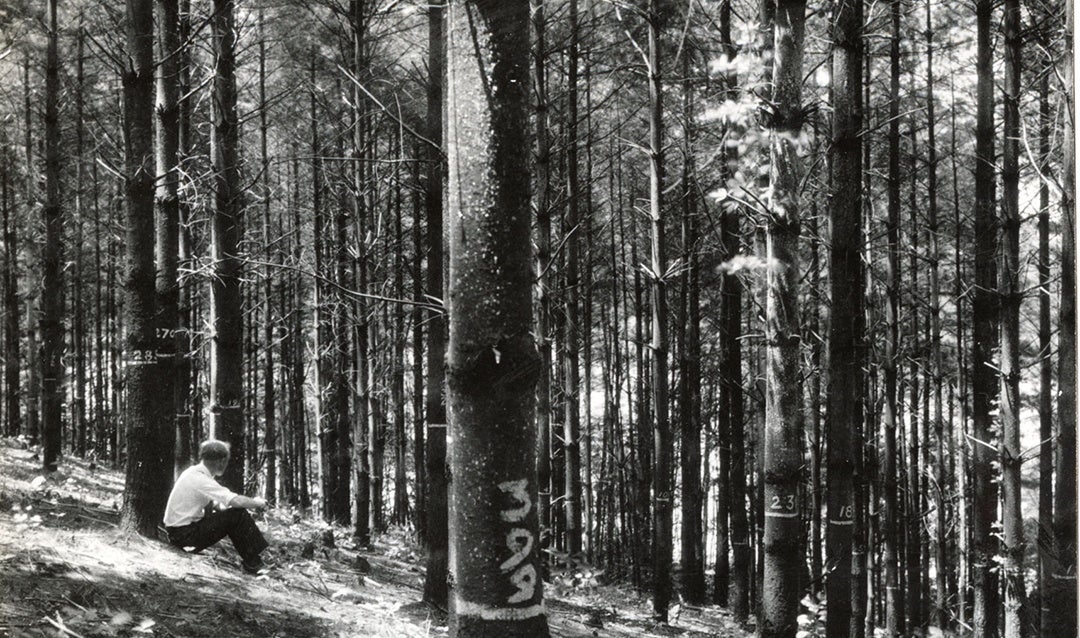
White Pine Plantings
White pine plantings in estate forests are labeled for scientific research, circa 1929. © The Biltmore Company

The birthplace of American Forestry

The contributions of Frederick Law Olmsted, Gifford Pinchot, and Dr. Carl Schenck transformed what was once a landscape of overused terrain into America’s first managed forest on a large scale, improving the health of the land while producing sustainable wood and other resources, and establishing the birthplace of American Forestry.

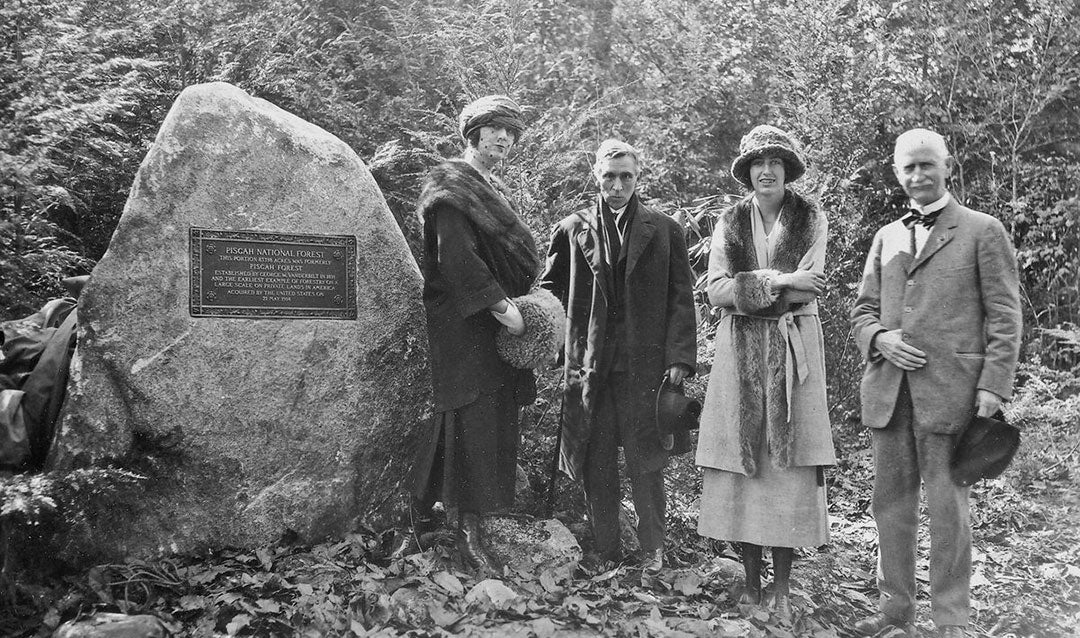
Edith Vanderbilt American Forestry
Edith Vanderbilt (far left) and Cornelia Vanderbilt (second from right) attending Pisgah National Forest dedication to the memory of George Vanderbilt, circa 1920. © The Biltmore Company

Creating Pisgah National Forest

In May 1914, Edith Vanderbilt completed her late husband’s wishes of selling an 86,000-acre tract of Biltmore to be managed by the U.S. government as public lands, creating one of the first national forests east of the Mississippi River: Pisgah National Forest.

In an excerpt from a letter declaring her family’s interest in preserving the property, Edith stated:

“Mr. Vanderbilt was the first of the large forest owners in America to adopt the practice of forestry. He has conserved Pisgah Forest from the time he bought it up to his death, a period of nearly twenty five years, under the firm conviction that every forest owner owes it to those who follow him, to hand down his forest property to them unimpaired by wasteful use.”

“I make this contribution towards the public ownership of Pisgah Forest with the earnest hope that in this way I may help to perpetuate my husband’s pioneer work in forest conservation, and to ensure the protection and use and enjoyment of Pisgah Forest as a National Forest, by the American people for all time….”

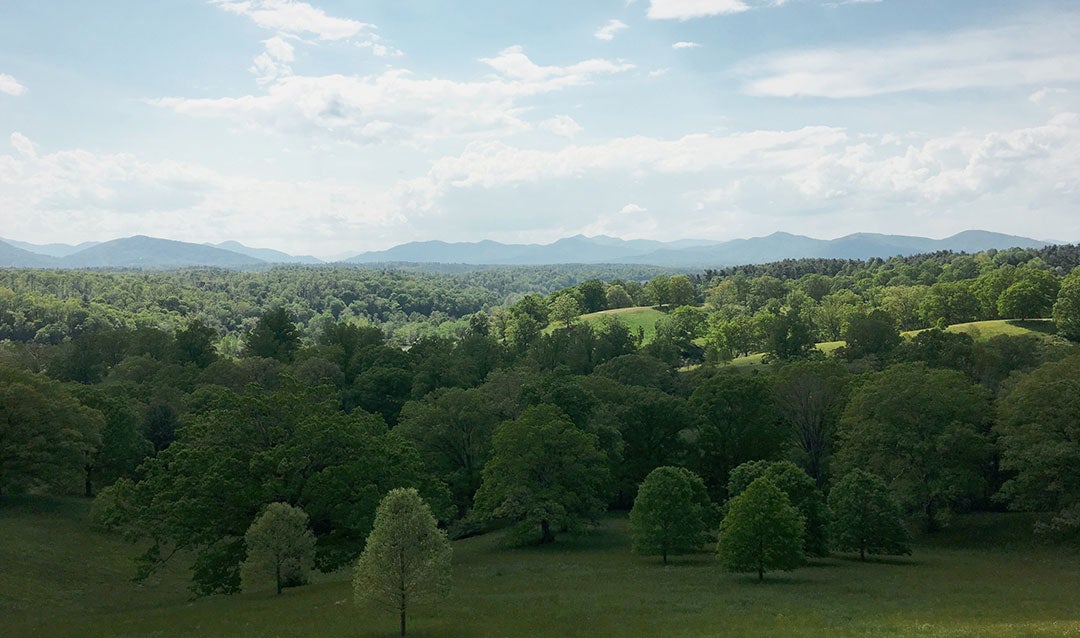
Biltmore Estate American Forestry Today
The lush, forested views from Biltmore House today highlight the lasting impact of scientific forestry on the estate. © The Biltmore Company

Biltmore’s forestry legacy continues

Today, Biltmore Estate and its resources continue to be managed by those original guiding principles to ensure future vitality, honoring George Vanderbilt’s legacy of conservation and environmental stewardship.

Nearby, the Cradle of Forestry is a 6,500-acre Historic Site within Pisgah National Forest, set aside to commemorate the beginning of forest conservation in America and the lasting contributions of George Vanderbilt, Frederick Law Olmsted, Gifford Pinchot, and Dr. Carl Schenck.

Decanting Downton

Downton Abbey: The Exhibition ended September 7, 2020. Please enjoy this archived content.

In honor of hosting Downton Abbey: The Exhibition through September 7, 2020, we thought it would be fascinating to look at Downton Abbey—and Biltmore’s own history—through the lens of a wine bottle.

A thoughtful collector

We know that George Vanderbilt was a thoughtful wine collector in his own right, and he also relied upon the services of professional wine purveyor Alexander Morten who was well-known for his excellent taste and recommendations.

To learn more about the process of procuring and preparing wines in the late 19th century, we turned to Jeff Plack, business development manager for Biltmore Wines and a wine aficionado in general, to “pour out” what he knows about the subject.

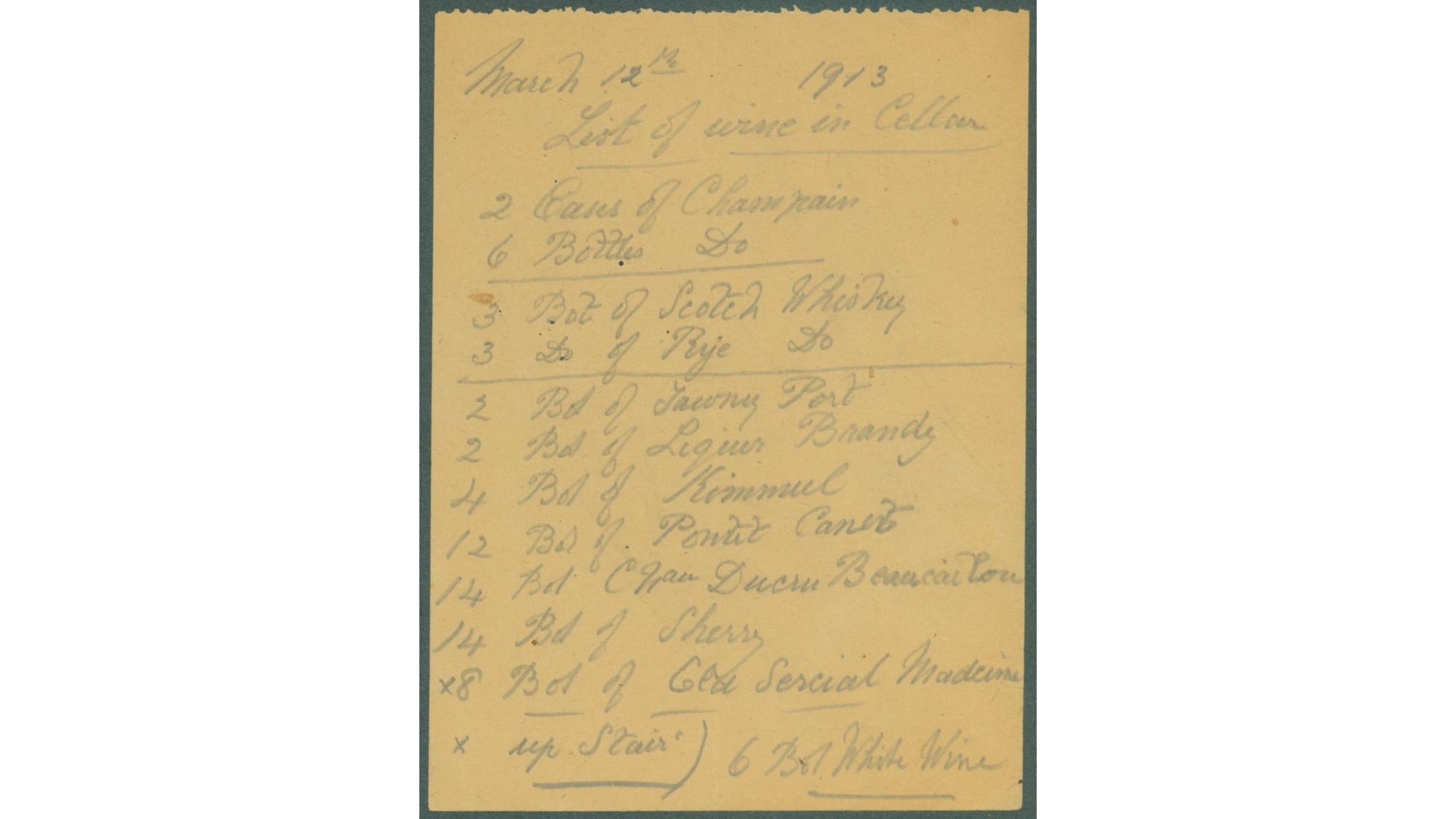
Archival list of winter wines in Biltmore's wine cellar
March 12, 1913: list of wines in Biltmore’s cellar

The business of wine

“I love the fact that in the new Downton Abbey feature film–and in many episodes of the six-season PBS Masterpiece seriesthe characters were sipping wine at some point,” said Jeff. “Wine consumption was a direct measure of one’s wealth in that era and it was not unusual for large estates to have thousands of bottles in their cellars. At that time, the wines were mostly French.”

Jeff explains that Mr. Carson, the Crawley family’s beloved butler in the series, would have been largely responsible for the wines served at Downton Abbey.

“The family might have taken an active interest in wine,” Jeff said, “but the butler was generally the person who oversaw the supply and prepared the wines for the dinner table.

Decanting wines

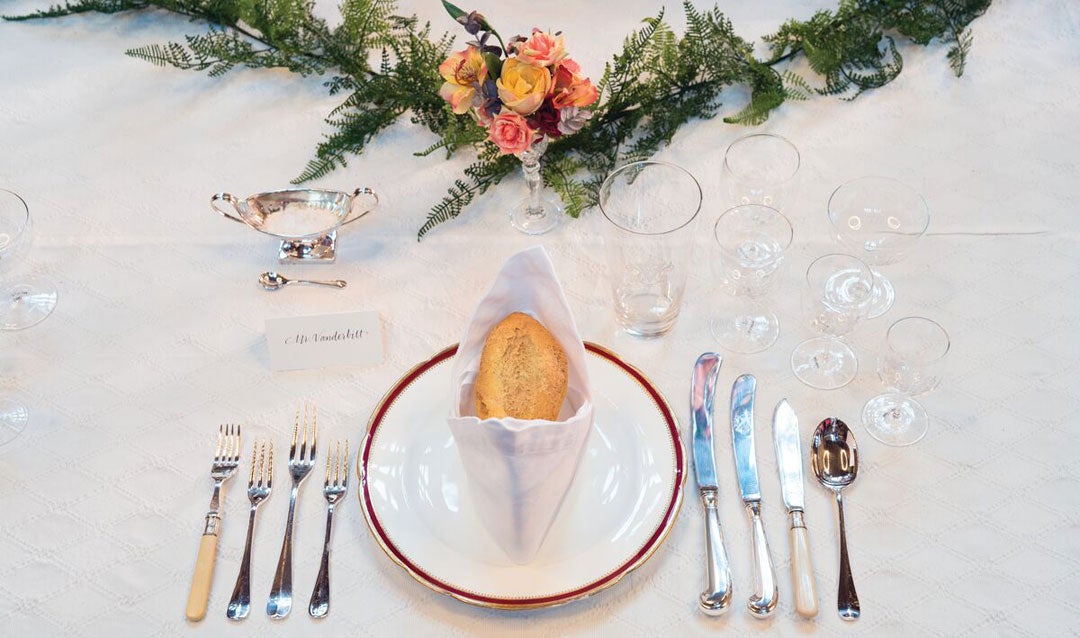
Formal place setting on the Banquet Hall Table in Biltmore House
This formal place setting on the Banquet Hall table features six pieces of crystal, including a champagne coupe and a cordial glass for port or sherry

In one episode of the series, Carson is seen decanting wine using an interesting contraption.

“It’s appropriately called a decanting machine or cradle,” said Jeff. “The cradle holds the wine as someone turns a crank which slowly pours the wine out of the bottle.”

In the scene, Carson is using a lighted candle behind the bottle to help him see any sediment in the wine. This technique, along with a piece of muslin over the decanter, would help filter out impurities.

(Note: the featured image for this blog shows the decanting cradle in Mr. Carson’s pantry as part of Downton Abbey: The Exhibition currently hosted at Biltmore.)

The circle of wine

For wealthy households like the one depicted in Downton Abbey, the variety of wines consumed at dinner made a circle of sorts.

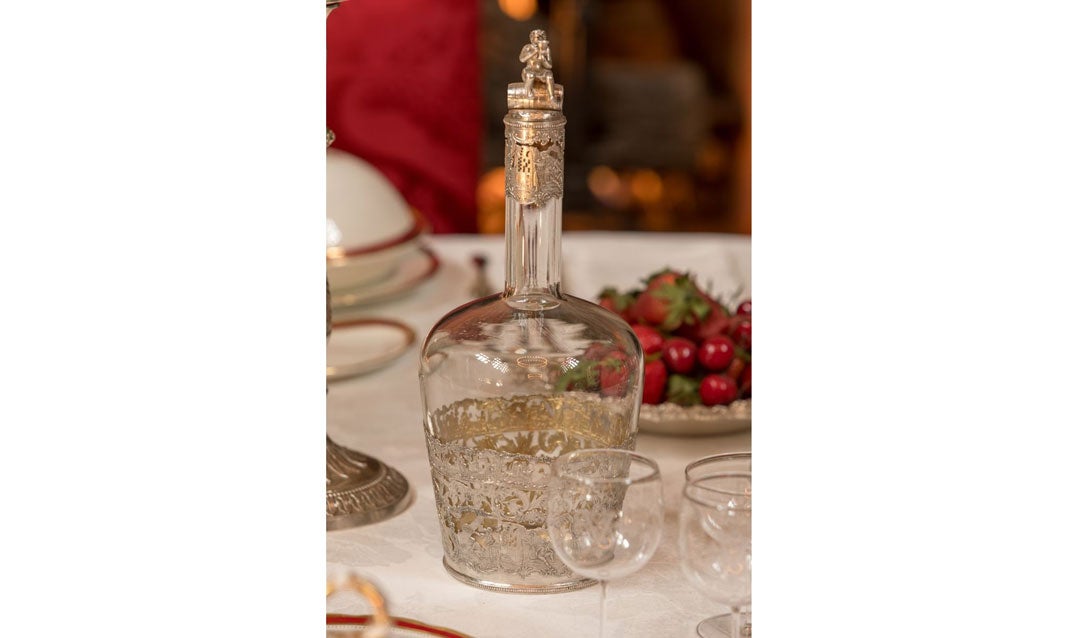
Glass and silver wine decanter
A delicate silver and glass wine decanter from the Biltmore collection

“Evenings would usually begin with port or sherry and possibly a glass of champagne as an apéritif,” said Jeff. “Each subsequent course of the dinner would be paired with a different wine.”

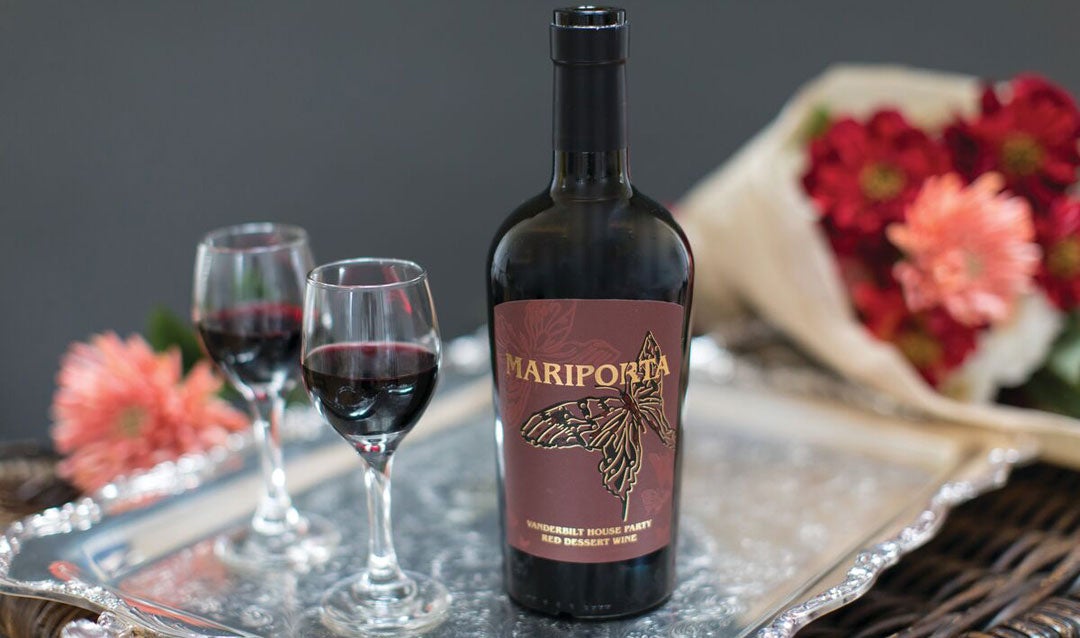
Mariporta dessert wine on a tray with glasses
Our Mariporta is a port-style dessert wine reminiscent of the ones the Vanderbilts might have enjoyed

According to Jeff, wine pairings were different than the ones we make today.

A common practice of the era was to serve a white Burgundy (generally a Chardonnay) with the first course and then a red Bordeaux with the main meal. 

“It was less about the science of which wines ‘go with’ or complement which foods, and more about wines that they preferred,” Jeff said. “For dessert, they would move back to something like port, similar to our Mariporta Red Dessert Wine, and then end with sparkling wine again; a happy circle of wine life.”

Celebrate with Biltmore sparkling wines
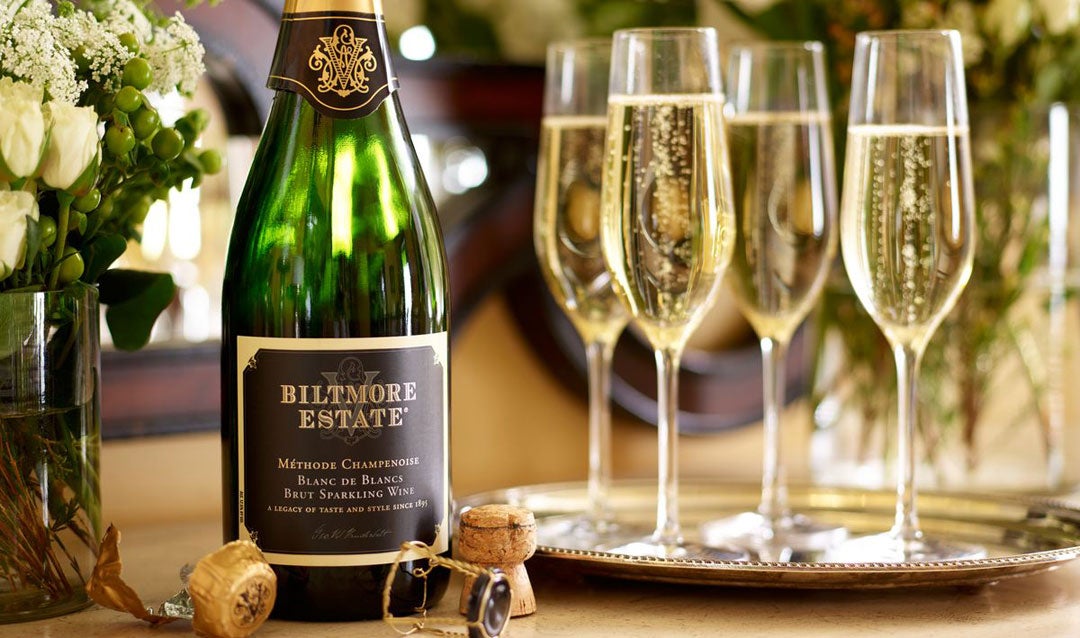
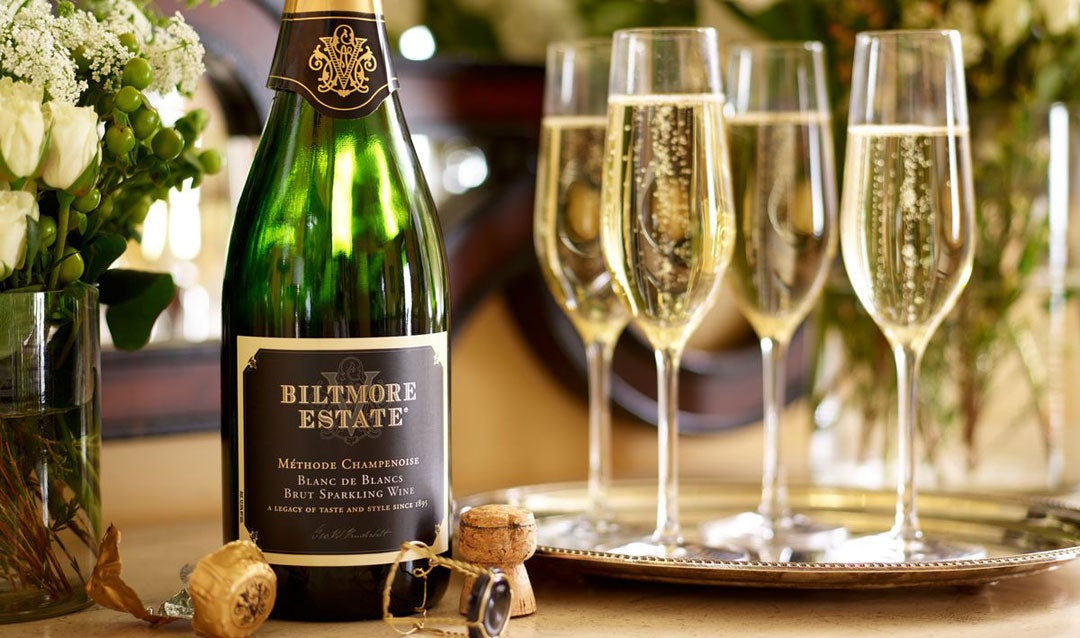
Our handcrafted Biltmore bubbles make any occasion more special

With modern winemaking techniques, we no longer need to use decanting machines and filters, and though we enjoy pairing wines based on qualities such as acidity and tannins, we also love complementing favorite flavors with wines we enjoy.

Savor Biltmore Wines

Join us at the Winery for complimentary tastings of our award-winning wines. You can purchase Biltmore wines at most estate shops or online. In addition, experience Downton Abbey: The Exhibition hosted in two locations on estate grounds, November 8, 2019–April 7, 2020.

Comparing Biltmore House to Downton Abbey

Downton Abbey: The Exhibition ended September 7, 2020. Please enjoy this archived content.

Did you know everyday life in Biltmore House bore striking resemblance to fictional life at Downton Abbey? In honor of Biltmore playing host to Downton Abbey: The Exhibition, let’s take a look at some of the similarities—and differences—between these two grand homes.

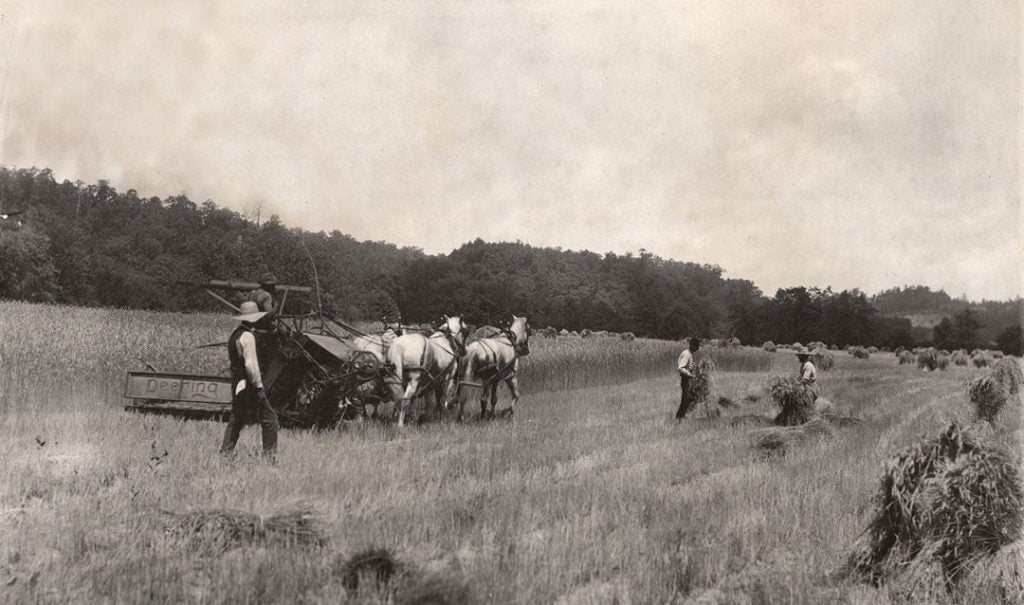
Archival image of estate workers during harvest season at Biltmore, ca. 1900

A working estate

The greatest overarching parallel between Downton Abbey and Biltmore is the idea of both as working estates overseen by one man and his family. While Downton Abbey is set in England, George Vanderbilt’s vision for Biltmore was heavily influenced by the model of similar English estates. There were numerous tenant families working the land, and the Vanderbilts grew to know each of these families closely over the years.

Servants' Hall in Biltmore House
The Servants’ Hall in Biltmore House, where staff could relax and socialize

Household staff

Within the houses, the standards of domestic service were much the same between the Crawleys and the Vanderbilts. While there were some differences in the ways American and English households were managed, the housekeeper played a major role. At Biltmore, this role was primarily filled by Mrs. King; for Downton Abbey, it’s Mrs. Hughes—both known for their massive house key rings and calm demeanors.

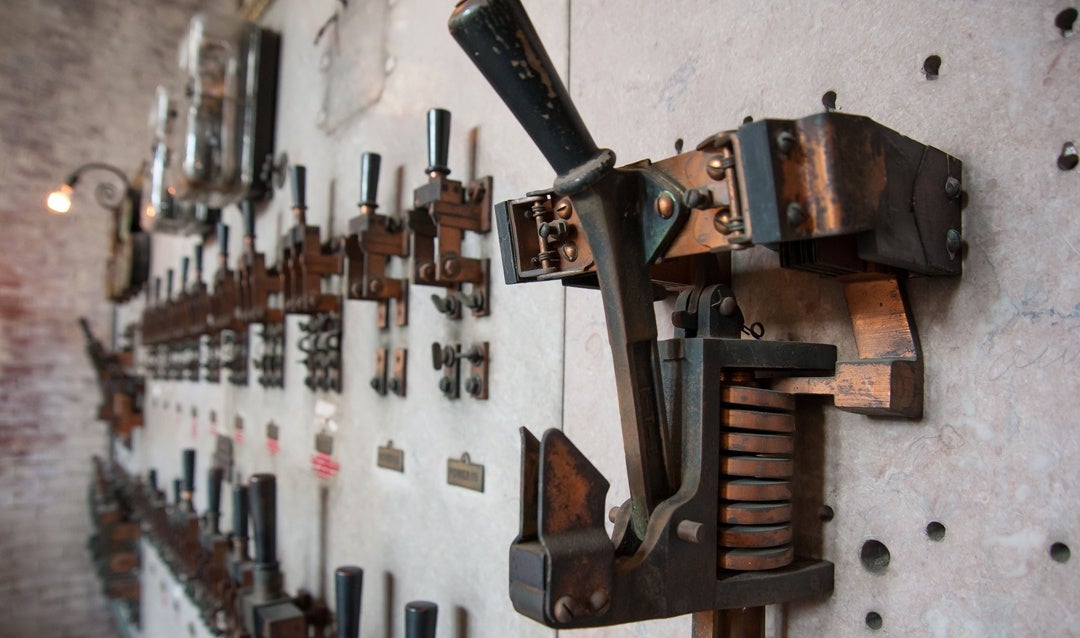
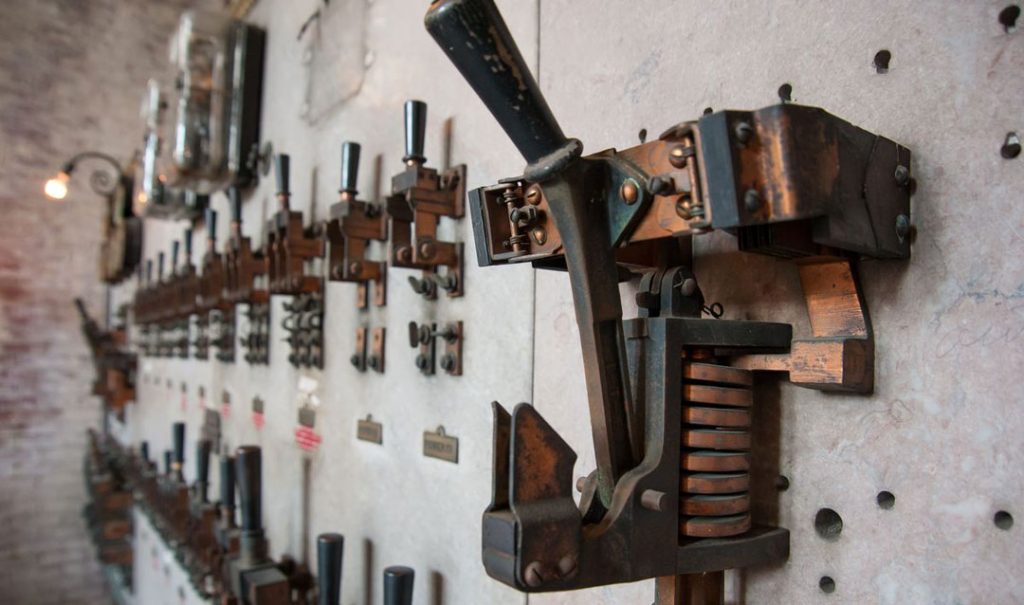
Detail of electrical switchboard in the sub-basement of Biltmore House

Technological advancements

Though numerous characters within the Downton Abbey household, both above stairs and below, expressed concerns about advancements in technology, they were widely embraced at Biltmore. Even in 1895, Biltmore House was constructed with many of these in mind: telephones, elevators, forced heating, mechanical refrigeration, an electric servant call bell system, electric lighting, and more. 

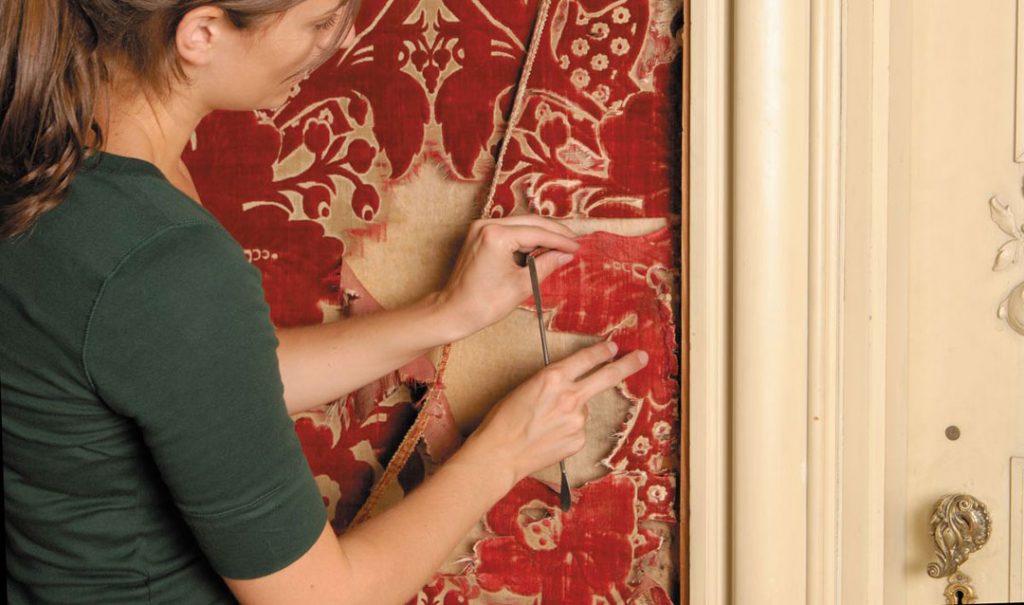
Restoring the wallcovering of the Louis XV Room in Biltmore House

Preserving the home

One of the primary themes in Downton Abbey is the importance Lord Grantham and his family place on preserving and maintaining their home for succeeding generations. This has also been a prime concern at Biltmore for George Vanderbilt’s descendants. Today, the estate is owned and overseen by the fourth and fifth generations of the family.

Join us November 8, 2019 through April 7, 2020 to experience Downton Abbey like never before—amid George Vanderbilt’s magnificent estate—with Downton Abbey: The Exhibition at Biltmore.

Featured image: Biltmore House, ca. 1910

Discover Biltmore Wines from grape to glass

How do we select the finest fruit for Biltmore wines? Here’s an overview of the process, from grape to glass!

Sourcing fine North Carolina vintages

In his book Lady On The Hill, George Vanderbilt‘s grandson William A.V. Cecil noted that “Asheville was about the same latitude as Gibraltar in the Mediterranean, and with an altitude between 2,100 and 2,500 feet, the fields of the estate would enjoy warm days and cool nights in the summer.”

While the climate of Western North Carolina is not nearly as predictable as that of the Mediterranean or other major grape-growing regions, when conditions are right, the fruit produced in our estate vineyards is exceptional and earns the Biltmore® Reserve label for our finest North Carolina vintages.

To ensure we can meet the growing demand for Biltmore wines, however, we also look to our local vineyard partners in Polk County—a lower-elevation region just south of Asheville that experiences slightly warmer temperatures with less danger of late season frost damage.

Glass of Wine at Vineyard
Enjoy the fruits of our labor, by the glass, on the Farm to Table Tour.

Beyond Biltmore

We also look to our west coast partners for the quality and consistency of grapes needed to handcraft our award-winning wines. Several times each year, Biltmore winemaker Sharon Fenchak schedules extended visits to California to meet with our growing partners and select outstanding vintages for Biltmore wines. 

“Some of the finest American wine grapes come from the vineyards of coastal California,” Sharon said. “The terroir—the different combinations of weather and soil in each hill and valley—translate into the distinctive flavors and qualities that characterize the wines of that region.”

Grape harvesting
Harvest preparation is one of the busiest times of the year for vineyards and the wineries.

California’s Northern Coast

This large wine grape-growing region is located north of San Francisco, with a maritime climate that is affected by cool fogs and breezes from the Pacific Ocean. Some of California’s best-known American Viticultural Areas (AVAs), including Alexander Valley, Dry Creek Valley, Lake County, Napa, and Russian River Valley, are located here. 

“This AVA is an important one for our Vanderbilt Reserve® series,” said Sharon. “We select grapes from outstanding partner vineyards for some of our most distinctive wines, including our Vanderbilt Reserve Merlot Dry Creek Valley, Vanderbilt Reserve Pinot Noir Sonoma County, Antler Hill Cabernet Sauvignon Napa Valley, and The Hunt Red Blend Sonoma County.”

Biltmore Wine Selection of Reds
Our Biltmore® Reserve label honors fine vintages handcrafted with grapes from the estate’s vineyard in Asheville, NC. The collection is distinguished by blue foil capsules and a label showcasing elements of the Vanderbilt family’s table linens and place settings.

California’s Central Coast

Stretching from San Francisco Bay south to Santa Barbara County, this region offers a warmer climate that still benefits from the cooling influences of the Pacific Ocean. We partner with vineyards from such prestigious AVAs as Arroyo Seco, Cienega Valley, Monterey, and Paso Robles.

“Some of the more unusual varietals we choose from partner vineyards here include Barbera, Marsanne, Mourvedre, Rousanne, and Tempranillo,” Sharon noted.

California Vineyard Stock Photo
The central coast wine region is one of California’s most fascinating wine regions and is also home to some of the most prestigious wineries in the country.

Washington

A wide range of grapes are now being grown in the fertile valleys of Washington, making the state an important producer of outstanding wine varietals. Vineyards are found primarily in the eastern half of the state that benefits from a dryer shrub-steppe ecosystem and the rain shadow of the Cascade Range. The state experiences long hours of daylight—approximately two more hours per day during the growing season than California—and milder, more consistent temperatures. 
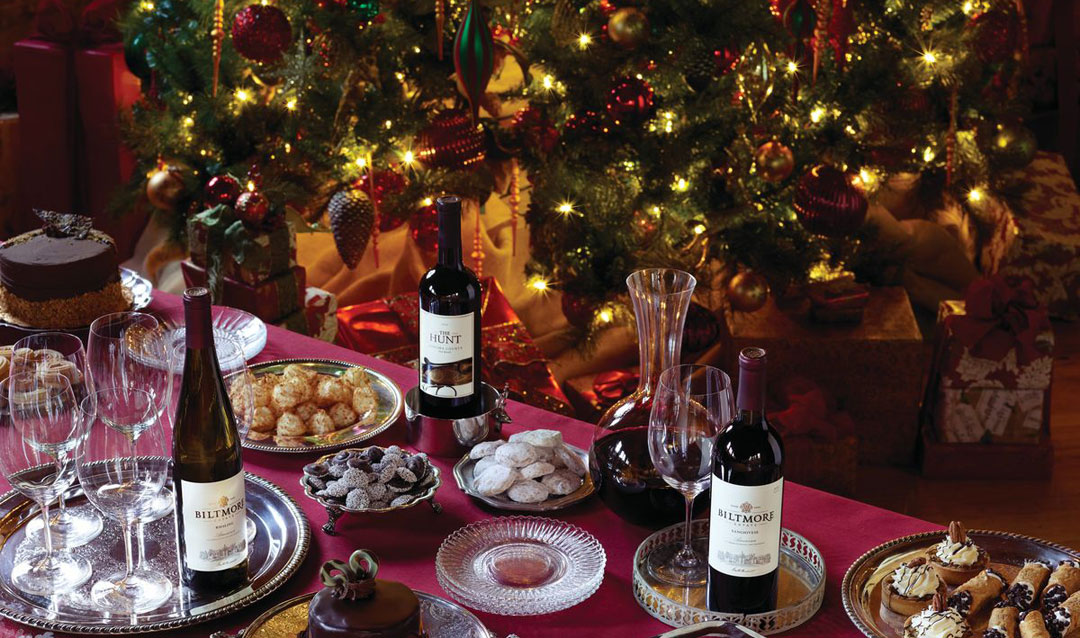
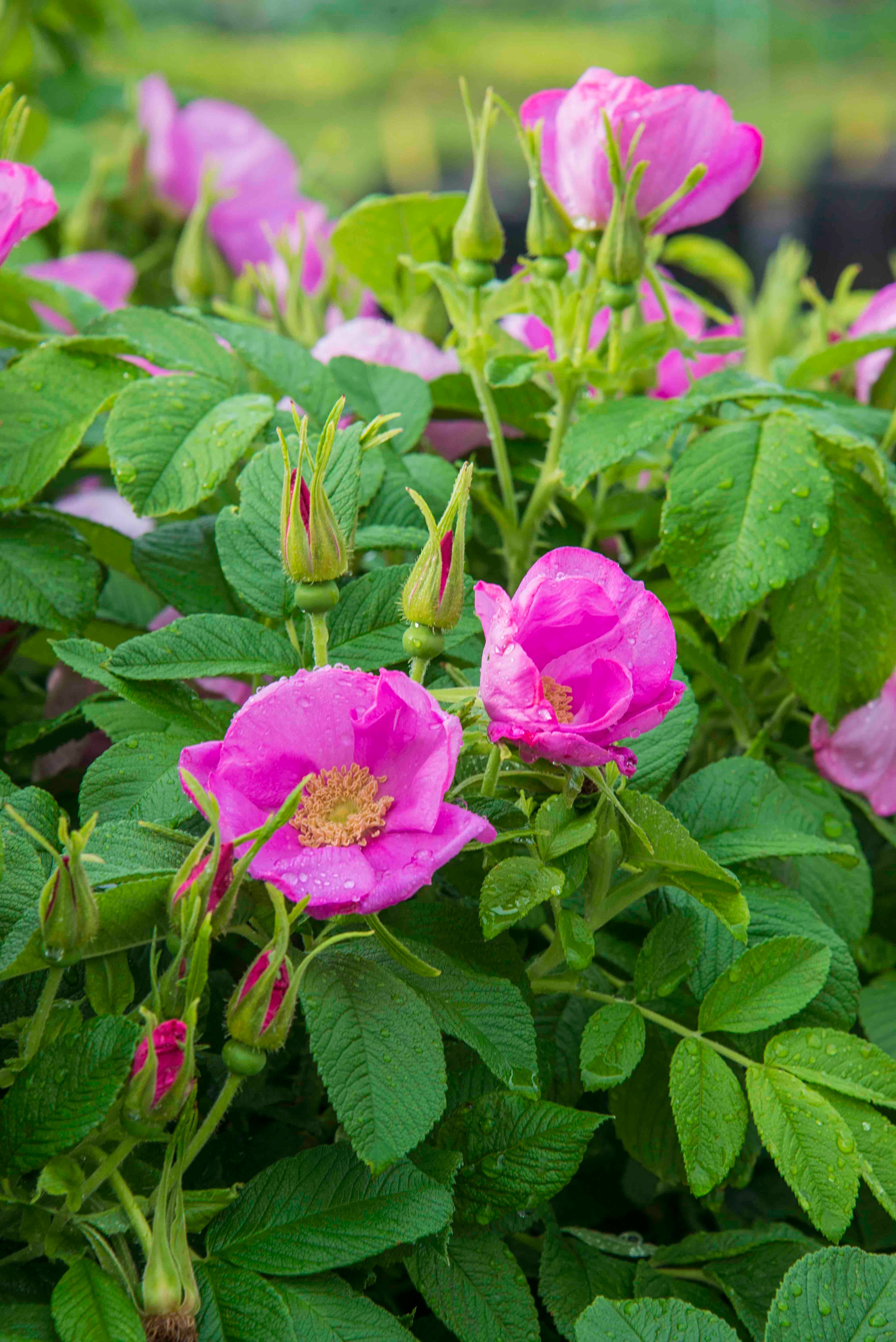
“We are excited to be working with some great partner vineyards in Washington,” said Sharon. “We’re selecting a lot of excellent grapes for our American Series and Limited Release Series wines.”

Washington Vineyard Stock Photo
With 1,050+ wineries, 400+ grape growers, and 60,000+ acres of wine grapes, Washington State is the 2nd largest wine producing state in the U.S.

Handcrafting our award-winning wines

While Sharon and her team handcraft the majority of our wines from start to finish at Biltmore’s Winery in Asheville, North Carolina, our Vanderbilt Reserve® wines and Antler Hill wines are created in the particular region where they were grown. This painstaking process is overseen—from selecting the vintage and expressing the varietal character to aging the wine—by Sharon during her visits to California. 

“All our wines represent the Vanderbilt family’s legacy of gracious hospitality on which Biltmore was founded,” Sharon said, “and as Biltmore’s winemaker, I am committed to handcrafting our wines with the philosophy of keeping each one true to varietal character and consistent from vintage to vintage. Whether I’m at work in North Carolina or California or Washington, I’m focused on creating wines that reflect the quality of this family-owned estate and Winery.”

White Wines
Beautifully balanced Dry Riesling, crisp Sauvignon Blanc, refreshing Pinot Grigio, and smooth, oaky Chardonnay are just a few of the white wines available in Biltmore’s Wine Portfolio.
Discover our exceptional wines for yourself

Visit Biltmore’s Winery, purchase online, or find them close to home with our Retailer Locator.

Painting with Plants in Biltmore’s Conservatory

From brilliant bromeliads to elegant orchids, painting with plants in Biltmore’s Conservatory is how Todd Roy, Conservatory Horticulturist, describes his work.

Bromeliads and orchids in Biltmore's Conservatory
A breathtaking display of bromeliads and orchids in the Conservatory

Caring for Biltmore’s Plants

Todd Roy checks plantings behind the Conservatory

Caring for this glorious garden under glass—filled with tropical treasures from around the world—is no easy task, but Todd enjoys his work in such exotic surroundings.

“It takes a lot of effort to keep the Conservatory looking so lush and beautiful,” said Todd. “All these plant species have different moisture needs, so we spend the first several hours of each day watering everything by hand—it helps us keep a close eye on the thousands of plants in our care.” 

Tropical Plant Treasures

Pink anthurium in Biltmore's Conservatory
Pink anthurium thrive in the Conservatory

Todd has been part of Biltmore’s Conservatory staff for the more than four years. Prior to joining the estate, he worked as a horticulturalist for a historic estate in southwest Florida, which gave him an appreciation for tropical plantings.

“I focus on adding to the diversity of what we offer in the Conservatory,” Todd said. “We have some palms that are very old, and some Cycads that date back to the time of the Vanderbilts, but we’re always adding new things for guests to discover and enjoy.”

Painting with Plants

Painting with plants and colorful foliage in the Conservatory
Todd incorporates colorful foliage into his designs

Along with his horticultural skills, Todd has a background in fine art, including painting and photography. His work in the Conservatory gives him a living canvas for expressing his creativity.

Detailed drawing of Conservatory plantings
A hand-drawn sketch shows details of a planting in the Conservatory

“From flowers to foliage, there are so many colors and textures to work with that it really is like ‘painting with plants’. My designs often begin with the color and pattern of foliage and how I can best create multi-level displays that intrigue our guests and engage their imagination,” said Todd.

A special project in 2019

Biltmore Gardens Railway includes this replica of the Bass Pond spillway in the Conservatory
In 2019, Biltmore Gardens Railway included this replica of the Bass Pond spillway in the Conservatory

In addition to his regular responsibilities, Todd was instrumental in preparing the Conservatory to host Biltmore Gardens Railway in 2019.

The charming botanical model train display featured replicas of estate landmarks, handcrafted in meticulous detail from such all-natural elements as leaves, bark, and twigs.

“Once the structures and the trains were installed, we had to create displays around them that both complemented the exhibition and showcased the Conservatory itself as one of Biltmore’s historic gardens,” Todd said. “It was an enormous project, but our guests really enjoyed it!”

Biltmore Gardens Railway returns in 2020

Biltlmore Gardens Railway display
Biltmore Gardens Railway in Antler Hill Village.

Biltmore Gardens Railway returns to Biltmore this summer; you can enjoy it in Antler Hill Village from July 7 through September 7, 2020.

This year, the botanical model train display will showcase iconic American railway stations, some of which have ties to the Vanderbilt family.

Featured blog image: Todd Roy displays a brilliantly-colored bromeliad in Biltmore’s Conservatory

Biltmore Gardens Railway: A Structural Comparison

Twice a year, the Conservatory is transformed into a wonderland of creativity. Discover Biltmore Gardens Railway, featuring miniature estate landmark replicas made of all-natural materials gathered from Biltmore’s grounds.

Biltmore Gardens Railway brings an elaborate G-scale railway with locomotives, rail cars, and handmade buildings to life by connecting them to Biltmore and its founder George Vanderbilt. Working from original plans, drawings, and photographs of the estate, a team from Applied Imagination constructs the replicas in a stunningly accurate reimagining of Biltmore.

Let’s take an up-close look at the attention to detail paid to the recreations of these historic structures.

Biltmore Gardens Railway recreation of Lodge Gate
Image 1: Photograph of the Lodge Gate from George Vanderbilt’s collection, ca. 1900
Image 2: Applied Imagination’s recreation, on display in the Conservatory’s Exhibition Room

About the Lodge Gate Recreation

  • Materials collected from the estate: horse chestnut, magnolia leaves, pine bark, hickory nuts, lotus pods, contorted Filbert, bamboo, winged bean, pine cone scales, and acorn caps
  • Dimensions: 28”x22”x15”
  • Time to complete: 275+ hours
Biltmore Gardens Railway recreation of Conservatory
Image 1: Photograph of the Conservatory from George Vanderbilt’s collection, ca. 1910
Image 2: Applied Imagination’s recreation, on display in the Conservatory’s Orchid Room

About the Conservatory Recreation

  • Materials collected from the estate: horse chestnut, pine bark, anise, honeysuckle, ash, winged euonymus, contorted Filbert, and oak bark
  • Dimensions: 21”x52”x14”
  • Time to complete: 350+ hours
Biltmore Gardens Railway recreation of Biltmore House
Image 1: Photograph of Biltmore House from George Vanderbilt’s collection, ca. 1910
Image 2: Applied Imagination’s recreation, on display in the Conservatory’s Palm House

About the Biltmore House Recreation

  • Materials collected from the estate: baby acorns, acorn caps, star anise, pine cone, contorted Filbert, grapevine, honeysuckle, eucalyptus leaves, bamboo, ash bark, oak bark, and elm bark
  • Dimensions: 66”x122”x55”
  • Time to complete: 1700+ hours

Visit Biltmore Gardens Railway

The enchantment of Biltmore Gardens Railway is a semi-annual event at Biltmore. Check our event listing for upcoming dates and plan your visit today!

Summer Entertaining in 3 Easy Steps: Chill, Grill, and Thrill!

Summer entertaining is as easy as chill, grill, and thrill!

Summer entertaining with the Vanderbilts

Ladies enjoying a warm weather picnic with wine at Biltmore House
Enjoy warm weather sipping with your favorite aromatic Biltmore wines by the glass or bottle!

At Biltmore, summer entertaining was a favorite pastime for the Vanderbilts and their guests.

From birthday parties in the Rose Garden to picnics on the grassy slopes of Mt. Pisgah, warm weather offered the perfect excuse to leave formal dining behind and enjoy a gathering in the great outdoors.

Chill, Grill, and Thrill

Inspired by their example, here are three easy “chill, grill, and thrill” steps to simplify your summer entertaining whether you’re in the kitchen, on the porch, by the pool—or wherever your plans take you.

Summer entertaining in 3 easy steps: chill, grill, and chill
Chill out with a hearty red wine like our Biltmore Estate Limited Release Malbec and round out the easy meal with a green salad

1) CHILL

First, let’s start with an easy recipe for Grilled Skirt Steak with Tomatillo Salsa created by our Biltmore chefs to take advantage of summer’s bumper crop of tomatillos and heirloom tomatoes.

Grilled Skirt Steak with Tomatillo Salsa

Ingredients
2 pounds trimmed skirt steak (can substitute 4 ribeye steaks)

10 fresh tomatillos, husks removed and tomatillos quartered
8 cloves fresh garlic
3 green onions, roughly chopped
1 large shallot, peeled and roughly chopped
1 bunch fresh cilantro with stems and leaves
1 bunch parsley with stems and leaves
1 tablespoon fresh thyme leaves
3 tablespoons salt
1 tablespoon ground black pepper
1 teaspoon crushed red pepper (optional; use to taste)
1/4 cup extra virgin olive oil

Optional for serving: heirloom tomatoes, quartered; olive oil; fresh lemon juice, salt and pepper to taste

Method
The salsa doubles as a marinade for the steak, so prepare it first by combining tomatillos, garlic, onions, shallot, herbs, seasonings, and olive oil in a blender and blending until smooth. Reserve 1/2 cup of the tomatillo salsa for garnish.

Place steak and marinade in a large zip-top bag and allow to marinate for 1–3 hours in the refrigerator.

Tips for chilling

2) GRILL

Grilled steak and heirloom tomatoes
Grilled Skirt Steak with Tomatillo Salsa

Grill marinated steaks on medium-high heat for 3–5 minutes on each side for medium-rare. When done to your liking, remove steak from the grill and put it on a clean cutting board or platter to rest while you finish the rest of your preparations.

Tips for grilling

  • While the grill heats, prepare a green salad to accompany the meal.
  • After the steak is done, split and toast a couple of baguettes on the still-hot grill to serve with the salad (and soak up those heirloom tomato juices).

3) THRILL

Summer sipping outdoors with Biltmore wines
Enjoy summer sipping and entertaining outdoors with your favorite Biltmore wines

Slice the steak and top with reserved salsa.

Dress quartered heirloom tomatoes with olive oil, lemon juice, and salt and pepper to taste. Arrange around the steak.

Tips for thrilling

  • Bring the entire entrée to the table on the cutting board—no need to transfer to another dish.
  • Use a chiller filled with a mix of ice and water to keep your wine cool, especially if you’re eating outdoors.

Gather your guests

Friends toasting with red wine
Cheers to the chill, grill, and thrill of summer entertaining

Enjoy the chill, grill, and thrill of summer entertaining—plus delicious dining—done the easy way!

Discover more delicious Biltmore recipes and find our award-winning wines online.